
A new heating and cooling system should do more than replace old equipment. It should be selected according to the size of the home, the existing ductwork, the comfort needs of the household, and the way the property is used throughout the year. BeeCool 24/7 HVAC provides residential HVAC installation services backed by more than 20 years of hands-on industry knowledge. We help homeowners understand their options, evaluate the existing setup, and choose equipment suited to the property instead of recommending the same system for every home. From the initial review through final testing, each HVAC installation is approached with attention to long-term performance, reliable operation, and everyday comfort.
Heating and cooling equipment does not always fail without warning. In many homes, the system gradually becomes less reliable, requires more frequent repairs, or struggles to maintain consistent temperatures. A new HVAC system installation may be worth considering when continued repairs no longer provide dependable results or when the existing equipment cannot meet the needs of the property. Age alone does not determine whether a system must be replaced. The condition of the equipment, repair history, energy use, comfort concerns, and availability of replacement parts should all be considered. BeeCool 24/7 HVAC evaluates the complete situation so homeowners can compare repair and replacement options with a clearer understanding of the costs and benefits.
An occasional repair does not automatically mean a system needs to be replaced. However, repeated service calls involving aging components can quickly add up and may only provide temporary relief. An HVAC installer can help determine whether another repair is reasonable or whether a new system may offer better long-term value.
Rooms that remain too warm or too cold may indicate equipment, airflow, ductwork, or sizing concerns. Replacing the system without understanding the source of the imbalance may not fully solve the problem. A careful evaluation helps identify whether HVAC installation, duct improvements, or another solution should be considered.
Older equipment may run for long periods without reaching the thermostat setting during the hottest or coldest parts of the year. This can happen because of declining performance, improper sizing, airflow restrictions, or changes made to the home over time. A new HVAC install can be planned around the current needs of the property rather than the conditions that existed when the original system was installed.
Higher utility bills can have many causes, including weather changes, thermostat settings, insulation issues, and equipment wear. When an aging HVAC system uses more energy while providing less comfort, replacement may be one option worth reviewing. The complete system should be evaluated before assuming that new equipment alone will resolve the concern.
Manufacturers eventually discontinue certain components, refrigerants, and equipment models. When parts become unavailable or unusually expensive, maintaining an older system can become less practical. HVAC installers can explain whether compatible repairs remain available or whether replacement should be planned.
Square footage is important, but it is not the only factor that affects system selection. Ceiling height, room layout, sun exposure, insulation, windows, and the number of occupied areas can influence heating and cooling demands. Reviewing these details helps guide a more appropriate HVAC system installation.
A new system cannot perform as intended when the connected ductwork is damaged, restricted, disconnected, or poorly designed. Accessible ducts, returns, vents, and airflow concerns should be reviewed before installation begins. Any significant limitations can then be discussed before the new equipment is selected.
The indoor unit, outdoor unit, thermostat, electrical connections, drainage, and other components must work together properly. Replacing only one part of a mismatched or deteriorated system may create performance concerns. The evaluation helps determine which components should remain and which may need to be updated.
Some homeowners are primarily concerned with dependable cooling, while others want quieter operation, improved temperature control, or a solution for a difficult room. Understanding these priorities helps narrow the available equipment options. The goal is to recommend a system that fits the home and the way the household uses it.
The location of the indoor and outdoor equipment can affect access, drainage, ventilation, and serviceability. The installation area may need preparation before new equipment can be positioned and connected. Identifying these needs early helps create a more organized installation process.
The process begins with a review of the existing equipment and a discussion of the homeowner’s concerns. We look at how the current system performs, which areas are uncomfortable, and whether any recurring problems should influence the new installation. This information helps shape the equipment recommendation and project scope.
Homeowners receive an explanation of the proposed system and the work involved in installing it. The estimate should clearly identify what is included so the customer can review the plan before moving forward. BeeCool 24/7 HVAC offers free estimates for residential installation projects.
When replacement is required, the old heating or cooling equipment is disconnected and removed from the installation area. Nearby connections and surfaces can then be reviewed before the new unit is positioned. This stage may reveal deteriorated components or previous installation issues that need to be addressed.
The new equipment is positioned and connected to the appropriate ductwork, piping, controls, drainage, fuel source, or refrigerant lines. The exact steps depend on the type of HVAC system being installed. Careful connection and setup are essential for reliable operation.
After installation, the system is started and checked for normal operation. Airflow, temperature output, thermostat response, drainage, and other relevant functions are reviewed. Testing helps confirm that the equipment is operating as intended before the project is completed.
A new HVAC system may have updated controls, settings, filters, or operating features. We explain the basic functions and answer questions about everyday use. Homeowners can also learn what maintenance may be needed to protect the equipment over time.
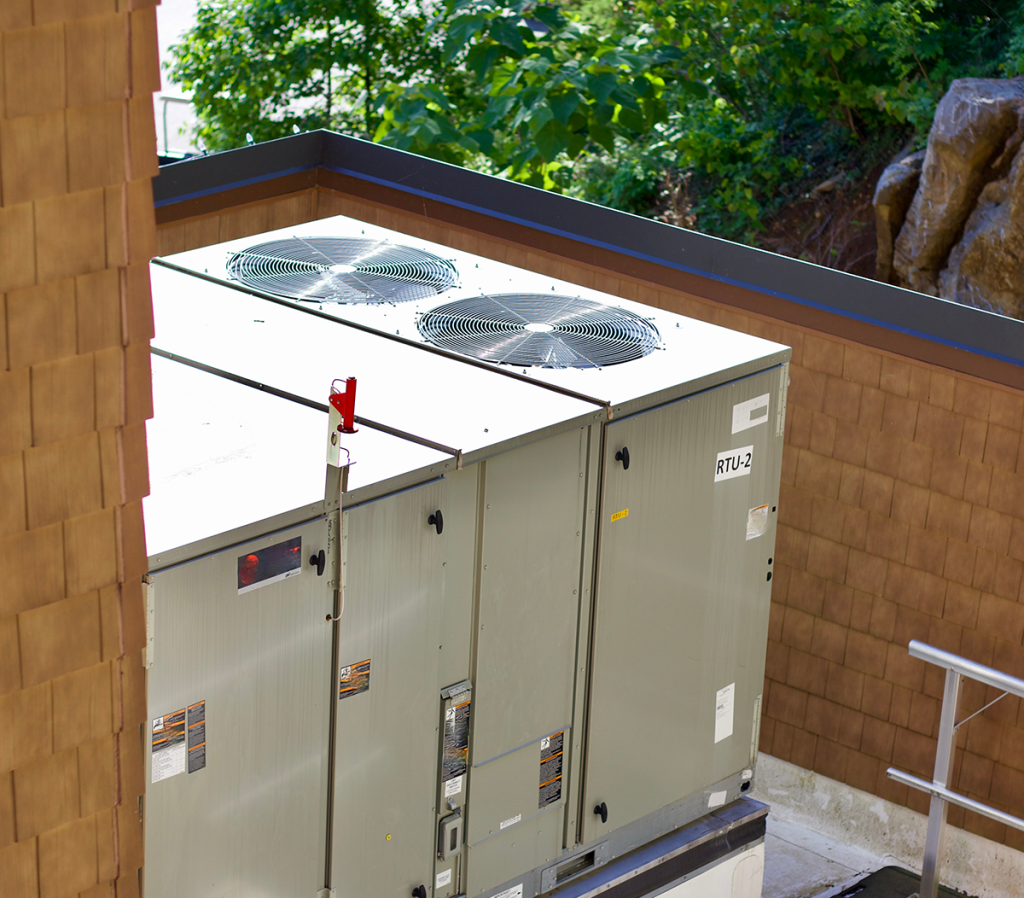
A larger system is not automatically a better system. Equipment that is oversized may heat or cool the home too quickly, causing frequent starts and stops that can interfere with comfort and place unnecessary strain on components. It may also struggle to control indoor humidity during cooling operation.
A system that is too small may run continuously while failing to maintain the desired temperature. This can increase wear and leave certain rooms uncomfortable during demanding weather. Proper HVAC installation services should account for the actual heating and cooling load of the home rather than relying only on the capacity of the old equipment.
The quality of the HVAC install can have a lasting impact on comfort and system reliability. Even high-quality equipment may perform poorly when it is incorrectly sized, improperly connected, or installed without considering the existing ductwork. Choosing an experienced HVAC installer helps reduce the risk of problems that may not become obvious until after the system begins operating regularly.
Common installation concerns can include:
A thorough installation process addresses these details before they affect daily operation.
The quality of the HVAC install can have a lasting impact on comfort and system reliability. Even high-quality equipment may perform poorly when it is incorrectly sized, improperly connected, or installed without considering the existing ductwork. Choosing an experienced HVAC installer helps reduce the risk of problems that may not become obvious until after the system begins operating regularly.
Common installation concerns can include:
A thorough installation process addresses these details before they affect daily operation.
Replacing a heating or cooling system is a major decision, and homeowners deserve a clear understanding of the equipment and work being proposed. BeeCool 24/7 HVAC provides residential HVAC installation services for central air conditioners, furnaces, boilers, ductless systems, and specialized geothermal equipment. With more than two decades of industry experience, we evaluate each home individually and recommend options based on its actual comfort needs. Contact us to request a free estimate and discuss your upcoming HVAC system installation.