An aging air conditioner can become more difficult to rely on as repairs increase, performance declines, and indoor temperatures become harder to control. BeeCool 24/7 HVAC provides residential AC replacement for homeowners who are ready to move beyond repeated service calls and invest in a more dependable cooling system. With more than 20 years of HVAC experience, we evaluate the condition of the current equipment, the layout of the home, and the household’s comfort needs before recommending replacement options. Replacing an AC unit is a major decision, so we explain what is involved, what may affect pricing, and how the new equipment should work with the rest of the HVAC system. Homeowners receive a clear installation plan and a free estimate before approving the project.
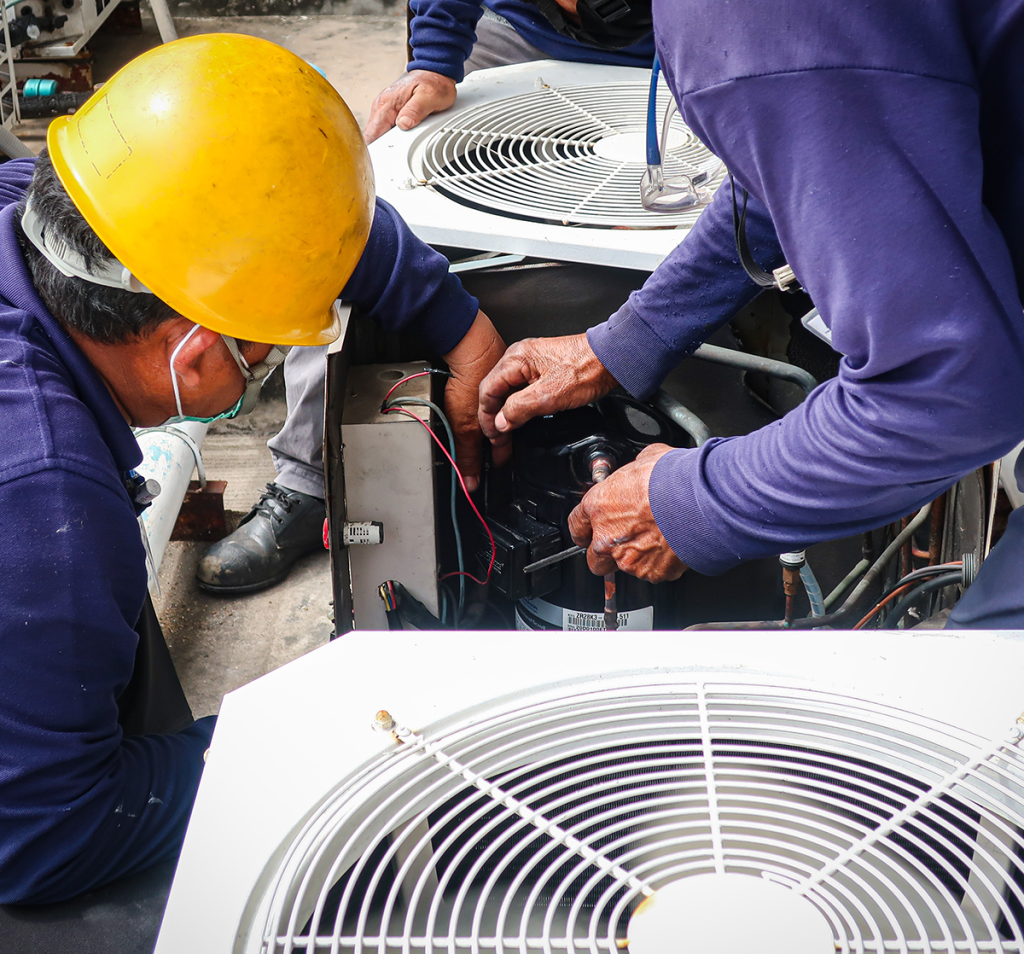
A single breakdown does not always mean the entire cooling system needs to be replaced. In many situations, a focused repair can restore operation and provide additional years of use. AC replacement may become more practical when problems are recurring, the equipment is no longer cooling effectively, or the cost of continued repairs is becoming difficult to justify. The decision should be based on the complete condition of the system rather than age alone. Repair history, availability of parts, cooling performance, energy use, and compatibility with other HVAC components should all be considered. BeeCool 24/7 HVAC helps homeowners review these factors before deciding whether to repair or replace the AC unit.
Occasional repairs are normal for many cooling systems, but repeated failures may indicate widespread wear. Paying for one component after another can become more expensive without providing lasting reliability. AC system replacement may offer better long-term value when service calls are becoming a regular part of each cooling season.
Older equipment may run for long periods while leaving bedrooms, upper floors, or heavily used rooms warmer than the rest of the home. Uneven cooling can involve airflow or ductwork, but it may also indicate that the AC has lost capacity. The system should be evaluated before replacement to confirm what is contributing to the comfort problem.
Manufacturers eventually discontinue older components and equipment lines. When a necessary part is unavailable, unusually expensive, or incompatible with the existing system, repair options may become limited. Replacing the AC unit can provide access to more readily available parts and updated equipment support.
A major component failure may cost significantly more than a routine repair. The age, condition, and previous performance of the equipment should be considered before investing in expensive work. If other components are also deteriorating, an AC unit replacement may be the more practical choice.
Higher electricity bills can have several possible causes, including weather, thermostat settings, insulation, and household use. However, an older system that runs constantly while providing less comfort may be operating less effectively than it once did. Replacement may be worth considering when rising costs are paired with performance problems or frequent repairs.
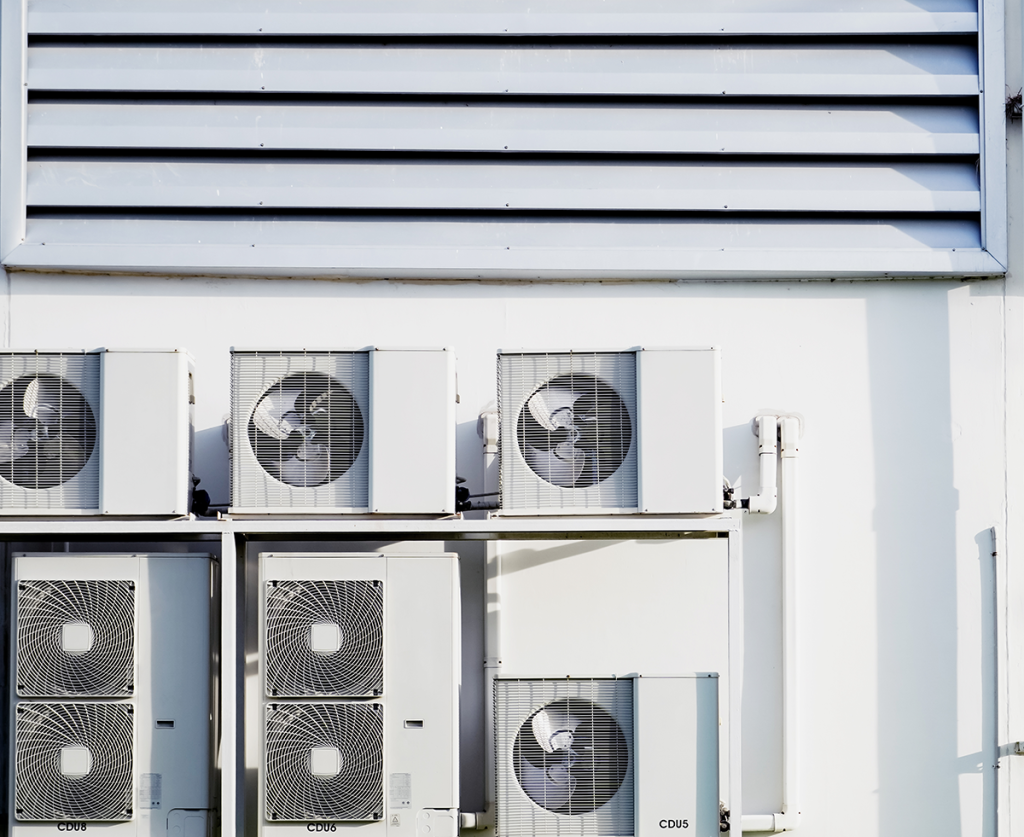
The replacement process should not begin by choosing a brand or selecting the same capacity as the old system. The previous equipment may have been oversized, undersized, or installed before renovations changed the home’s heating and cooling needs. Replacing a home AC unit properly requires a review of the property and the connected HVAC components.
BeeCool 24/7 HVAC considers square footage, room layout, insulation, windows, sun exposure, ductwork, airflow, and the location of the equipment. We also ask which rooms have been difficult to cool and whether the system has experienced recurring performance concerns. This information helps guide a replacement recommendation suited to the home as it exists today.
An AC unit replacement can involve more than removing one piece of equipment and placing another in the same location. The exact project depends on the type of system, the condition of the indoor and outdoor components, and whether existing connections remain compatible. A written estimate should make the proposed scope clear before installation begins.
The project may include removal of old equipment, preparation of the installation area, placement of the new unit, connection to existing HVAC components, control or thermostat updates, drainage work, and system testing. Some homes may also require changes involving duct transitions, equipment pads, electrical connections, or other installation details. BeeCool 24/7 HVAC reviews these needs during the planning stage.
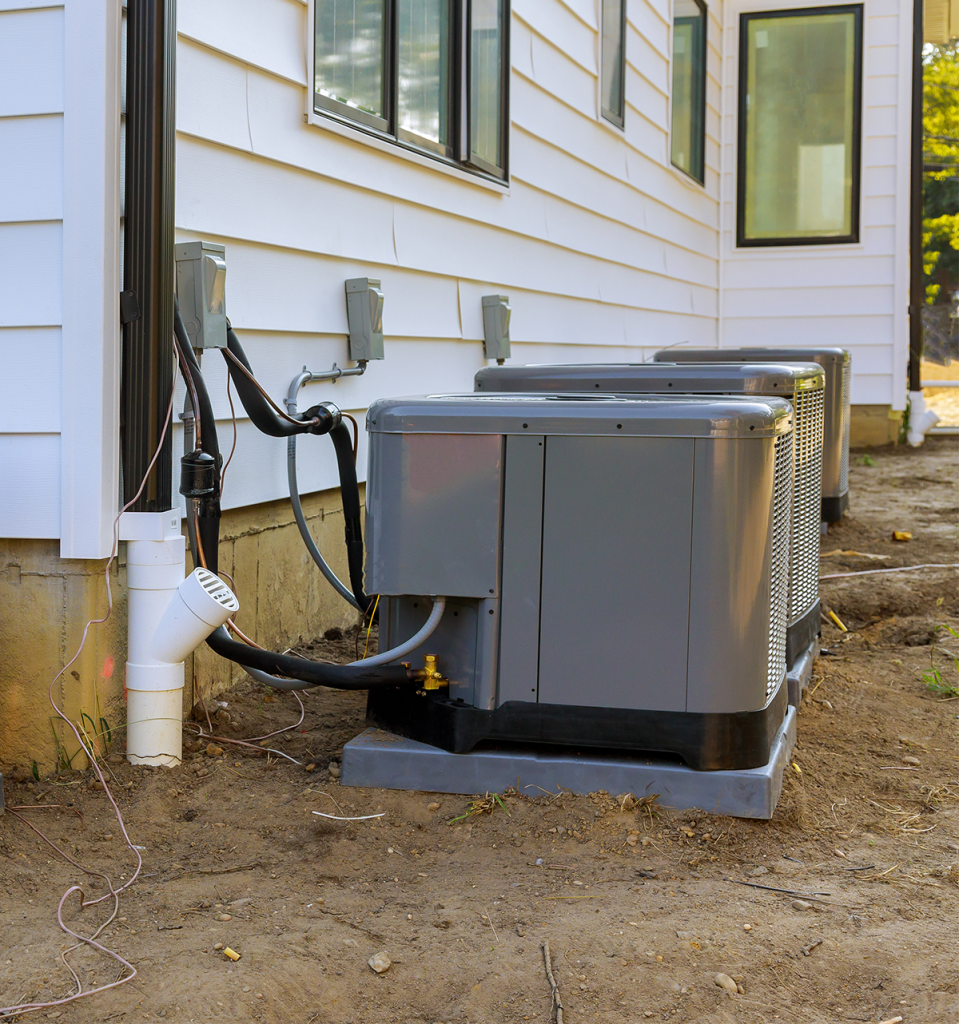
Residential cooling systems often include indoor and outdoor equipment that must operate together. Homeowners may ask whether only the failed component can be replaced or whether a complete AC system replacement is necessary. The answer depends on equipment age, condition, refrigerant requirements, efficiency ratings, and manufacturer compatibility.
Replacing one component may be possible when the remaining equipment is in good condition and properly matched. In other situations, connecting new equipment to an older or incompatible unit may limit performance and reliability. We explain which components are involved so homeowners can understand why a partial or complete replacement is being recommended.
The AC unit replacement cost varies because homes, equipment types, and installation requirements are different. A straightforward replacement using compatible connections may involve a different level of work than a project requiring system modifications. The final price should reflect the equipment and the labor needed to complete the installation correctly.
Factors that may affect AC replacement pricing include:
BeeCool 24/7 HVAC provides free estimates so homeowners can review the proposed work and understand what is included before making a commitment.
There is no single replacement AC that is right for every property. The system must fit the size and design of the home while remaining compatible with existing HVAC components. Homeowners may also have priorities involving quieter operation, more consistent temperatures, or better control over different areas of the house.
We help customers understand the available options without overwhelming them with unnecessary technical language. The recommendation is based on what the property requires and what the homeowner wants from the new system. The goal is to choose equipment that can provide dependable cooling without paying for features or capacity the home does not need.
A new air conditioner cannot correct every problem within the duct system. Crushed, leaking, disconnected, or poorly sized ducts may continue causing weak airflow and uneven temperatures after the equipment is replaced. Ignoring these conditions can make a new system appear to be performing poorly.
Accessible ductwork and return-air pathways should be reviewed when airflow concerns are present. Repairs or adjustments may be recommended separately from the AC replacement. Addressing these limitations before or during installation helps the new equipment deliver cooling more effectively throughout the home.
The work area is cleared and prepared so the existing equipment can be accessed safely. Homeowners may be asked to move belongings away from the indoor unit, outdoor equipment, thermostat, or electrical panel. Pets should also be kept away from the work area during installation.
The old equipment is disconnected and removed from the property. Once the area is open, visible connections and installation surfaces can be inspected more closely. Any unexpected condition that may affect the project is discussed before additional work is completed.
The replacement equipment is placed in the proper indoor and outdoor locations. Positioning must allow for airflow, drainage, system connections, and future service access. The exact setup depends on the type of cooling system and the design of the home.
The new equipment is connected to the necessary HVAC components, drainage, controls, and power source. Thermostat settings or controls may also need to be updated. Careful setup is important because connection errors can affect performance even when the equipment itself is new.
After installation, the system is started and checked for normal operation. Airflow, temperature output, thermostat response, drainage, and cycling may be reviewed. Testing allows the installer to confirm that the replacement AC is operating as intended before the project is completed.
Replacing an AC unit is an opportunity to correct recurring comfort problems and choose equipment that better fits the home. BeeCool 24/7 HVAC provides residential AC replacement backed by more than two decades of heating and cooling experience. We evaluate the current system, explain the options, provide a free estimate, and complete the installation with attention to sizing, compatibility, and final performance. Contact us to discuss replacing your home AC unit and begin planning a more dependable cooling system.