The air ducts in your home distribute heated and cooled air to each room, making them an important part of the overall HVAC system. Over time, loose dust, pet hair, construction particles, and other debris can settle inside accessible sections of the ductwork. BeeCool 24/7 HVAC provides professional air duct cleaning to remove accumulated material and leave the system cleaner. With more than 20 years of HVAC experience, we understand how ductwork, vents, filters, and heating and cooling equipment work together. Our service begins with an evaluation, so homeowners receive recommendations based on the actual condition of their system.
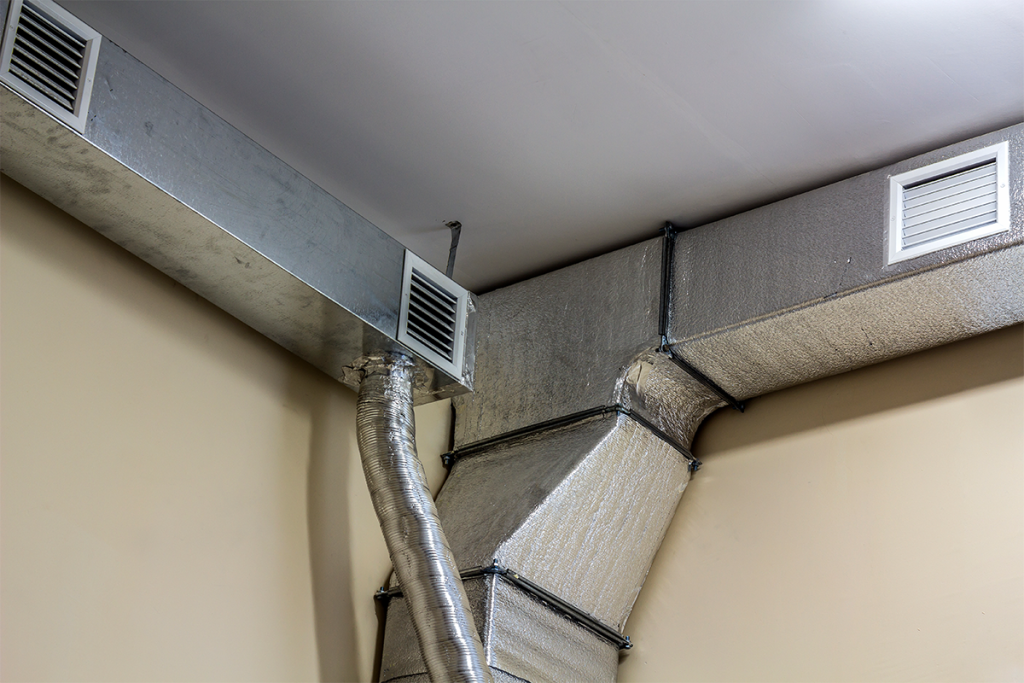
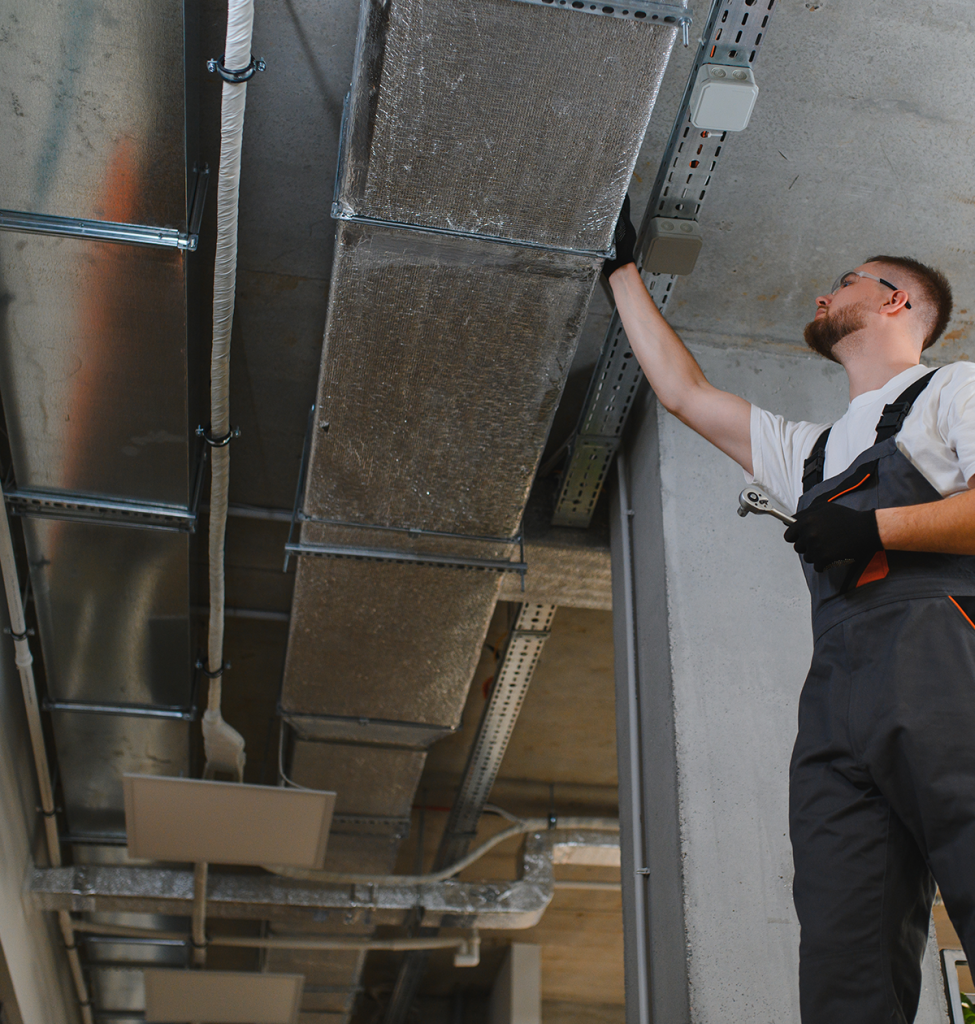
An air duct cleaning service focuses on removing loose dirt and debris from accessible areas of a forced-air heating and cooling system. Depending on the layout of the home, the process may address supply ducts, return-air pathways, registers, grilles, and other connected components. Specialized air duct cleaning equipment is used to loosen and collect buildup rather than allowing it to spread into nearby rooms.
The exact scope of service may vary because every duct system is different. Some homes have straightforward sheet-metal ductwork, while others contain flexible ducts, older materials, tight access points, or multiple HVAC systems. We review the design and condition of the system before determining which cleaning methods are appropriate.
Ducts continuously carry air throughout the home, which means small amounts of airborne material may gradually settle inside them. Normal household dust is common, but other types of debris may enter the system depending on the property and its history. Renovation work, pets, damaged filters, open registers, and gaps in the ductwork can all contribute to visible buildup.
Materials commonly found inside duct systems may include:
The presence of dust alone does not always mean the entire system requires cleaning. An inspection can help determine whether the material is limited to the registers or extends farther into the ductwork.
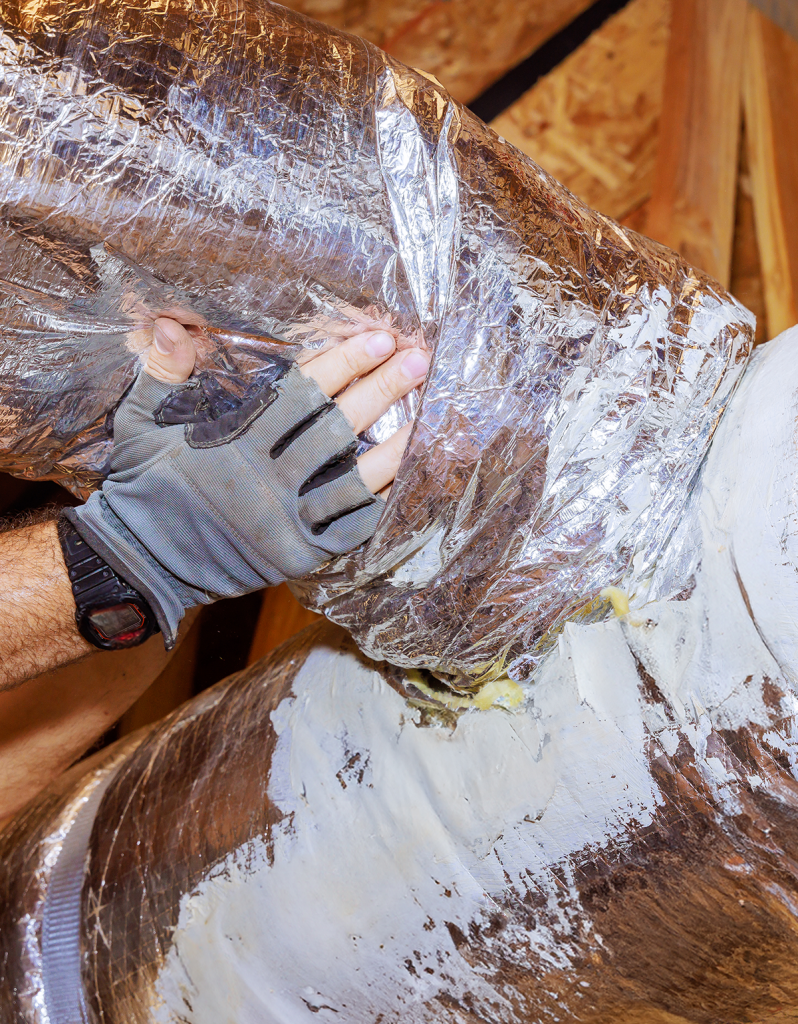
Dust, dirt, or other material inside open registers may indicate buildup within the nearby ductwork. Small amounts of surface dust are common, but heavier accumulation may require a closer look. An evaluation can determine whether the debris is limited to the vent opening or extends farther into the system.
Particles released when the HVAC system starts may suggest that loose material is present inside the ducts. The issue may also be related to a dirty filter, damaged connection, or another airflow concern. BeeCool 24/7 HVAC can inspect the system to identify where the dust is coming from.
Thick dust around supply vents or return-air grilles may be a sign that the system needs attention. The buildup can come from indoor particles, air leaks, filtration problems, or debris inside the ductwork. A professional evaluation helps determine whether cleaning or another service is appropriate.
Renovation work can release drywall dust, sawdust, insulation fibers, and other particles into the home. If registers were left uncovered, some of this material may have entered the duct system. Air duct cleaning may help remove construction debris that remains after the project is complete.
Unusual smells that appear when the heating or cooling system starts may be connected to material inside the ducts. Odors can also come from moisture, pests, filters, or the HVAC equipment itself. The source should be identified before duct cleaning is recommended.
Insects, rodents, nesting material, or droppings near vents may indicate that pests have entered the ductwork. The infestation should be addressed before any cleaning service begins. Once the pests are removed and entry points are repaired, the affected ducts can be evaluated for cleaning.
Disconnected, cracked, or poorly sealed ducts can pull dirt from attics, crawl spaces, basements, or other unfinished areas. Cleaning alone will not prevent the debris from returning if the damage remains. The ductwork may need to be repaired or sealed before the system is cleaned.
Homeowners moving into an older property may not know when the ducts were last inspected or cleaned. An evaluation can reveal visible debris, damage, pest activity, or other concerns within accessible areas. This allows the homeowner to make a decision based on the current condition of the system rather than its age alone.
Many companies advertise emergency service, but reaching someone after normal business hours is not always easy. At BeeCool 24/7 HVAC, around-the-clock availability is more than a slogan. Homeowners can call when a heating or cooling emergency happens, whether it is during the day, late at night, over the weekend, or in the early hours of the morning. We know that HVAC problems do not follow a convenient schedule. A failed furnace during freezing weather or a broken air conditioner during extreme heat can quickly become more than an inconvenience. Our goal is to respond when customers need help and provide practical solutions that restore comfort and peace of mind.
The service begins with a review of accessible ducts, registers, return vents, and nearby HVAC components. We look for visible buildup as well as signs of damage, moisture, poor connections, or pest activity. This inspection helps determine whether cleaning is appropriate and which areas can be safely reached.
Before cleaning begins, the work area is prepared to help protect floors, walls, furnishings, and nearby surfaces. Registers and access points are handled carefully, and the system is set up to contain loosened particles. Proper preparation helps keep debris from spreading into occupied areas of the home.
Professional air duct cleaning equipment is used to dislodge and capture material from reachable sections of the system. The tools selected depend on the duct material, layout, and amount of buildup. Flexible ductwork and older systems may require a different approach than durable sheet-metal ducts.
Dust often gathers around vent covers and return-air grilles, where it is easy to see. These components are cleaned as appropriate, so the service addresses more than the hidden duct runs. Removing visible buildup also creates a cleaner appearance around the openings throughout the home.
After cleaning, accessible areas are reviewed, and the HVAC system is checked for normal operation. We explain what was removed and point out any conditions that may require separate attention. These may include loose connections, damaged ducts, filter concerns, or moisture that should be investigated further.
Cleaning air ducts involves more than placing a household vacuum near a vent opening. Residential ductwork may extend through attics, walls, ceilings, crawl spaces, and other difficult-to-reach locations. Without the proper equipment, only a small area near the register may be cleaned while deeper debris remains untouched.
Professional air duct cleaning equipment is designed to create controlled airflow, loosen material, and collect particles from within accessible portions of the system. The equipment and technique must also match the duct material. Overly aggressive tools can damage flexible ducts or interior liners, while weak equipment may simply move debris from one area to another.
Air duct cleaning can remove dust and debris that have accumulated inside the system, but it should not be presented as a cure for every indoor air quality concern. Conditions inside a home may also be affected by humidity, ventilation, pets, smoke, cleaning products, outdoor pollutants, moisture, and the type of HVAC filter being used.
Homeowners should be cautious of air duct cleaning companies that promise to eliminate allergies, prevent illness, or remove every particle from the property. Professional air duct cleaning has a specific purpose: removing material from accessible duct surfaces when buildup is present. A realistic evaluation helps homeowners decide whether the service is likely to address their particular concern.
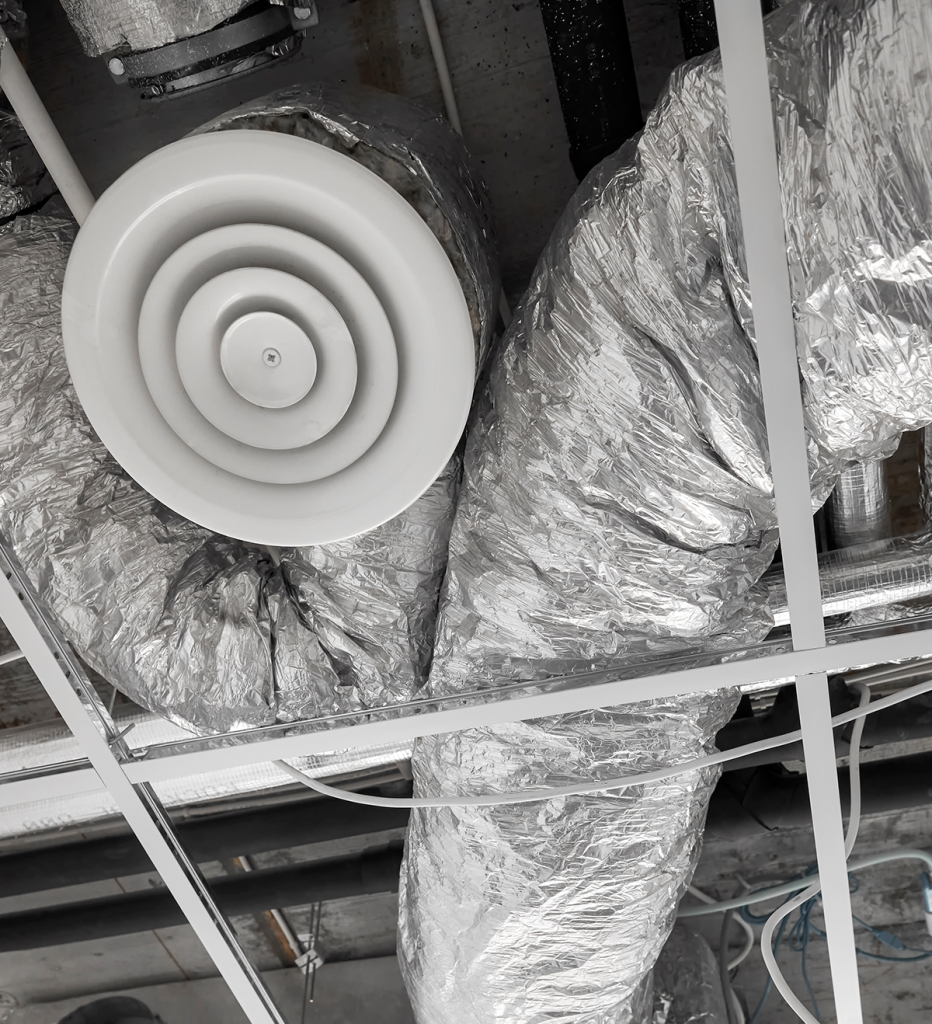
Some HVAC concerns have symptoms that resemble dirty ductwork but require a different solution. Weak airflow, uneven temperatures, unusual odors, and recurring dust may be connected to equipment performance, duct damage, filter restrictions, or moisture. Cleaning the ducts without identifying the source may leave the underlying problem unresolved.
A different service may be needed when:
Evaluating the complete system allows us to recommend cleaning only when it is relevant.
Not all air duct cleaning services follow the same process. Homeowners should look for a provider that explains what will be cleaned, evaluates the system beforehand, and uses equipment suitable for the ductwork. A company with HVAC experience can also identify when airflow, equipment, filters, or damaged connections may be contributing to the concern.
Before scheduling service, consider asking:
Clear answers help homeowners compare air duct cleaning companies based on the actual service rather than price alone.
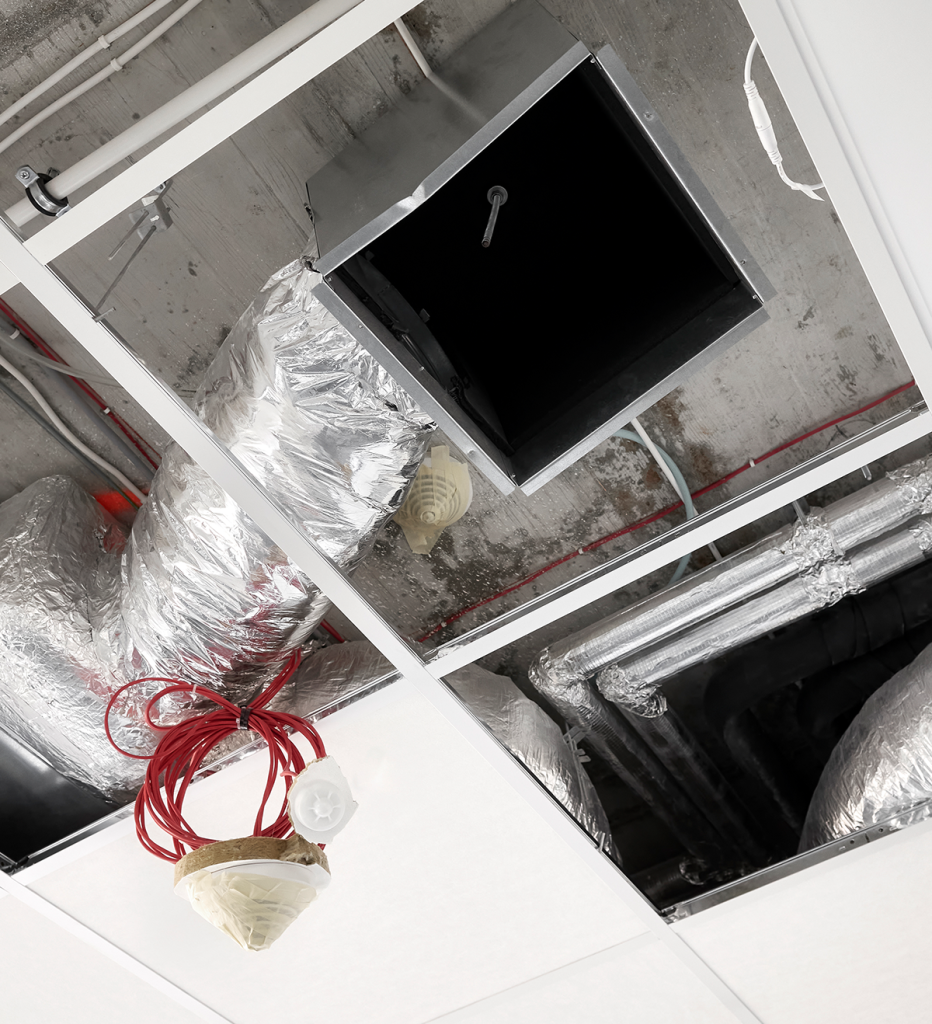
Visible debris, recent construction, pest activity, or material blowing from the vents may indicate that your ductwork should be inspected. BeeCool 24/7 HVAC provides residential air duct cleaning services based on the condition, accessibility, and design of each system. We use HVAC knowledge to look beyond the vent covers and determine whether cleaning or another type of service is appropriate. Contact us to request a free estimate for professional home air duct cleaning.