Air duct cleaning costs can feel difficult to predict before a professional inspects the system. Most property owners spend about $450 to $1,000, although some projects fall outside that range. The final price depends on system size, accessibility, contamination, and the scope of work. A low advertised rate may also cover far less than a complete cleaning service. Understanding these differences helps homeowners compare estimates and avoid unexpected charges.
What Does Air Duct Cleaning Usually Cost?
Air duct cleaning prices can vary widely from one home to another. The system’s layout, condition, and accessibility all affect the amount of work involved. Understanding these differences helps homeowners recognize why one estimate may differ significantly from another.
Average Costs for a Typical Home
Most homeowners spend about $450 to $1,000 on professional air duct cleaning. Smaller homes with a single accessible system may fall at the lower end of that range. Larger properties often have longer duct runs, more vents, and additional areas requiring attention. Multiple HVAC systems can also increase the time and labor involved. Heavy debris or difficult access may push the final price beyond the typical range. For these reasons, the actual system matters more than the home’s square footage alone.
Commercial Air Duct Cleaning Costs
Commercial air duct cleaning usually requires a custom estimate because building systems vary greatly in size and design. Larger duct networks, multiple HVAC units, and restricted access can increase the amount of work involved. Business type and operating schedules may also affect how technicians plan the service. Some facilities need cleaning outside regular hours to limit disruption. For these reasons, commercial properties rarely fall within the same price ranges as typical homes. A site assessment provides a more accurate estimate of the building’s actual system.
Why Prices Differ Between Properties
No two properties have the same duct layout, system condition, or access points. A smaller home may have a single HVAC system, while a larger building may have several units. Commercial properties can also have longer duct runs and more complex layouts. Older buildings may require extra time because of unusual configurations or limited access. These differences affect labor, equipment use, and the overall cleaning process. A reliable estimate should reflect the actual property and system rather than a generic promotional price.
How is Air Duct Cleaning Priced?
Companies use several methods to calculate the cost of air duct cleaning. Some charge by the vent, while others charge by square footage or by the complete system. Knowing how each method works makes it easier to compare different estimates.
Pricing Based on Vents and Registers
Some companies calculate prices according to the number of supply vents and return registers. Per-vent pricing can look affordable until a property has many openings throughout the building. Companies may also count supply vents and returns differently when preparing estimates. A low starting price might cover only a limited number of vents. Additional openings can then raise the total much higher than expected. Property owners should request a complete estimate instead of relying on the advertised per-vent rate.

Property Size and System Layout
Larger properties often cost more because they usually contain longer or more complex duct systems. More rooms can also mean additional vents and return openings that require cleaning. However, two properties with similar square footage may have very different HVAC layouts. One may use a simple system, while another has several zones or separate units. Property size, therefore, provides only a starting point for estimating the cost. The system itself gives a clearer picture of the work required.
Flat-Rate Pricing for Complete Service
A flat-rate estimate can make the final price easier to understand. The company evaluates the system and provides one price for a clearly defined scope. This approach reduces confusion about separate charges for vents or other areas. However, not every flat rate includes the same work. Some companies charge separately for components outside the basic duct system. A written estimate should explain exactly what the flat price covers.
Factors Affecting the Final Price
The biggest cost differences usually come from the size and condition of the duct system. Access issues and multiple HVAC units can also increase the required work. Understanding these factors helps explain why online averages cannot predict every final bill.
Size and Length of the Duct System
Larger duct systems contain more interior surface area for technicians to clean. Longer runs also require more time and greater use of equipment throughout the property. Multi-story homes may have ductwork that reaches several levels and distant rooms. Technicians may need to reposition equipment as they move through the system. More vents can add further work to the appointment. These demands often place larger systems toward the higher end of typical pricing.
Number of HVAC Systems
A home with multiple HVAC systems generally costs more to clean. Each unit may connect to separate ducts, returns, and other components. Technicians often need to set up their equipment for each system individually. The work, therefore, involves more than simply cleaning a few extra vents. Separate systems can add significant time to the appointment. Property owners should confirm how many systems an estimate includes.
Accessibility of the Ductwork
Easy access allows technicians to work more efficiently and complete the job faster. Tight crawl spaces or difficult layouts can slow the cleaning process. Finished areas may also limit access to certain sections of the ductwork. Older properties sometimes contain configurations that require extra care or preparation. These conditions can increase labor even when the home itself is not especially large. A contractor should explain any access problems that affect the estimate.
Amount of Dust and Debris
Light household dust usually requires less work than heavy contamination. Thick buildup can take longer to loosen and remove from interior duct surfaces. Construction dust may also travel deep into the system during renovations. Properties with years of accumulated debris can present similar challenges. More severe conditions require additional time and repeated cleaning efforts. As the workload increases, the final price usually rises.
Air Duct Cleaning Costs Inclusions
A complete service should address more than the dust visible around vent covers. However, companies do not always include the same areas in their standard price. Reviewing the service scope helps owners understand what they are actually paying for.
Supply and Return Duct Cleaning
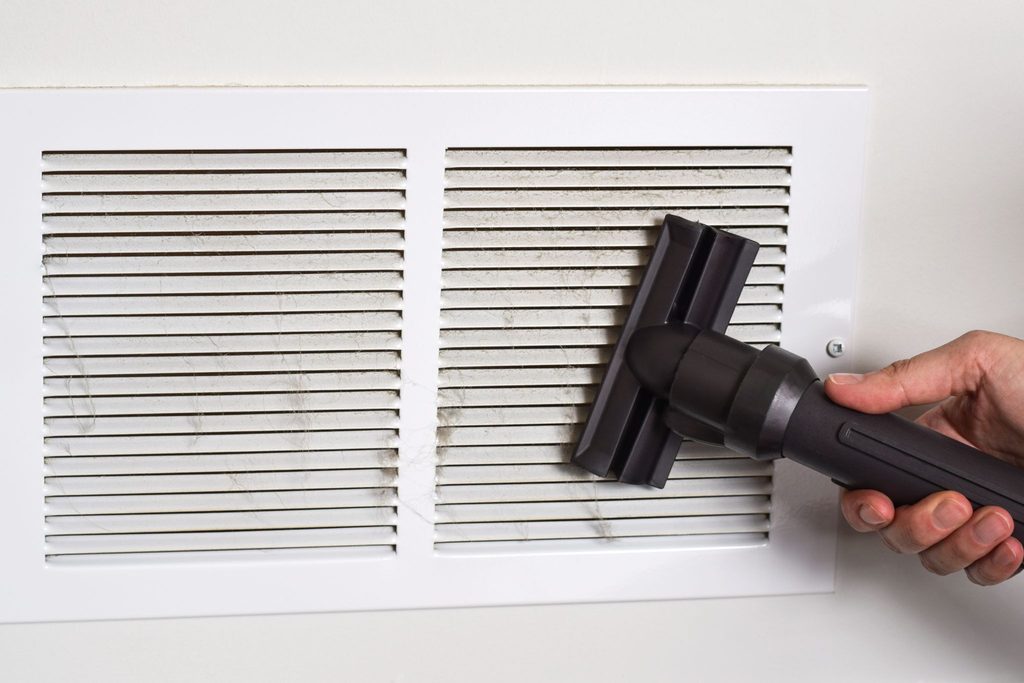
Supply ducts carry heated or cooled air into rooms throughout the home. Return ducts move indoor air back toward the HVAC system. Both areas can collect dust and debris over time. A complete service generally addresses accessible sections of the connected duct network. Technicians use specialized tools to loosen buildup and collect the removed material. Cleaning only the visible openings does not provide the same level of service.
Registers, Grilles, and Related Areas
Registers and grilles often collect visible dust around their edges and surfaces. Technicians commonly remove or access these parts during the cleaning process. Some services may also include other reachable areas near the duct system. However, blowers, coils, and air handlers may carry separate charges. Owners should not assume that every HVAC component is included in the base price. The written estimate should identify each area included in the service.
Does Cleaning Include the Entire HVAC System?
Air duct cleaning does not always include every part of the HVAC system. The ducts connect to equipment that may require separate cleaning or maintenance. A company might charge extra for the blower, coils, or air handler. These components require different methods than the ducts themselves. Property owners should ask which areas of the system the technician will clean before approving the estimate. This distinction prevents confusion when comparing prices from different companies.
Services That Can Increase Cleaning Costs
Some properties need more than standard dust and debris removal. Mold concerns, pest contamination, and additional services can increase the final bill. These services should address a specific condition rather than appear automatically on every estimate.
Mold Inspection and Related Work
Suspected mold can make a routine cleaning project more complicated. The source of moisture must be addressed because cleaning alone will not stop the problem. Some situations may require further assessment before treatment begins. Wet or damaged duct insulation may need replacement rather than surface cleaning. Additional treatment or repair can raise the total cost considerably. Property owners should ask for clear evidence before approving expensive mold-related services.
Pest Contamination and Cleanup
Rodents and insects can leave waste and nesting materials inside duct systems. This type of contamination usually requires more work than ordinary household dust. The pest problem should also be resolved before the final cleaning begins. Otherwise, animals may enter again and contaminate the system. Damaged ducts may require repair or replacement during the process. These extra steps can increase the project cost beyond standard cleaning rates.
Dryer Vent Cleaning and Other Add-Ons
Some companies offer dryer vent cleaning during the same appointment. Combining services may cost less than scheduling separate visits. Other add-ons can include deodorizing or treatments for specific system conditions. However, every additional service should have a clear reason. Owners should ask what problem the service addresses and how much it costs. Separate prices make useful work easier to distinguish from unnecessary extras.
How Long Does Air Duct Cleaning Take?
Professional air duct cleaning often takes several hours, but no single timeframe fits every home. The number of systems and the condition of the ducts can significantly affect the schedule. Knowing what affects the timeline also helps homeowners understand differences in labor costs.
Typical Time for One HVAC System
A straightforward cleaning for one HVAC system may take a few hours. Smaller homes with simple layouts usually require less time than larger properties. Technicians need time to set up equipment and reach different parts of the system. They must also clear debris before properly collecting it. A very short appointment may not allow enough time for complete work. Property owners should ask how long the company expects the service to take.
Conditions That Extend the Appointment
Several conditions can add time to an air duct cleaning project. Multiple systems require separate attention and may involve additional equipment setup. Difficult access can slow technicians as they move between different areas. Heavy debris may also require repeated cleaning efforts. Pest contamination or related repairs can extend the appointment further. These added demands often explain why more complex projects cost more.
How Often Should Air Ducts Be Cleaned?
Most properties do not need air duct cleaning on a rigid annual schedule. The condition of the system provides a better reason for service than the calendar alone. Light dust around a vent cover does not always mean the entire system needs cleaning. However, visible debris, pest activity, or particles blowing from registers may justify professional attention. Renovation work can also send fine dust and construction debris into open ductwork. A professional inspection can help when the need for cleaning remains unclear. This condition-based approach keeps spending focused on work that addresses an actual problem.
Check Air Duct Cleaning Costs Before Committing
Knowing how much air duct cleaning costs gives you more control before any work begins. Ask for a detailed estimate, confirm the service scope, and question charges that lack a clear purpose. A trustworthy provider should explain what your system needs without relying on vague promises or surprise.
Air duct cleaning costs are only one part of maintaining an efficient home system. Visit the BeeCool 247 HVAC blog for more practical insights on HVAC care, comfort, and maintenance.