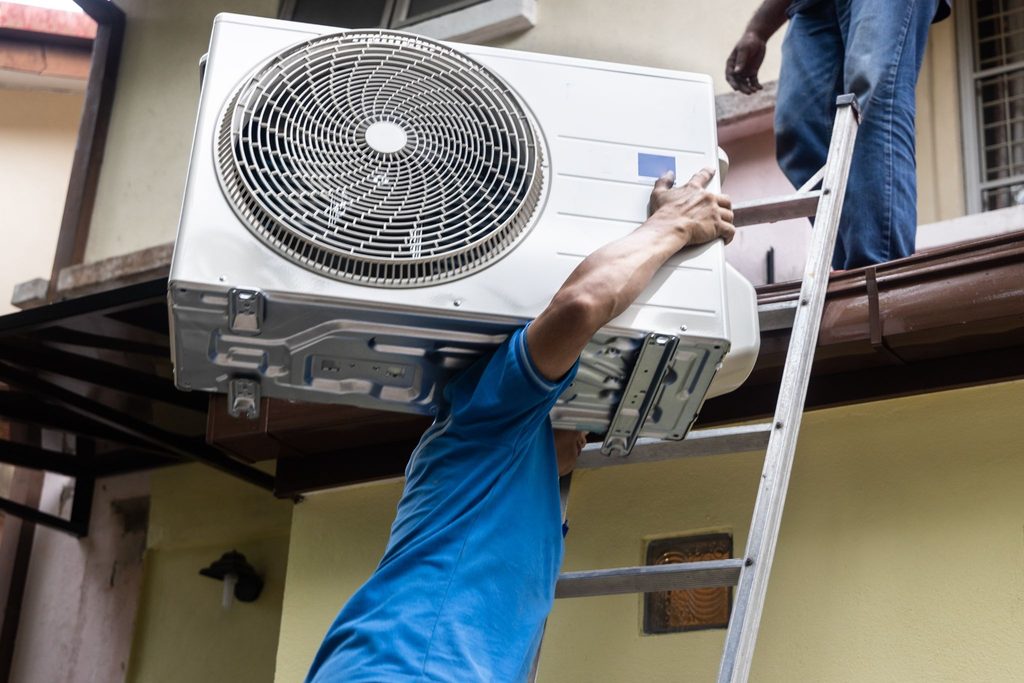
An air conditioner can lose reliability long before it stops working completely. Small changes in comfort, energy use, and repair frequency often reveal a deeper decline. Homeowners may adapt to these problems without realizing how much performance they have already lost. Waiting for complete failure can lead to rushed decisions during extreme weather. Recognizing the right time for AC unit replacement helps protect comfort, control costs, and avoid sudden breakdowns.
When Repair Stops Being the Better Choice
A single problem does not usually mean an air conditioner needs replacement; however, the decision changes when age, rising costs, and declining performance appear together. Repeated repairs may keep the equipment running without restoring reliable comfort or efficiency. Each new repair can also reduce the financial value of keeping an aging system. Looking at the system as a whole helps determine when replacement offers better long-term value.
When AC Unit Replacement Becomes Necessary
An air conditioner often shows several changes before replacement becomes the more practical option. These changes may affect comfort, operating costs, and everyday reliability. Recognizing the patterns can help you decide when continued repairs no longer make sense.
Your Cooling System is Getting Older
Age alone does not mean an air conditioner must be replaced immediately. However, older equipment usually becomes less efficient as components wear and technology advances. Maintenance can slow that decline, but it cannot indefinitely restore every aging part.
The Unit Has Reached Its Expected Lifespan
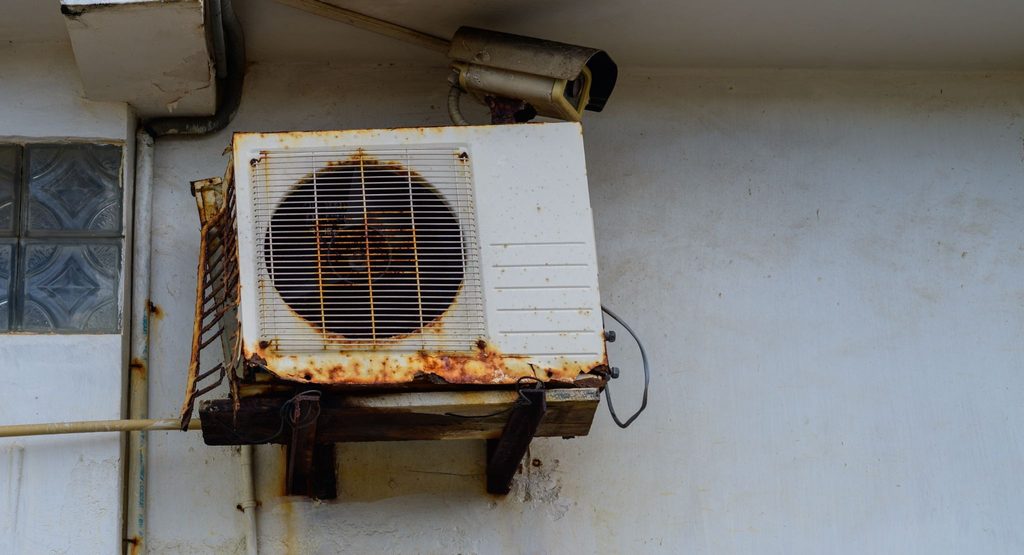
Most central air conditioning systems last about ten to 15 years. Some continue operating longer with proper maintenance and favorable conditions. However, continued operation does not always mean the system still performs efficiently. Older components may struggle to maintain temperatures during periods of heavy cooling demand. Parts can also become harder or more expensive to source as equipment ages. Replacement often becomes more practical when an older unit develops several performance problems.
Repairs Are Becoming More Frequent
An occasional repair does not automatically justify replacing an entire cooling system. Repeated service calls, however, often indicate that multiple components are nearing the end of their service life. One repaired part may soon be followed by another failure elsewhere. These costs can accumulate without delivering dependable long-term performance. Frequent disruptions also leave homeowners uncertain about when the next breakdown will happen. A newer system can provide better value when repairs become an ongoing household expense.
Cooling Performance Has Noticeably Declined
Performance changes often develop gradually, making them easy to overlook at first. Eventually, longer cooling cycles and persistent warm areas become difficult to ignore. These changes can reveal problems that repairs may no longer be economical to solve.
Your Home Never Feels Cool Enough
An air conditioner should reach the thermostat setting under normal operating conditions. A struggling system may run constantly without creating the expected indoor comfort. Lowering the thermostat often provides little improvement while increasing energy use. Weak cooling can result from worn components, declining capacity, or broader system deterioration. Repairs may help when one isolated problem causes the issue. Replacement becomes more likely when an aging system repeatedly fails to properly cool the home.
Some Rooms Stay Warmer Than Others
Uneven temperatures can result from duct problems, poor insulation, or incorrect airflow. However, an aging air conditioner can also struggle to distribute cooling consistently. Rooms farthest from the equipment may become noticeably warmer during hot weather. The difference can grow as system performance continues to decline. A professional assessment can separate equipment problems from issues elsewhere in the home. Replacement may provide better results when the existing unit no longer delivers adequate cooling capacity.
Energy Bills Keep Rising Unexpectedly
Cooling costs naturally change with weather, household activity, and utility rates. However, unexplained increases may point to declining air conditioner efficiency. Several patterns can reveal when energy use has become a replacement concern.
Cooling Costs Rise Without Usage Changes
Compare current energy bills with those from similar periods in previous years. A steady increase deserves attention when household habits have remained mostly unchanged. The air conditioner may be working harder because internal components have lost efficiency. Longer operating times increase electricity consumption without improving comfort. Maintenance can correct some causes, including dirty coils or restricted airflow. Persistent increases may indicate that replacing the old system offers better long-term value.
The System Runs for Extended Periods
Long cooling cycles are normal during exceptionally hot conditions. However, regular operation for hours without reaching the thermostat setting suggests declining performance. The system may lack enough capacity because important components have weakened over time. Continuous operation increases wear and can shorten the remaining service life. It also places more pressure on household energy costs. Replacement should be considered when an older unit runs excessively despite proper maintenance and reasonable thermostat settings.
Repair Costs No Longer Make Financial Sense
Repairing an air conditioner often costs less than replacing it initially. However, the lowest immediate expense does not always provide the best financial outcome. Homeowners should consider equipment age, repair history, and expected future reliability together.
One Major Repair Costs Too Much
Major component failures can require a substantial investment in an older cooling system. Compressor problems and other expensive failures deserve careful evaluation before authorizing repairs. A costly repair may add only limited service life to aging equipment. Other original components can still fail after the major repair is completed. Homeowners should compare repair costs against the value and lifespan of replacement equipment. Investing in a new unit may offer stronger value when repair costs become disproportionately high.
Small Repairs Keep Adding Up
Minor repairs can seem manageable when considered one at a time. However, several service visits in a short period can result in a substantial total expense. Repeated failures often suggest that the overall condition of the equipment has deteriorated. Fixing each new problem may keep the system operating without restoring dependable performance. Reviewing recent repair spending can provide a clearer picture of the actual cost. Replacement may reduce uncertainty when ongoing repairs consume money without delivering lasting reliability.
The AC System Breaks Down More Often
Repeated breakdowns can disrupt comfort during the hottest periods of the year. They also create scheduling problems and unexpected household expenses. A dependable cooling system should not require constant attention to remain operational.
Breakdowns Happen During Peak Demand
Older air conditioners often fail when outdoor temperatures place them under the greatest strain. Components that work in mild weather may struggle in prolonged heat. This pattern can leave the household without cooling when comfort matters most. Emergency repairs may also cost more and involve longer waits for service. Repeated peak-season failures indicate that the system can no longer reliably handle normal demand. Planned replacement can prevent another breakdown from forcing a rushed decision.
Reliability Never Returns After Repairs
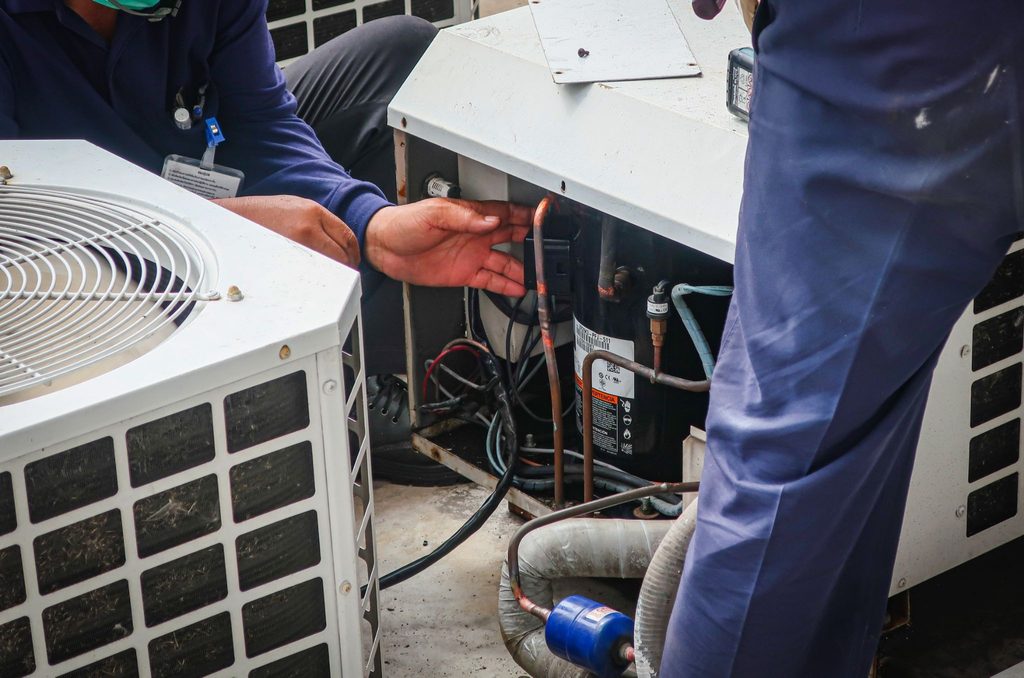
A successful repair should restore stable operation for a reasonable period. Concern grows when new symptoms appear shortly after each service visit. The system may have several aging components rather than one isolated fault. Repairing a single failure cannot reverse broader mechanical wear across the equipment. Continued service calls may then provide only temporary relief. Replacing the unit can become more sensible when dependable operation never fully returns.
The Unit Makes New or Persistent Noises
Air conditioners produce normal sounds during startup and regular operation. New noises, however, often deserve attention because they can signal mechanical problems. The type and frequency of the noise can help determine the seriousness.
Grinding or Rattling Keeps Returning
Grinding can indicate worn bearings or problems involving moving components. Rattling may result from loose parts, damaged assemblies, or deteriorating internal hardware. A technician should inspect these sounds before further damage occurs. Repeated noise after repairs may point to broader equipment deterioration. Older systems can develop several mechanical problems as years of operation take their toll. Replacement becomes more reasonable when recurring noise accompanies poor cooling and frequent repairs.
Startup Sounds Have Become Much Louder
Some air conditioners make a brief sound when the cooling cycle begins. However, sudden bangs or unusually loud startup noises require professional attention. Electrical and mechanical components can become stressed as equipment ages. Repeated hard starts may also place additional strain on the system. A repair can address specific causes when the remaining equipment is in good condition. Replacement may be preferable when loud startups occur alongside other signs of serious decline.
The System Uses an Older Refrigerant
Refrigerant type can affect repair decisions for aging air conditioning equipment. Older systems may use refrigerants that are subject to supply restrictions or phaseouts. A leak can therefore become more complicated and expensive to address.
Refrigerant Repairs Have Become Expensive
A refrigerant leak requires more than simply adding more cooling fluid. Technicians must locate the leak and determine whether repair is practical. Costs can rise when an older refrigerant becomes less available. The underlying equipment may also have additional age-related problems. Spending heavily on refrigerant work may offer limited value for a declining unit. Replacement can provide a clearer long-term solution when repair costs continue increasing.
Leaks Continue After Previous Service
One refrigerant leak does not always mean the entire system needs replacement. Repeated leaks, however, can indicate corrosion or deterioration within important components. Each repair can add cost while leaving other vulnerable areas unchanged. Low refrigerant levels also reduce cooling performance and increase operating strain. A technician should assess the system before homeowners continue funding repeated repairs. New equipment may be more practical when leaks become part of a recurring pattern.
Airflow Has Become Weak or Inconsistent
Weak airflow can result from issues with filters, ducts, blower components, or equipment. A professional inspection should identify the source before replacement decisions are made. Persistent airflow issues become more concerning as the entire cooling system ages.
Vents Deliver Less Air Than Before
Homeowners often notice declining airflow when certain rooms take longer to cool. Supply vents may release less air even after filter replacement and routine maintenance. The blower system or other internal components may no longer perform properly. Reduced airflow forces the equipment to work harder to maintain comfortable temperatures. Repairs can restore performance when the cause remains limited and affordable. Replacement may provide better value when weak airflow reflects widespread equipment decline.
Cooling Output Changes From Cycle to Cycle
A reliable air conditioner should deliver reasonably consistent performance during each cooling cycle. An aging unit may produce strong airflow during one cycle and weak output later. These changes can make indoor temperatures difficult to predict and control. Intermittent performance often requires careful diagnosis because several components may contribute. Repeated service visits can become costly when technicians keep finding different problems. Replacement may offer greater reliability when inconsistent operation becomes the normal pattern.
Plan Your AC Unit Replacement Before Failure
Waiting for an air conditioner to stop completely can limit your options when cooling matters most. Acting on persistent performance problems gives you time to compare systems and plan your investment carefully. A professional evaluation can confirm whether replacement offers greater value than another temporary repair. Schedule an assessment before the next breakdown turns a planned decision into an urgent expense.
Explore the BeeCool 247 HVAC blog for straightforward guidance on cooling performance, system care, and the issues homeowners should never overlook.