A heating problem can quickly disrupt comfort, routines, and daily operations. Some issues appear suddenly, while others develop quietly over several weeks. Strange noises, weak airflow, and uneven temperatures often signal a system under strain. Prompt attention can prevent minor faults from causing more expensive damage. Understanding heating repair services helps property owners respond confidently when problems begin.
Why Prompt Heating Repairs Matter
Small heating problems rarely improve while the system continues operating. Instead, failing components can place added strain on other working parts. Restricted airflow, loose connections, and worn components may cause overheating, higher energy use, or repeated shutdowns. Delaying service can also increase the risk of a complete breakdown during heavy system use. Prompt repairs help contain the problem before related damage spreads and costs increase. Addressing performance changes early also gives property owners more control over repair timing and service decisions.
What Do Heating Repair Services Include?
Heating repairs address problems that prevent equipment from operating safely and reliably. The exact work depends on the system, symptoms, and damaged components. A technician first identifies the cause before recommending the appropriate repair. Several service areas are commonly included in a professional heating repair visit.
System Inspection and Problem Diagnosis
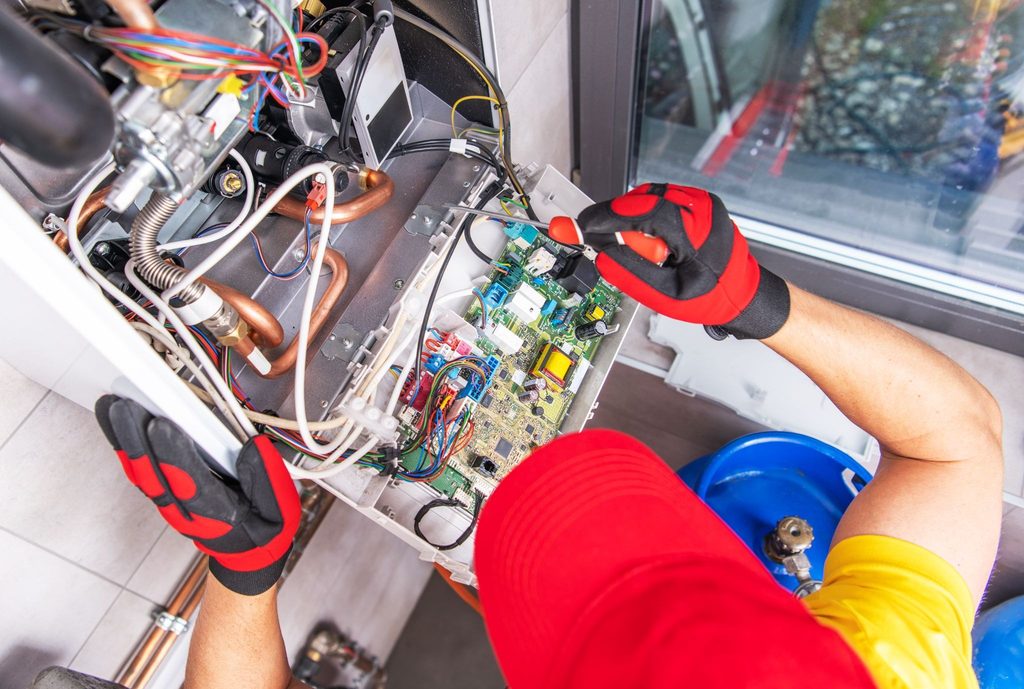
A repair usually begins with a detailed inspection of the heating system. The technician reviews reported symptoms and observes how the equipment responds during operation. Electrical connections, controls, airflow, and mechanical components receive attention during this process. Diagnostic testing separates the actual fault from symptoms caused by another problem. For example, weak heat may result from airflow restrictions rather than the heating unit itself. Accurate diagnosis reduces unnecessary repairs and directs attention toward the underlying cause.
Component Repair and Replacement
Worn components can reduce heating performance long before the entire system fails. Technicians may repair or replace motors, igniters, switches, sensors, relays, and other parts. The required work depends on the component condition and the equipment’s design. Some parts need prompt replacement because continued operation could damage nearby components. Others may only require adjustment, cleaning, or a secure electrical connection. A qualified technician should explain the recommended work before completing major component repairs.
Signs Your Heating System Needs Repair
Heating equipment often shows signs of trouble before it stops working completely. Recognizing these changes can help prevent longer outages and more extensive damage. Some problems affect comfort, while others increase operating costs or create safety concerns. Property owners should pay attention when normal system behavior begins to change.
Uneven or Insufficient Heating
Rooms should generally reach comfortable temperatures when the heating system operates correctly. Cold areas may indicate airflow problems, equipment faults, or poor heat distribution. A system that runs continuously without warming the property also needs professional attention. The problem could involve the thermostat, blower, heating components, or fuel delivery. Delaying an inspection may force struggling parts to work harder for longer periods. A professional diagnosis can identify why heat is not reaching the intended areas.
Unusual Sounds During Operation
Heating systems produce normal operating sounds, but new noises deserve attention. Banging may indicate loose parts or problems in certain heating equipment. Grinding often suggests friction between components that should move smoothly. Rattling can develop when panels, fasteners, or internal parts become loose. Squealing may indicate belt, bearing, or motor problems within the system. Early repair can prevent a noisy component from damaging surrounding parts.
Frequent Cycling or Long Run Times
A heating system should follow relatively consistent cycles based on indoor temperature needs. Frequent starts and stops can indicate problems with the thermostat, airflow, or equipment. Extremely long cycles may suggest the system cannot reach the selected temperature. Dirty components and restricted airflow can also force equipment to run longer. These operating patterns often increase wear and raise energy use over time. A technician can test the system and determine why its normal cycle has changed.
Common Heating Problems That Need Repair
Heating systems contain connected components that must work together during every operating cycle. A problem in one area can affect performance throughout the entire system. Some faults develop from wear, while others involve airflow, controls, or electrical components. Understanding common problems can make repair recommendations easier to evaluate.
Thermostat and Control Problems
A thermostat tells the heating system when to start and stop operating. Incorrect readings can cause poor comfort even when major equipment remains functional. Loose wiring, failed sensors, and control faults may interrupt communication with the system. Some thermostats also develop calibration problems that create noticeable temperature differences. A technician can test the thermostat before assuming the heating equipment has failed. Correcting the control problem may restore normal operation without a larger system repair.
Airflow and Blower Issues
Proper airflow carries heated air through the property and back toward the system. Restrictions can reduce comfort and place unnecessary pressure on heating equipment. Dirty filters, blocked vents, and blower problems can all limit air movement. A failing blower motor may produce weak airflow or stop moving air completely. Restricted airflow can also contribute to overheating and repeated system shutdowns. Heating repair professionals inspect both equipment and airflow conditions when diagnosing these symptoms.
Ignition and Heating Component Failures
Many heating systems rely on specific components to create and deliver heat. Failed igniters, burners, heating elements, or sensors can interrupt that process. Some failures prevent startup, while others cause the system to shut down early. Dirt, age, electrical faults, and normal wear can contribute to these problems. Repairs should match the system type because heating technologies operate differently. Professional testing helps identify the failed component without relying on guesswork.
How the Heating Repair Process Works
A structured repair process reduces confusion and supports more accurate service decisions. Technicians should investigate the problem before replacing parts or recommending major work. The process may vary slightly depending on equipment type and system condition. However, most professional repairs follow several clear stages from diagnosis through testing.
Reviewing Symptoms and System History
The technician usually begins by asking what changes the property owner has noticed. Useful details include unusual sounds, temperature changes, odors, and recent operating problems. Previous repairs can also provide important clues about recurring equipment faults. The technician may ask when the problem started and how often it occurs. Clear information can shorten the diagnostic process and guide the initial inspection. System history also helps distinguish isolated failures from developing patterns.
Testing Components and Confirming the Cause
Technicians use visual checks and diagnostic tools to locate the actual fault. They may test electrical readings, temperature differences, airflow, controls, and safety devices. Each result helps narrow the possible causes behind the reported problem. A professional should avoid replacing components without evidence that they have failed. Confirming the cause supports a more focused repair and reduces unnecessary expenses. The findings should also support a clear explanation of the recommended work.
Completing Repairs and Testing Performance
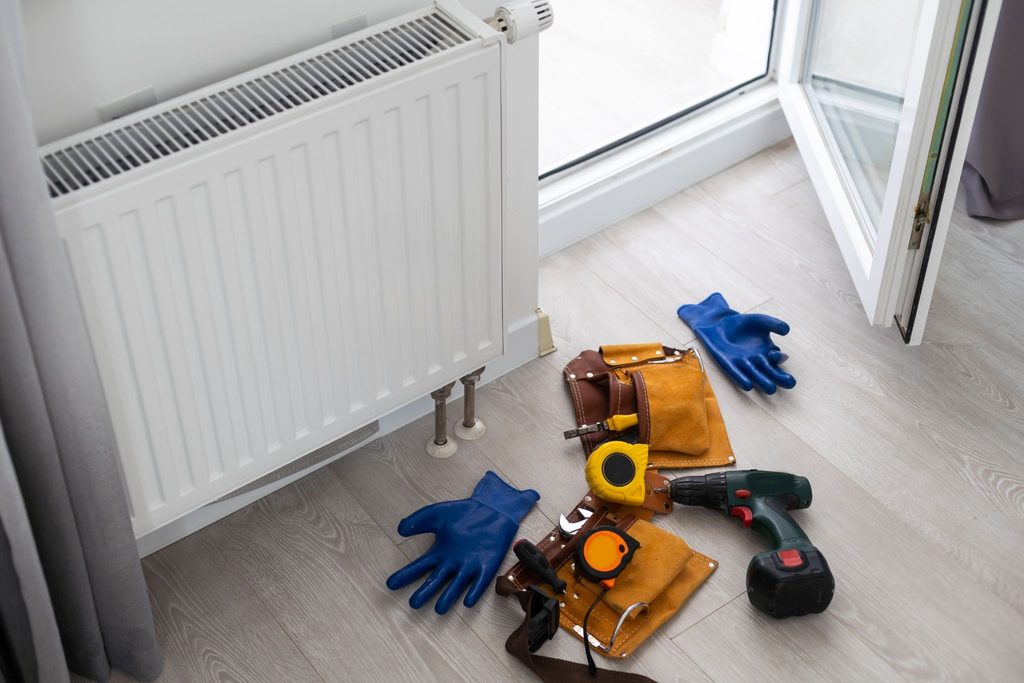
Once the owner approves the work, the technician completes the necessary repair. The service may involve adjustments, cleaning, wiring corrections, or component replacement. Afterward, the system should run through an operating cycle under observation. Testing confirms that the original problem has been corrected successfully. The technician may also check temperatures, airflow, controls, and safety functions. Final testing reduces the chance of leaving an unresolved problem behind.
Repairs for Different Heating Systems
Heating repair methods depend heavily on the equipment installed in the property. Furnaces, heat pumps, and boilers use different processes to provide indoor warmth. Each system also develops problems that require specific diagnostic knowledge. A technician should understand the equipment before attempting repairs or recommending replacement parts.
Furnace Repair Services
Furnaces can use gas, electricity, or other energy sources to produce heat. Common problems involve ignition systems, burners, heating elements, blowers, and controls. Weak airflow may point to a blower issue rather than heat production. Startup failures can involve sensors, electrical components, or ignition equipment. Gas-burning systems also require careful attention to combustion and safety controls. Furnace repairs should restore both reliable operation and proper system performance.
Heat Pump Repair Services
Heat pumps transfer heat rather than generate it through traditional combustion. Their operation depends on refrigerant flow, electrical components, coils, fans, and controls. Problems may affect heating performance in either heating or cooling mode, or both. Ice buildup, unusual cycling, and weak output can indicate several possible faults. Accurate testing matters because similar symptoms may come from different system components. A technician familiar with heat pumps can identify the cause before recommending repairs.
Boiler and Hydronic Heating Repairs
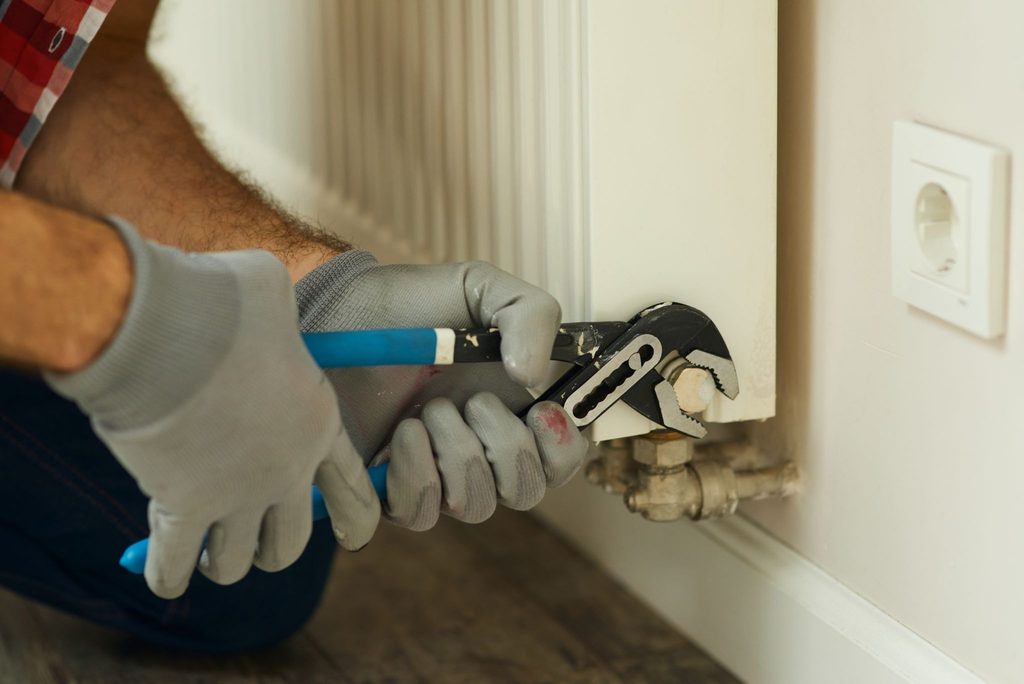
Boilers heat water that moves through radiators, baseboards, or radiant systems. Problems can involve pumps, valves, controls, pressure, or water circulation. Some issues cause uneven heating, while others create noises or system shutdowns. Leaks also require prompt attention because they can damage equipment and nearby materials. Technicians must consider both the boiler and the connected distribution system during diagnosis. Proper repairs restore circulation and help the system deliver heat more consistently.
How Much Do Heating Repairs Cost?
Heating repairs typically cost between $100 and $3,000, depending on the system and problem. Minor fixes usually fall near the lower end of the range. Major component failures can push costs above $1,000, especially when expensive parts require replacement. The final price also depends on labor rates, equipment age, accessibility, and emergency service needs.
Factors That Influence Repair Pricing
The failed component often has the greatest effect on the total repair cost. Labor requirements can increase when technicians need extensive testing or require access to difficult equipment. Older systems may require parts that are harder to locate or replace. Emergency service timing can also affect pricing in some situations. Additional damage may increase costs when an unresolved problem has affected other components. Property owners should request a clear explanation of charges before approving substantial work.
What a Repair Estimate Should Explain
A useful repair estimate should connect the recommended work to the diagnosed problem. Property owners should understand which component failed and why repair is necessary. The estimate may include labor, parts, and other applicable service charges. Some repairs may reveal additional issues after damaged components are removed. A reputable service provider should communicate significant changes before proceeding with extra work. Clear estimates make it easier to compare repair costs with the system’s overall condition.
Get Heating Repair Services Before Failure
Heating problems rarely remain isolated when strained equipment continues to operate. A delayed repair can turn a manageable fault into wider system damage. Professional heating repair services identify the cause and restore dependable operation with focused work. Prompt attention also gives property owners more control over timing and repair decisions. Schedule an inspection when performance changes occur, rather than waiting for the system to stop completely.
Make sense of heating problems before they become expensive surprises. Read the BeeCool 247 HVAC blog for clear advice on repairs, maintenance, and year-round HVAC care.