
Your HVAC system moves air through hidden ductwork every day, yet those passages rarely get much attention. Over time, dust, pet hair, renovation debris, and other materials can collect inside the system. Some buildup is normal, but excessive contamination may justify professional attention. Air duct cleaning services remove accumulated debris from accessible ductwork and related HVAC components using specialized equipment. Knowing when to invest in this service helps homeowners spend wisely and address genuine problems.
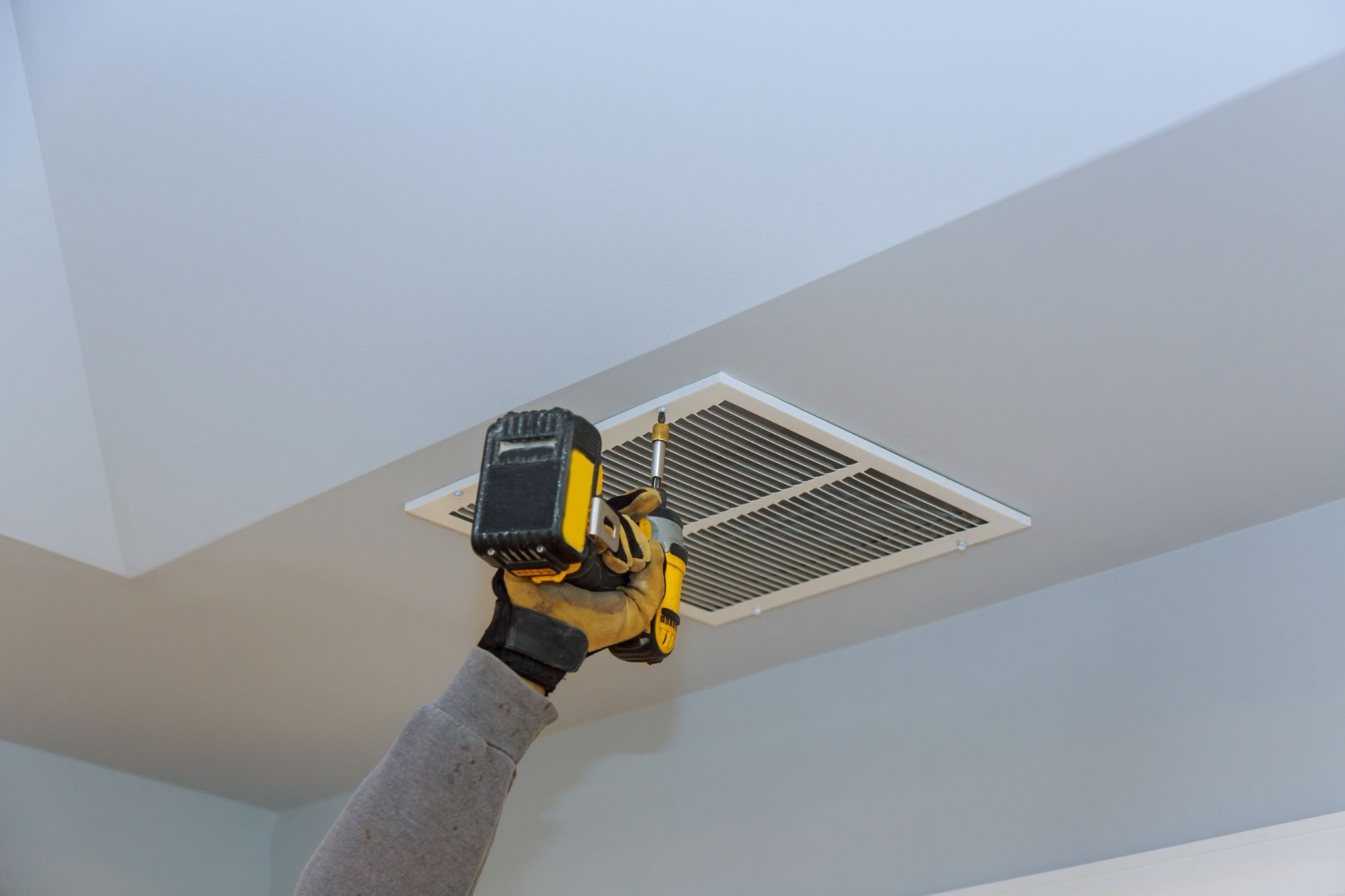
Professional duct cleaning reaches areas that normal household cleaning cannot easily access. The service targets accumulated material within ductwork and other appropriate parts of the air distribution system. A thorough approach focuses on removing contamination, not just cleaning visible vent covers.
Everyday activities continuously introduce particles into a home. Dust enters through open doors, clothing, shoes, pets, and outdoor air. Some particles settle inside supply and return ducts instead of remaining on visible surfaces. Renovations can add drywall dust, sawdust, and other construction debris to that buildup. Professional equipment loosens and collects deposits from areas ordinary vacuum attachments cannot effectively reach. Removing substantial accumulation leaves the air distribution system cleaner and easier to maintain.
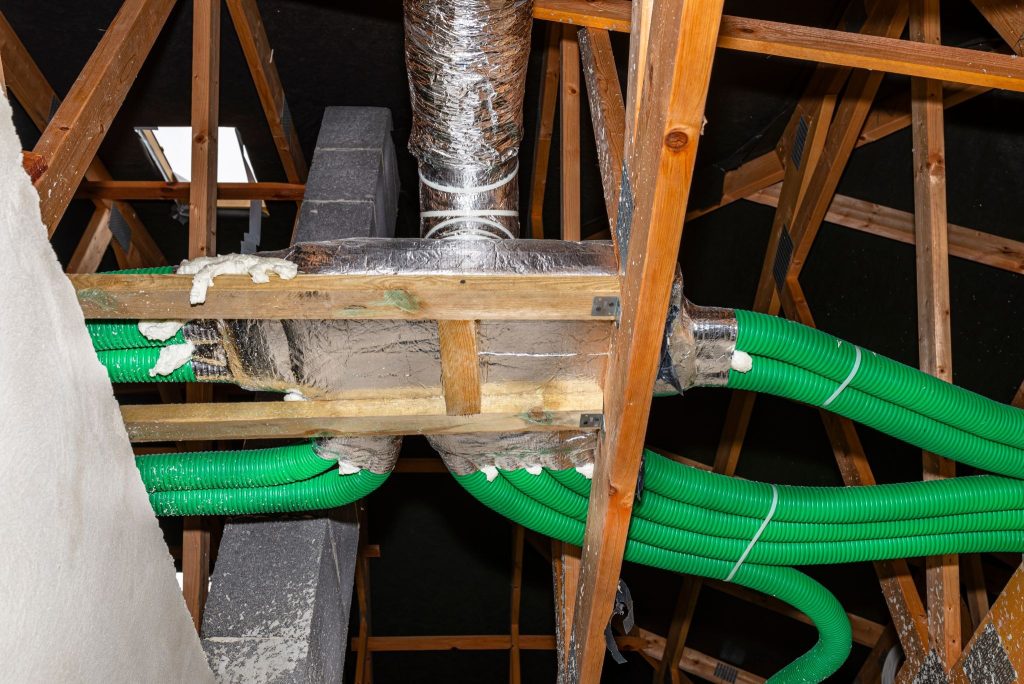
Wiping or vacuuming a register only addresses the material homeowners can see. Duct systems extend behind walls, beneath floors, and through other concealed areas. Professional technicians can reach deeper sections using equipment designed for HVAC cleaning. Depending on the system, cleaning may include supply ducts, return ducts, registers, grilles, and other accessible components. Different duct materials also require appropriate tools to prevent unnecessary damage. That broader approach separates professional duct cleaning from basic vent cleaning.
Not every home needs duct cleaning on a fixed schedule. The service provides greater value when an inspection reveals substantial debris or another identifiable problem. Visible contamination, pest activity, renovation dust, and moisture-related concerns are stronger reasons for professional attention.
A light coating of ordinary household dust does not automatically justify professional cleaning. Heavy deposits around registers or inside accessible ducts deserve closer attention. Debris coming from supply vents can also indicate material within the system. Homeowners may notice unusual accumulation after years of neglected HVAC maintenance. A professional inspection can determine how far the buildup extends before cleaning begins. That evidence helps homeowners avoid paying for services their ductwork may not need.
Home improvement projects can create far more airborne debris than normal household activities. Drywall work, sanding, demolition, and woodworking release fine particles that travel beyond work areas. Some material may enter HVAC returns when heating or cooling equipment operates during construction. Even careful cleanup cannot reach debris that has settled farther inside ductwork. An inspection after major renovations can reveal whether the system needs professional cleaning. Addressing confirmed construction debris also creates a cleaner starting point for future HVAC maintenance.
Rodents and insects sometimes enter ducts through gaps, damaged sections, or surrounding building spaces. They can leave nesting materials, waste, and other contamination behind. Address active infestations before anyone cleans the affected ductwork. Otherwise, pests may quickly contaminate the system again. Damaged entry points or duct sections may also require sealing, repair, or replacement. Coordinating pest control with HVAC service addresses the cause instead of cleaning only the evidence.
Indoor air quality depends on many factors, so duct cleaning cannot solve every air-related concern. Filtration, ventilation, humidity, housekeeping, and indoor pollutant sources also affect what people breathe. Still, contaminated ductwork can become one source of particles within the home’s air distribution system.
Air moving through a duct system may disturb loose material that has collected inside. Some disturbed particles can travel toward registers and surrounding rooms. Removing substantial deposits reduces one potential reservoir of household debris. However, cleaning ductwork does not stop new dust from entering the home. Regular vacuuming, surface cleaning, and appropriate filter replacement remain necessary afterward. Treating duct cleaning as part of broader home care creates more realistic expectations.
Clean ductwork alone does not guarantee clean indoor air. A clogged HVAC filter can still reduce filtration performance and collect excessive debris. High humidity can encourage moisture problems, while poor ventilation may allow indoor pollutants to linger. Cooking, pets, smoke, cleaning products, and outdoor particles can also affect indoor conditions. Homeowners should therefore investigate likely pollutant sources instead of assuming the ducts cause every concern. Duct cleaning works best when it addresses a documented problem within that larger indoor environment.
Moisture inside an HVAC system can create problems that ordinary dust removal cannot solve. Visible mold-like growth should prompt investigation of both the affected material and the moisture source. Cleaning without correcting that source can allow contamination to return.
Condensation, leaks, poor drainage, or excessive indoor humidity can introduce moisture near HVAC components. A qualified professional should determine why the area remains damp before recommending a lasting solution. Some surfaces may be suitable for cleaning once the moisture problem is corrected. Certain contaminated insulation or porous duct materials may require replacement instead. Homeowners should also request evidence before accepting claims about hidden mold. Correcting the underlying moisture problem makes any subsequent cleaning more worthwhile.
Claims about contamination should include clear evidence, not vague warnings. Photographs or video can help homeowners see conditions inside accessible portions of the system. Technicians should explain where the suspected problem appears and what may have caused it. They should also distinguish ordinary dust from conditions requiring additional attention. Clear documentation makes it easier to evaluate recommended cleaning, repair, or replacement work. It also reduces the pressure to approve expensive services without understanding why they are needed.
A well-maintained HVAC system needs adequate airflow to heat and cool a home effectively. Dirty filters, equipment problems, duct damage, and poor system design often affect performance more than ordinary duct dust. However, severe debris or an actual blockage can sometimes contribute to airflow problems.
Weak airflow does not automatically mean the ducts need cleaning. Clogged filters, closed dampers, disconnected ducts, or mechanical problems can produce similar symptoms. Significant debris matters when it physically restricts the air pathway. A technician should identify the cause before recommending cleaning. If an inspection confirms an obstruction, removing it can restore a clearer airflow path. Proper diagnosis prevents homeowners from paying for cleaning when a repair would address the real problem.
Duct cleaning and routine HVAC maintenance solve different problems. Maintenance usually focuses on filters, coils, electrical parts, drainage, and mechanical operation. Duct cleaning addresses accumulated contamination within the air distribution network and related accessible areas. One service should not replace the other when both are needed. Regular maintenance can also identify conditions that contribute to excessive debris or moisture. Together, appropriate maintenance and condition-based cleaning support a cleaner, better-managed HVAC system.
A professional service involves more than inserting a vacuum hose through a register. Technicians need controlled methods to loosen debris and collect it without spreading material throughout the home. The exact process varies with the duct system, its condition, and the equipment used.
A responsible technician should first learn why the homeowner requested the service. The inspection can identify visible buildup, damaged ductwork, moisture concerns, or other unusual conditions. It also helps determine which accessible HVAC components require attention. Technicians should explain their findings before expanding the original scope of work. Homeowners can then understand what the cleaning will address and what it cannot fix. Starting with inspection keeps the service focused on actual conditions rather than assumptions.
Household vacuums lack the reach and capacity required for an extensive duct network. Professional systems use stronger collection equipment and specialized tools to loosen appropriate deposits. Some methods create controlled negative pressure that helps capture disturbed debris during cleaning. Technicians may use brushes or other agitation tools suited to the duct material. They should also protect registers, floors, and surrounding living areas during the process. Proper equipment and containment help prevent loosened material from simply moving elsewhere in the home.
A completed cleaning should leave homeowners with a clear understanding of what technicians addressed. The service provider can review cleaned areas and explain any problems discovered during the work. Damage, moisture, or disconnected duct sections may require separate repairs rather than additional cleaning. Photos can help document conditions before and after service when practical. Homeowners should also receive guidance about filters or maintenance related to the findings. That final review turns the appointment into useful information for future HVAC care.
Homeowners sometimes treat duct cleaning and HVAC maintenance as interchangeable services. They overlap because both involve the heating and cooling system, but their purposes differ. Understanding that difference helps homeowners choose the service that matches the problem.
Professional duct cleaning primarily deals with unwanted material inside the air distribution system. That material may include substantial dust, construction debris, pest residue, or other confirmed contamination. Technicians focus on removing deposits from accessible areas included within the service scope. Cleaning does not repair a failing furnace or solve refrigerant problems. It also cannot correct poor duct design or damaged equipment. Its value comes from addressing contamination that cleaning equipment can actually remove.
Routine HVAC maintenance focuses more heavily on equipment condition and operation. A technician may inspect filters, coils, electrical connections, drainage, and other mechanical components. Maintenance can identify wear or developing problems before they cause larger disruptions. Filter replacement also helps capture particles before more material enters the system. Some households may need maintenance without needing duct cleaning. Choosing each service for its intended purpose prevents unnecessary spending and improves overall system care.
Reliable consumer guidance supports a condition-based approach rather than automatic cleaning for every household. The U.S. Environmental Protection Agency advises homeowners to consider duct cleaning when substantial contamination or specific problems exist. Industry guidance can also help consumers understand proper cleaning practices and what to expect from a service.
The Environmental Protection Agency does not recommend routine air duct cleaning simply because a certain number of years have passed. Instead, its consumer guidance identifies circumstances that may justify professional attention. These include substantial visible mold growth, pest infestation, and excessive amounts of dust or debris under certain conditions. The agency also emphasizes correcting moisture problems when microbial growth becomes a concern. That guidance supports inspecting the system before automatically scheduling cleaning. Homeowners can use these principles to separate legitimate needs from unnecessary service recommendations.
The National Air Duct Cleaners Association provides industry information about HVAC inspection and cleaning practices. Its resources can help consumers understand what professional source-removal cleaning may involve. Industry standards are especially useful when comparing the methods different companies propose. However, homeowners should still consider their property’s actual conditions before authorizing service. Credentials and professional practices matter, but they don’t automatically mean every duct system needs cleaning. Combining credible guidance with property-specific evidence leads to a more informed decision.
Hidden duct problems rarely improve when left unattended. If buildup, renovation debris, pests, or contamination raises concerns, a professional inspection can provide clear answers. Quality air duct cleaning services target confirmed problems instead of selling unnecessary work. Choose an experienced provider that offers transparent findings, practical recommendations, and service focused on your home’s actual needs.
Keep your HVAC knowledge current with practical guidance from the Bee Cool blog. Explore helpful articles on maintenance, efficiency, indoor comfort, and system care.