
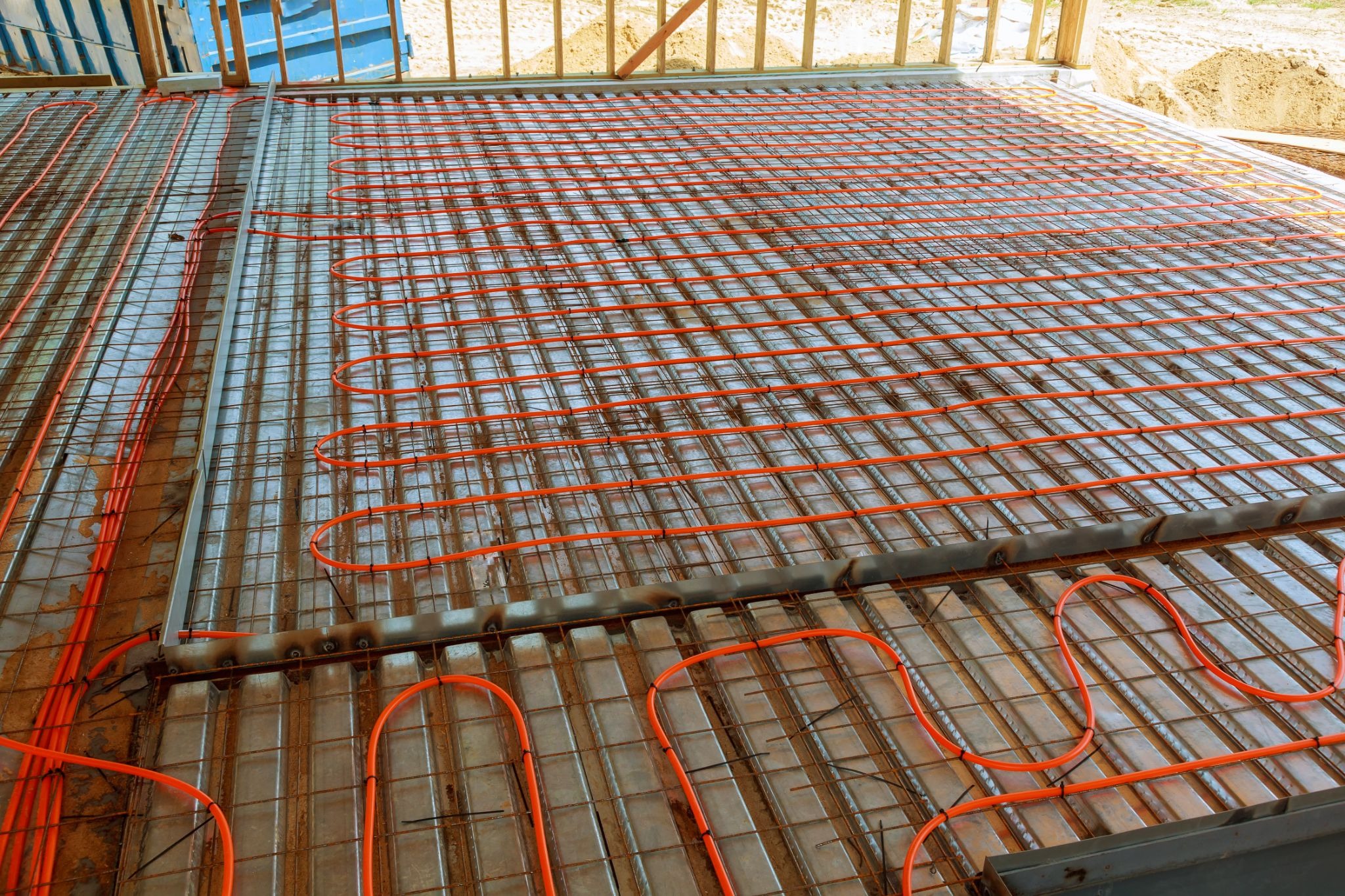
Heating and cooling costs can strain household budgets, especially during extreme seasonal temperatures. Traditional HVAC systems often use a lot of energy to keep indoor conditions comfortable. Geothermal systems offer another approach, using underground temperatures to heat and cool buildings efficiently. Unlike conventional equipment, these systems exchange heat with the earth rather than relying entirely on outdoor air. Understanding how they work, their benefits, and installation requirements can help homeowners make informed decisions about long-term comfort.
A geothermal system is an energy-efficient heating and cooling solution that uses the earth’s relatively stable underground temperatures. It transfers heat between a building and the ground through specialized equipment and underground piping. Most residential systems use a geothermal heat pump to provide heating, cooling, and sometimes hot water. They operate differently from geothermal power plants, which use underground heat to generate electricity.
Ground temperatures stay more consistent year-round than outdoor air temperatures. Several feet below the surface, seasonal temperature changes become less pronounced. Geothermal equipment uses these conditions to exchange heat efficiently. During winter, the system extracts heat from the ground and delivers it indoors. In summer, it removes indoor heat and transfers it underground. The result is dependable temperature control without relying on combustion for heating.
Conventional furnaces typically generate heat through fuel combustion or electrical resistance. Air conditioners move indoor heat outside, where summer temperatures can reduce cooling efficiency. Geothermal heat pumps also move heat, but they exchange energy with the ground. The more stable underground environment reduces the temperature difference the equipment must overcome. As a result, geothermal systems can use less electricity for comparable heating and cooling needs. However, their underground installation requirements make them more expensive to install than many conventional systems.
Geothermal heating and cooling rely on heat transfer rather than combustion to produce heat. A heat pump circulates refrigerant internally while underground piping carries water or an antifreeze solution. These components work together to move thermal energy between the building and surrounding earth. The direction of heat transfer changes depending on the indoor temperature requirements.
During winter, the ground usually contains more usable heat than the cold outdoor air. Fluid circulating through underground pipes absorbs thermal energy from the surrounding soil or rock. The geothermal heat pump transfers that energy into its refrigerant circuit. A compressor raises the refrigerant’s temperature so it can heat indoor air or water. The building’s distribution system then delivers warmth throughout the occupied spaces. Electricity powers the compressor, pumps, and fans, but the system draws much of its heating energy underground.
During summer, the geothermal system reverses its heating operation to remove unwanted indoor heat. Warm indoor air passes through equipment that transfers its heat into the refrigerant circuit. The heat pump then moves that energy into the underground fluid loop. Circulating fluid carries the collected heat into the cooler surrounding ground. The earth absorbs the transferred energy, allowing the cooling cycle to continue. Under suitable operating conditions, this approach can reduce electricity consumption compared with conventional air conditioning.
Underground piping connects the heat pump to the earth. Most residential ground loops circulate water or an approved antifreeze mixture through sealed pipes. The circulating fluid collects or releases heat without directly mixing with groundwater. Proper pipe sizing and installation help maintain efficient year-round heat transfer. Soil conditions, moisture, and underground temperatures influence how effectively the loop exchanges energy. Professional system design accounts for these factors before installation begins.
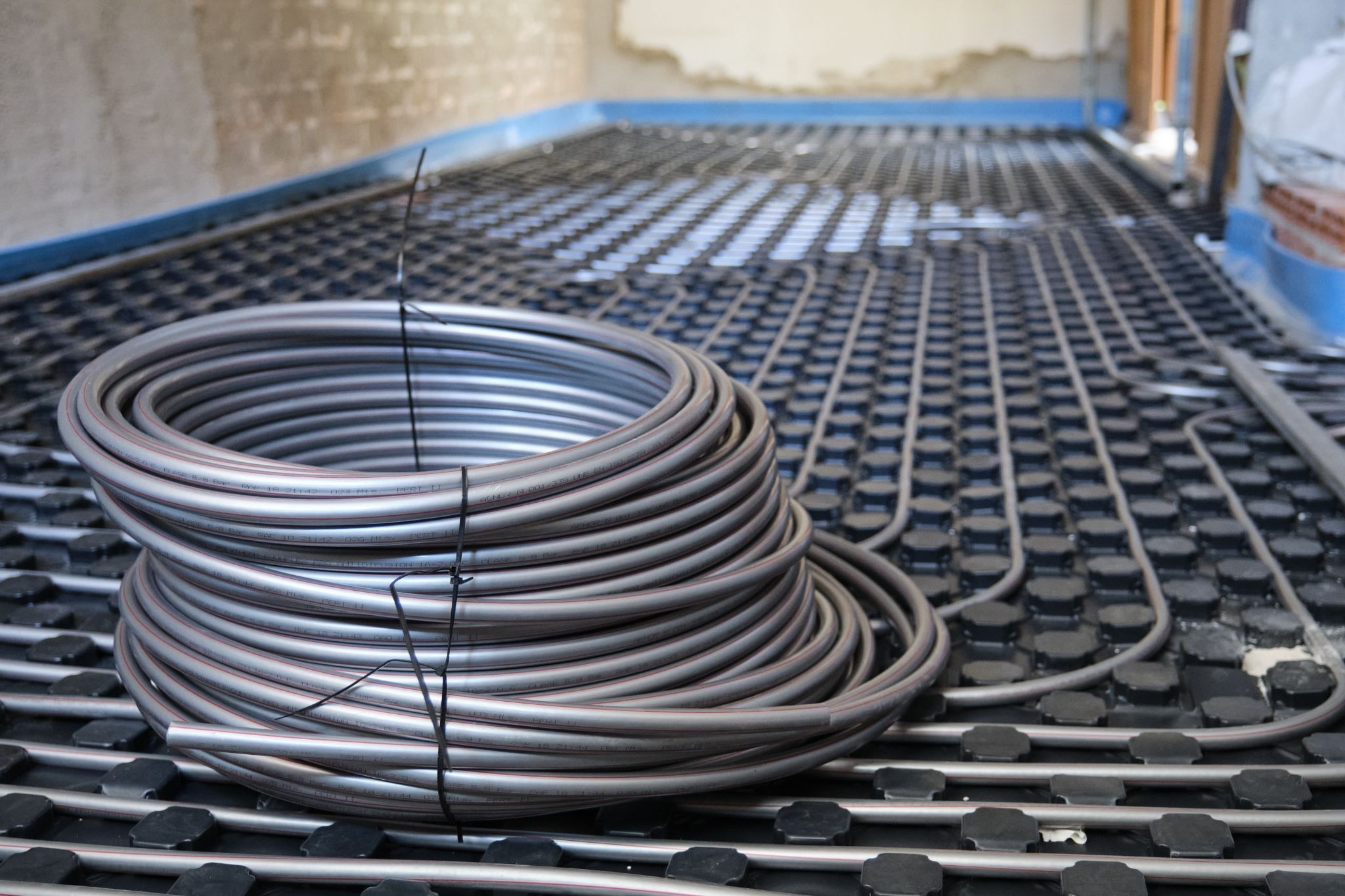
A geothermal installation combines underground infrastructure with mechanical equipment inside the building. Each component performs a specific function within the heating and cooling cycle. The equipment must operate together to deliver consistent temperatures and reasonable energy consumption. Understanding these parts also helps homeowners recognize maintenance needs and potential system problems.
The heat pump is the geothermal system’s central mechanical component. It contains a compressor, heat exchangers, refrigerant, and controls that manage heating and cooling. The equipment transfers thermal energy between the underground loop and the indoor distribution system. Unlike a furnace, it doesn’t burn fuel to produce heat. Many models also support domestic hot water production through an optional heat recovery feature. Proper equipment sizing helps prevent excessive cycling, uncomfortable temperatures, and unnecessary electricity consumption.
The ground loop consists of durable pipes installed beneath the property’s surface. These pipes carry circulating fluid between the heat pump and the underground heat exchange area. Installers commonly use high-density polyethylene piping because it resists corrosion and underground deterioration. The loop’s length and configuration depend on heating loads, cooling demands, and available space. Proper installation helps maintain fluid circulation and reliable thermal performance for years. Once installed, most ground loops require little routine attention compared with indoor mechanical equipment.
Geothermal heat pumps must connect to equipment that distributes conditioned air or water indoors. Forced-air systems use ductwork and fans to deliver heated or cooled air. Water-to-water geothermal systems can serve compatible radiant floors and other hydronic heating equipment. Thermostats and system controls regulate operation according to the building’s temperature requirements. Properly designed distribution equipment supports consistent comfort across different rooms and occupied areas. Homeowners may need to modify existing ductwork when they replace older heating and cooling equipment.
Geothermal systems use several underground loop arrangements to accommodate different properties. The appropriate design depends on land availability, geology, groundwater conditions, and installation costs. Most residential installations use closed-loop systems that continuously recirculate the same fluid. Open-loop configurations offer another option when suitable groundwater resources and regulations permit.
Horizontal loops use underground trenches to accommodate heat-exchange piping. Installers generally place the pipes below the local frost depth when applicable. This configuration often suits properties with enough accessible land for excavation. Horizontal installation can cost less than drilling vertical boreholes when site conditions are favorable. However, landscaping, underground utilities, and existing structures may limit where trenches can be placed. Contractors must evaluate soil conditions and available space before recommending a horizontal layout.
Vertical systems use deep boreholes rather than extensive horizontal trenches. Installers lower piping into drilled holes and connect the underground circuits to the heat pump. This configuration suits properties with limited yard space or challenging surface conditions. Vertical loops often experience relatively stable underground temperatures because they are deeper. However, specialized drilling equipment and local geology can increase installation costs. Proper borehole construction also protects groundwater resources and supports long-term heat exchange performance.
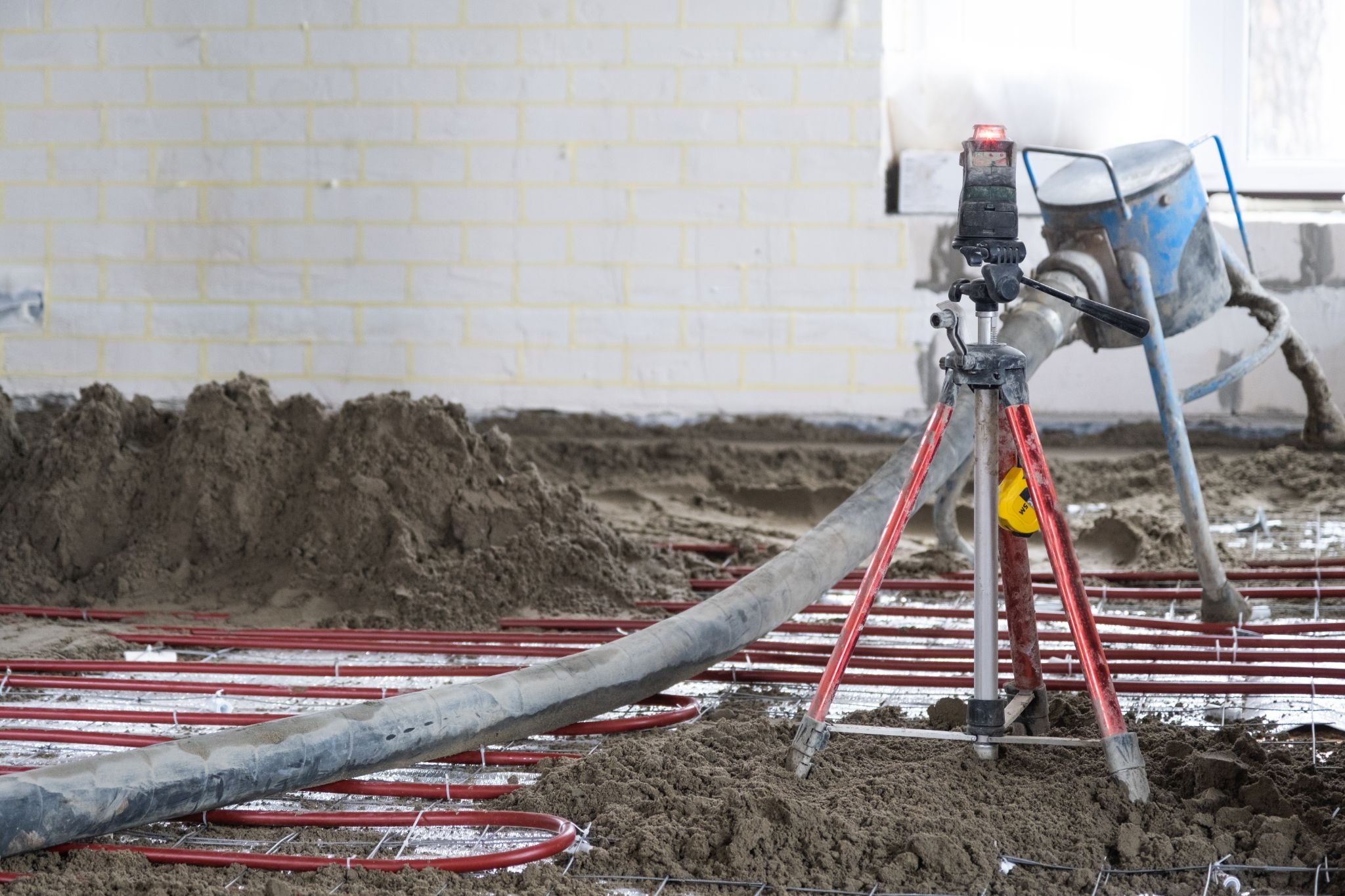
Properties with suitable water features may support submerged closed-loop piping. These systems exchange heat with surrounding water while keeping the circulating fluid contained. Open-loop systems operate differently because they draw groundwater directly into the heat exchange process. Under applicable regulations, the water typically passes through equipment before discharge or reinjection. Water quality, available flow, and environmental requirements determine whether an open-loop installation is practical. A professional assessment is necessary because these designs involve additional water-resource considerations.
Geothermal technology offers several advantages beyond providing indoor heating and cooling. Its efficiency comes from exchanging heat with a relatively stable underground environment. Homeowners may also benefit from quieter operation, lower maintenance needs, and a longer equipment service life. Actual results depend on system design, installation quality, climate, and building characteristics.
Geothermal heat pumps can deliver several units of heating energy for each unit of electricity consumed. Their efficiency can reduce operating costs compared with many conventional heating and cooling systems. Savings vary according to electricity rates, existing equipment, and household temperature preferences. Buildings with high heating or cooling demands may see greater opportunities for energy savings. However, inefficient ductwork and poor insulation can reduce the benefits of advanced equipment. A detailed energy assessment provides a more reliable estimate than general efficiency claims.
Geothermal heat pumps generally operate indoors, protecting their mechanical components from outdoor weather exposure. With proper maintenance, indoor heat pump equipment often lasts around 20 years or longer. When installed correctly, underground loop systems can remain functional for 50 years or more. Actual service life depends on materials, operating conditions, and installation quality. Geothermal systems also eliminate the outdoor condenser noise associated with many conventional air conditioners. These characteristics can appeal to homeowners planning long-term property improvements.
Geothermal heat pumps use electricity to move existing thermal energy rather than burn fuel onsite. Their high efficiency can reduce overall energy consumption and associated greenhouse gas emissions. Environmental benefits depend partly on how the electricity powering the equipment is generated. A cleaner electrical grid can further improve the system’s emissions performance over time. Properly installed closed loops also minimize direct interaction with underground water resources. Responsible refrigerant handling and professional maintenance help limit additional environmental impacts.
Geothermal installation usually requires a larger initial investment than conventional HVAC replacement. Expenses include the heat pump, underground loop construction, labor, and indoor distribution modifications. Property conditions and equipment capacity can create substantial differences between project estimates. Evaluating lifetime ownership costs helps homeowners understand the financial trade-offs.
Complete residential geothermal installations often cost approximately $15,000 to $40,000 or more. Actual pricing depends on system capacity, drilling requirements, labor rates, and property access. Vertical boreholes can increase expenses when drilling conditions are difficult or equipment access is restricted. Existing ductwork may also require upgrades to support proper airflow and comfort. Electrical improvements, permits, and landscaping restoration can add further project costs. Homeowners should request itemized estimates that explain equipment specifications and underground installation requirements.
A geothermal system’s payback period depends on installation costs and annual operating savings. Replacing expensive electric resistance heating may produce different savings than replacing an efficient heat pump. Local utility rates and seasonal heating demand also affect the financial results. Available incentives may reduce upfront expenses, although eligibility and program rules can change. Homeowners should verify current incentives before including them in their financial calculations. Comparing projected ownership costs over several years gives a clearer picture than focusing only on the purchase price.
Not every property can accommodate the same geothermal loop configuration. Yard size, soil composition, groundwater conditions, and underground obstacles affect whether installation is feasible. Contractors also consider building heat loss, cooling loads, and available space for equipment. Local permits may regulate drilling depth, groundwater use, and underground construction practices. An experienced installer evaluates these conditions before selecting equipment and designing the ground loop. A thorough site assessment helps prevent costly design changes during construction.
Geothermal systems require routine maintenance, even though their underground components are durable. Most service work focuses on the indoor heat pump and distribution equipment. Regular inspections help identify developing problems before they affect comfort or efficiency. Homeowners can support reliable operation through basic upkeep and scheduled professional servicing.
Air filters need regular inspection and replacement per the manufacturer’s recommendations. Dirty filters restrict airflow and can reduce heating and cooling performance. Technicians should also inspect electrical connections, condensate drainage, controls, and heat pump operation. Ground loop pressure and circulation performance may require periodic professional checks. Hydronic systems also require additional maintenance for pumps, valves, and fluid conditions. Following the manufacturer’s service schedule helps protect equipment performance and long-term reliability.
Choosing the right heating and cooling system starts with understanding your property’s needs and long-term costs. A professional geothermal assessment can identify suitable installation options and realistic energy savings. Exploring your options early gives you more flexibility to plan improvements without rushing important decisions.
Looking for practical ways to improve home comfort and energy efficiency? Visit the Bee Cool blog for helpful HVAC tips, maintenance advice, and insights into modern heating and cooling solutions.