
An aging air conditioner can turn a comfortable home into a frustrating place when the weather heats up. Rising energy bills and uneven cooling often signal problems routine maintenance can’t fix. Frequent repairs can also become expensive, especially when an older system struggles to maintain comfortable temperatures. Replacing your cooling system can improve comfort while reducing unnecessary energy use. Understanding the replacement process helps homeowners choose suitable equipment and avoid costly installation mistakes.
Air conditioners gradually lose efficiency as components wear and cooling demands increase. Some systems keep running for years despite poor performance and excessive electricity use. Recognizing early warning signs helps homeowners decide when repairs no longer make financial sense. Several common problems can indicate that a cooling system needs replacement rather than another repair.
Most central air conditioners last approximately 10 to 15 years, although maintenance affects their lifespan. Older equipment often requires more electricity to deliver the same cooling performance. Internal components also become harder to repair as manufacturers discontinue certain replacement parts. A well-maintained unit may operate longer, but age still increases the likelihood of mechanical problems. Homeowners should consider replacement when aging equipment develops recurring issues or noticeably loses efficiency. Scheduling a professional inspection can help determine whether the system still has useful operating life.
Occasional repairs are normal, particularly after several years of regular operation. However, repeated service calls can make an aging air conditioner increasingly expensive to maintain. Compressor failures and major refrigerant leaks often require substantial repair investments. These expenses become harder to justify when other components also show significant wear. Comparing repair estimates against replacement costs helps homeowners evaluate their options more realistically. A newer system may offer better long-term value when expensive repairs only provide temporary relief.
A properly functioning air conditioner should maintain reasonably consistent temperatures throughout the home. Persistent hot spots may indicate declining performance, airflow restrictions, or improper equipment sizing. Some rooms might remain uncomfortable even when the system operates continuously. However, ductwork problems and poor insulation can produce similar symptoms without requiring equipment replacement. A technician should inspect these conditions before recommending a new cooling unit. Fixing the underlying problem helps prevent uneven temperatures after installation.
Selecting replacement equipment involves more than comparing brands and advertised cooling capacity. Homes vary in layout, insulation, and temperature needs, which affect how well equipment performs. The right system delivers dependable cooling without wasting energy or adding excess humidity. Understanding available cooling options makes conversations with HVAC contractors more productive.
Central air conditioners distribute cooled air through ducts connected to vents throughout the home. These systems work particularly well in properties with well-maintained ductwork. Modern models offer improved efficiency and more advanced temperature controls than many older units. However, damaged or poorly designed ducts can reduce performance even after you replace the equipment. Contractors should inspect the duct system before installing a new central air conditioner. Proper installation allows conditioned air to reach occupied spaces with fewer unnecessary losses.
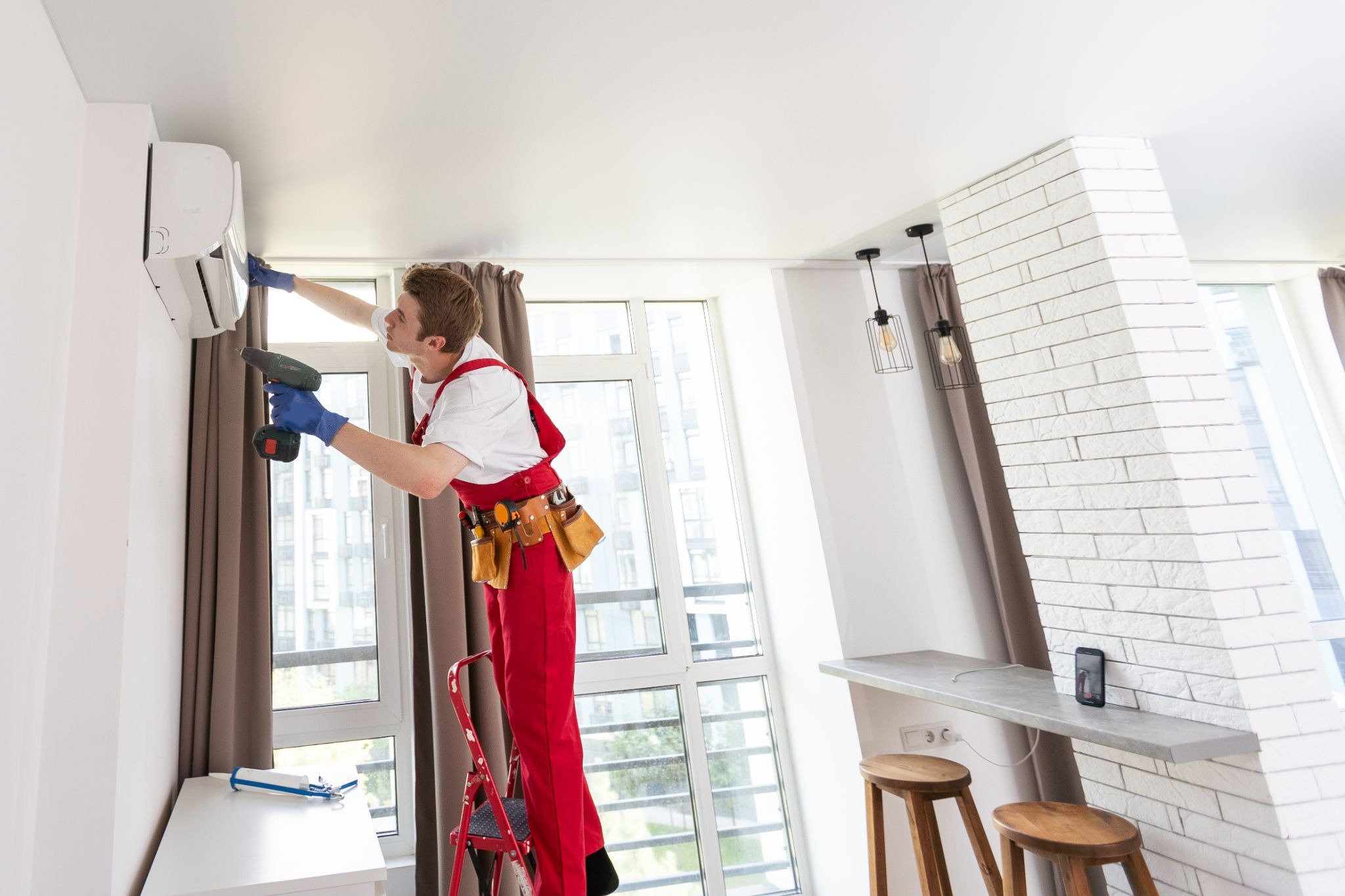
Ductless mini-splits provide cooling without traditional air-distribution ducts. They typically include an outdoor unit connected to one or more indoor air handlers. Individual temperature controls allow occupants to adjust cooling in different rooms or zones. These systems can suit additions, converted garages, and homes without existing ductwork. Installation requires careful equipment placement and properly sized refrigerant connections for reliable operation. Homeowners should also consider indoor unit appearance, installation costs, and available mounting locations.
Heat pumps provide cooling during warm weather and heating when temperatures drop. They transfer heat rather than generating it through conventional electric resistance heating. Many modern systems operate efficiently across a wide range of outdoor temperatures. However, heating performance and equipment requirements vary by local climate. A qualified contractor can recommend suitable models and determine whether you need supplemental heating. Choosing the right heat pump can simplify year-round temperature control.
Cooling efficiency directly affects electricity consumption and long-term operating expenses. Modern air conditioners use improved compressors, controls, and refrigerants to deliver better performance. However, efficiency ratings alone cannot predict actual savings in every home. Equipment sizing, installation quality, and household cooling habits also influence operating costs.
SEER2 measures seasonal cooling efficiency under updated equipment testing procedures. Higher SEER2 ratings generally indicate better cooling efficiency under standardized testing conditions. However, actual energy savings depend on climate, usage patterns, and installation quality. Higher-rated equipment also commonly costs more than basic models with lower efficiency ratings. Homeowners should compare potential electricity savings with the added upfront cost. A contractor can explain which efficiency levels make financial sense for specific cooling needs.
Traditional single-stage air conditioners generally run at one cooling output. Variable-speed systems adjust compressor operation to match better changing cooling demands. These adjustments can reduce temperature fluctuations and improve humidity management during normal operation. They may also operate more quietly than equipment that frequently starts and stops. However, advanced components can increase purchase prices and certain repair expenses. Comparing comfort benefits and lifetime costs helps determine whether variable-speed technology justifies its price.
An air conditioner must match the home’s cooling requirements to perform efficiently. Larger equipment does not automatically deliver better comfort or lower electricity bills. Improper sizing can increase equipment wear and create uncomfortable indoor conditions. Professional load calculations provide a more reliable basis for selecting replacement capacity.
An oversized air conditioner may cool indoor air before it can complete an effective dehumidification cycle. Frequent starts and stops can also unnecessarily wear out electrical and mechanical components. Temperature fluctuations may become noticeable as the system repeatedly cycles on and off. These problems can reduce comfort even when the equipment has more than enough cooling capacity. Choosing a larger replacement based on square footage alone can lead to costly complications. Accurate sizing helps balance cooling performance, humidity control, and equipment operating cycles.
Professional contractors use detailed calculations to estimate the home’s cooling requirements. ACCA Manual J provides an established method for evaluating residential heating and cooling loads. The assessment considers insulation, windows, air leakage, occupancy, and other relevant building characteristics. Contractors also account for local design temperatures and the home’s orientation. These findings help determine suitable equipment capacity instead of relying on the previous unit’s size. A documented calculation gives homeowners greater confidence in the proposed replacement system.
Replacing an air conditioner requires careful preparation, technical expertise, and proper system testing. The process involves more than removing old equipment and connecting a newer model. Refrigerant handling and electrical work require trained professionals who follow applicable safety requirements. Understanding the installation sequence helps homeowners prepare for the appointment and recognize quality work.
A technician usually begins by inspecting the current air conditioner and its connected components. The evaluation may include ductwork, electrical connections, refrigerant lines, and drainage arrangements. Contractors should also identify airflow problems that could affect the replacement system. Existing equipment measurements help determine which installation modifications may be necessary. This assessment allows the contractor to prepare an accurate scope of work and estimate. Homeowners can discuss comfort concerns before the technician finalizes equipment recommendations.
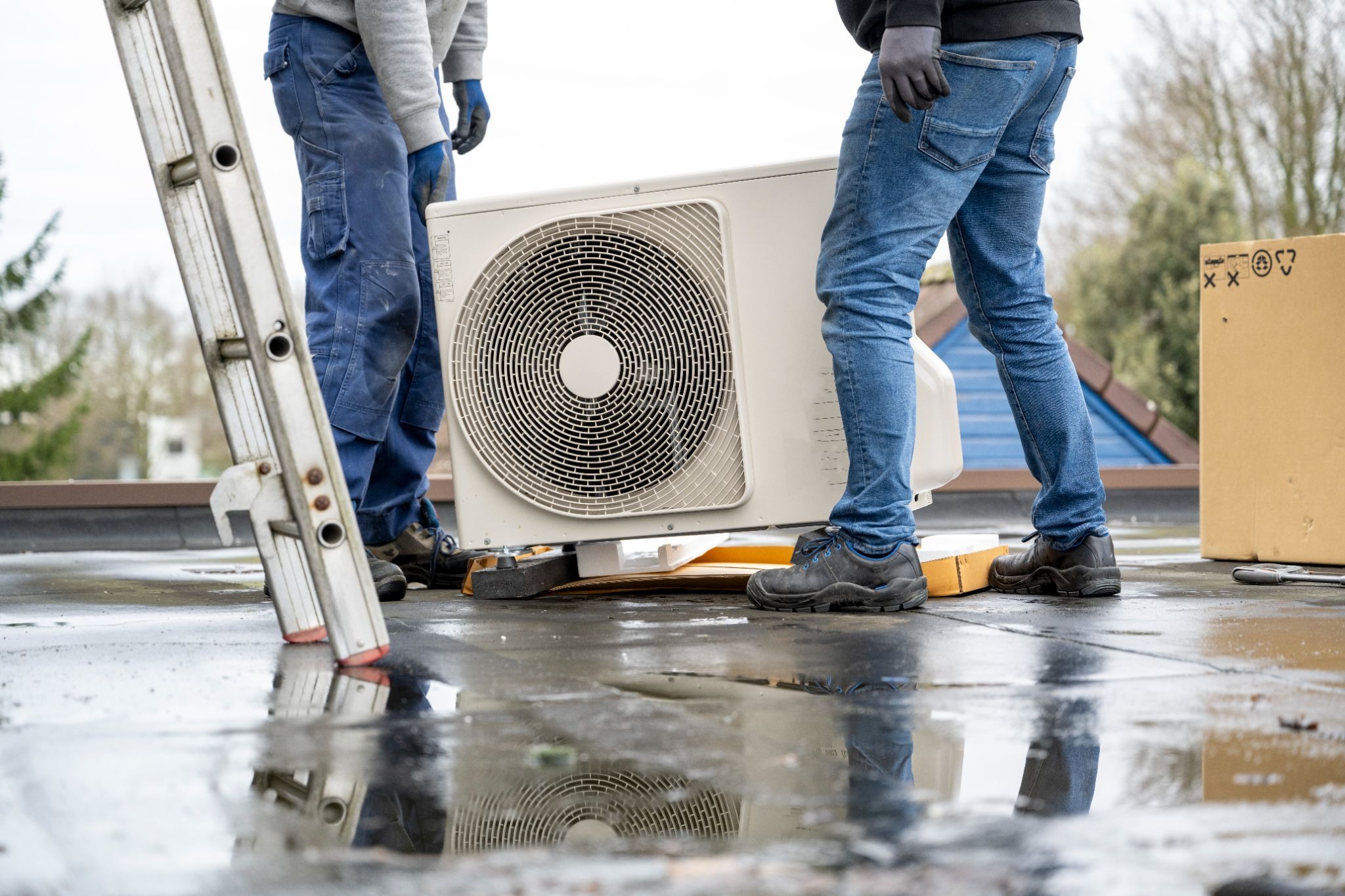
The installation team disconnects electrical connections before removing the existing cooling equipment. Technicians must recover refrigerant using approved procedures rather than releasing it into the atmosphere. They then disconnect necessary refrigerant lines and remove the outdoor and indoor components being replaced. Some installations require modifications to equipment supports, drainage connections, or nearby piping. The contractor should protect surrounding surfaces and dispose of removed equipment appropriately. Careful removal creates the conditions needed to install and connect the replacement system.
Technicians position the new equipment and connect the required electrical and refrigerant components. They also inspect or modify drainage connections to support proper condensate removal. Refrigerant lines require pressure testing, evacuation, and charging per manufacturer specifications. After installation, technicians check airflow, thermostat operation, and system performance under operating conditions. They should explain maintenance requirements and demonstrate the new controls before leaving. Proper commissioning helps identify installation problems before they affect comfort or equipment reliability.
Air conditioning manufacturers are introducing newer refrigerants with lower environmental impacts than older alternatives. These changes affect equipment compatibility, installation requirements, and future maintenance considerations. Homeowners replacing older cooling systems may encounter unfamiliar refrigerant types when comparing available models. Understanding these differences helps them choose suitable equipment and avoid installation complications.
Many newer air conditioners use R-32 or R-454B instead of the widely used R-410A. These refrigerants have lower global warming potential, reducing their environmental impact if released into the atmosphere. However, they have different operating characteristics and require equipment designed specifically for them. Both refrigerants are classified as A2L, indicating lower flammability than many other flammable refrigerants. Manufacturers incorporate safety features and installation requirements to address their specific properties. Homeowners should confirm which refrigerant their replacement system uses before approving the installation.
New refrigerants cannot simply replace older refrigerants in existing air conditioning equipment. Compressors, evaporator coils, and other components must meet the selected refrigerant’s requirements. Using an incompatible refrigerant can damage equipment and create serious safety concerns. Existing refrigerant lines may also require inspection, cleaning, or replacement before installation. Contractors must follow manufacturer specifications and applicable safety codes when connecting the new system. Confirming compatibility beforehand helps prevent expensive modifications and performance problems after installation.
Refrigerant selection can influence maintenance procedures and repair requirements throughout an air conditioner’s lifespan. Technicians servicing A2L systems need appropriate training, tools, and safety procedures. Replacement components must also match the equipment’s refrigerant specifications to maintain proper operation. Older refrigerants may become more expensive or less readily available as production restrictions increase. However, existing systems can generally continue operating and receiving service under applicable regulations. Choosing a qualified HVAC contractor helps homeowners prepare for future maintenance without unnecessary replacement expenses.
Waiting until your air conditioner breaks down can leave you facing unexpected expenses and limited replacement options. Planning gives you time to compare systems, understand installation costs, and choose equipment that meets your needs. A professional HVAC assessment can help you avoid rushed decisions and costly mistakes. Schedule your air conditioning replacement before recurring problems compromise your comfort and budget.
Get more from your cooling system with expert guidance from the Bee Cool blog. Discover useful articles on air conditioning care, common AC problems, and ways to improve home comfort.