
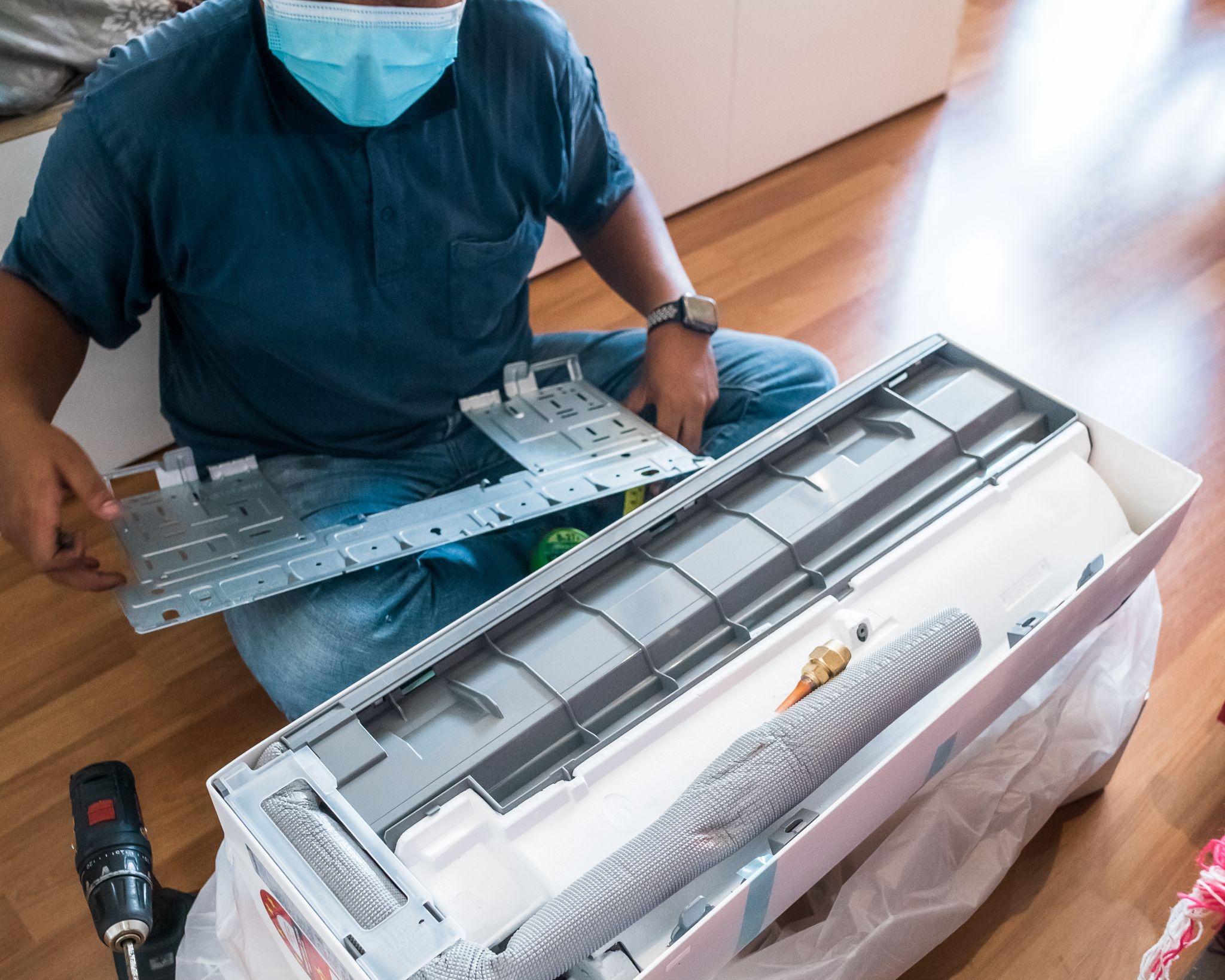
Your air conditioner rarely warns you before a small problem becomes an expensive repair. Unfortunately, breakdowns often happen during hot weather, when cooling systems face their heaviest workloads. Choosing the right time for maintenance can reduce that risk while keeping household comfort more predictable. Seasonal timing also affects appointment availability, maintenance costs, system performance, and your ability to address developing problems. A well-timed service visit gives homeowners more control before extreme temperatures put their equipment under pressure.
Air conditioners experience changing demands as outdoor temperatures rise and fall throughout the year. Maintenance timing determines whether technicians can identify problems before heavy cooling periods begin. Strategic scheduling also gives homeowners more flexibility when repairs or replacement parts are needed. Understanding these seasonal differences makes annual cooling system maintenance easier to plan around household needs.
Cooling equipment can develop minor issues during months when homeowners barely notice performance changes. A worn capacitor, loose connection, or dirty coil may continue working under moderate conditions. Problems often become more noticeable when high temperatures force equipment to run longer. A preseason inspection gives technicians time to locate weaknesses before sustained cooling demand arrives. Homeowners can then schedule necessary repairs without waiting for a complete system failure. Preventive attention also reduces the chance of losing cooling during uncomfortable stretches of hot weather.
HVAC companies often receive more repair requests when temperatures suddenly climb during summer. Emergency calls can fill technician schedules quickly, leaving fewer convenient openings for routine maintenance appointments. Homeowners who schedule early usually have more flexibility in choosing appointment dates and service windows. Extra scheduling flexibility also helps families avoid rearranging work, school, or other household commitments. Technicians may have more time for thorough inspections outside periods dominated by urgent breakdown calls. Planning therefore makes the service process easier for homeowners and their HVAC providers.
The timing of AC maintenance can shape how smoothly your cooling system handles seasonal demand. Certain periods provide better conditions for inspections, testing, cleaning, and planned repairs. Scheduling before heavy use also gives homeowners more flexibility when technicians identify developing equipment concerns. Several seasonal factors can help determine the best time to schedule professional service.
Spring provides favorable conditions for preparing an air conditioner before summer places heavier demands on it. Moderate temperatures make temporary cooling interruptions easier for most households to manage. Technicians can also address winter-related damage before the outdoor unit begins operating every day. These advantages make spring a practical period for preventive cooling system maintenance.
Early spring often arrives before homeowners begin running their cooling equipment for extended periods. Scheduling during this window limits disruptions to household comfort and everyday routines. HVAC companies may also have more appointment availability before the first major heat wave. Greater flexibility helps homeowners coordinate repairs when technicians discover worn or damaged components. Replacement parts can arrive before dependable air conditioning becomes a daily household need. Early scheduling also provides time to compare repair options without making rushed decisions during extreme heat.
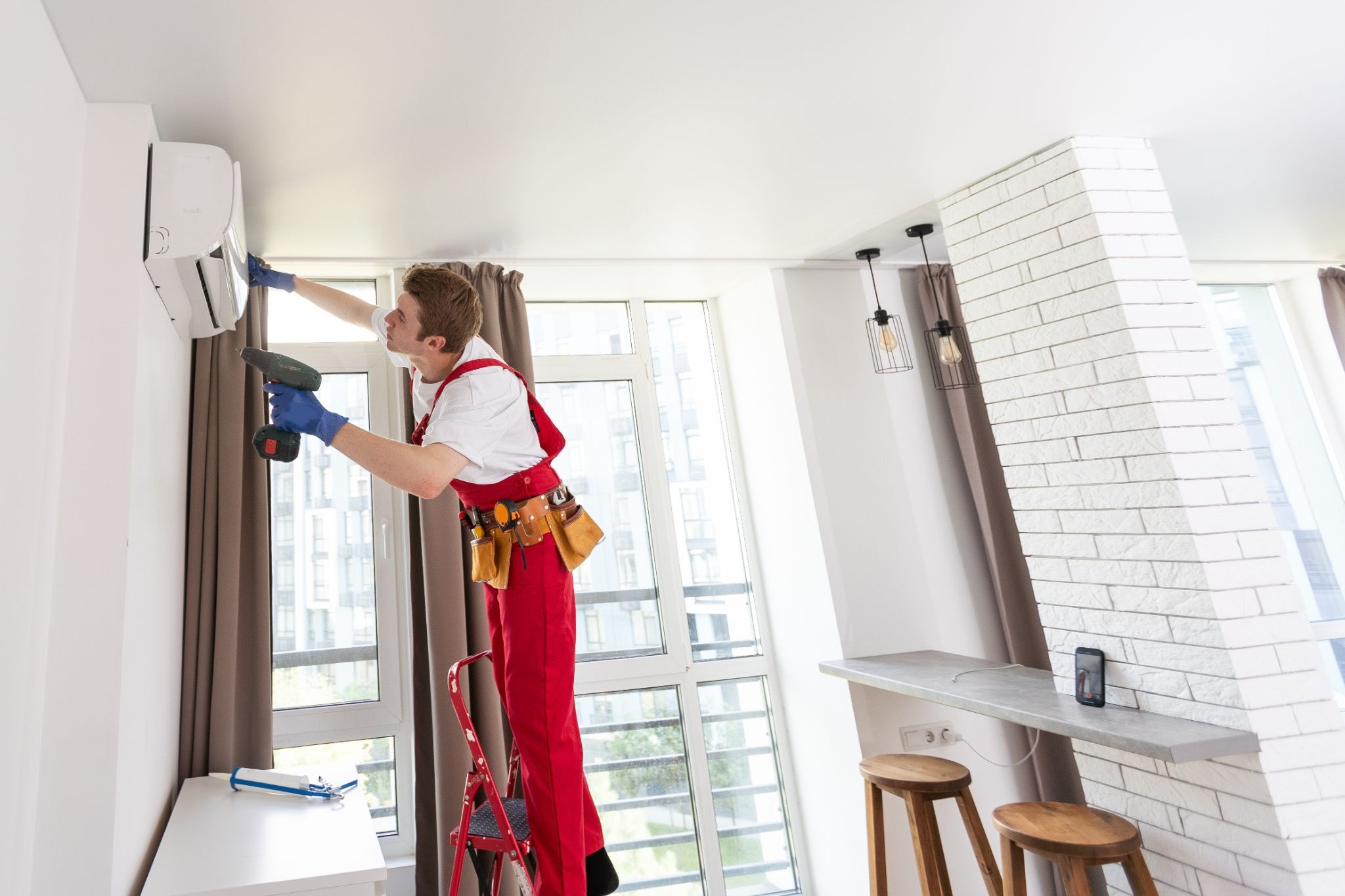
An air conditioner can collect dirt and debris while sitting unused throughout much of winter. Outdoor coils may accumulate leaves, dust, grass, and other debris that restricts normal airflow. A technician can clean important components and inspect connections before cooling demand increases. Service may also uncover drainage problems, electrical wear, refrigerant concerns, or damaged line insulation. Addressing these conditions prevents unresolved maintenance issues from carrying into heavier operating periods. A prepared cooling system can respond more reliably as outdoor temperatures continue rising.
Homeowners don’t always need to wait for spring to schedule their annual AC tune-up. Late winter can provide a useful maintenance window where warmer temperatures arrive relatively early. HVAC schedules may also be less crowded before seasonal cooling requests begin to rise. However, local temperatures should support accurate testing before homeowners choose this earlier service period.
Scheduling during late winter can place a maintenance appointment ahead of increased seasonal demand. Technicians may have more openings because fewer households need urgent cooling repairs during cooler weather. Easier scheduling benefits homeowners with demanding jobs, children, or limited weekday availability. It also provides extra time when an inspection reveals repairs requiring specialized replacement parts. Homeowners can address those findings before temperatures make dependable cooling a daily necessity. The additional preparation time makes seasonal maintenance feel planned rather than reactive.
Late-winter maintenance works best when outdoor conditions allow technicians to test cooling equipment properly. Some diagnostic procedures require suitable temperatures for accurate readings and safe system operation. Extremely cold conditions can limit what technicians evaluate during a standard cooling inspection. Homeowners should ask their HVAC provider whether local temperatures support a complete maintenance visit. The technician may recommend another date when cold conditions could affect testing accuracy. Choosing a suitable day helps homeowners get more value from an early maintenance appointment.
Fall gives homeowners another practical opportunity after the busiest cooling months. Cooling demand usually declines as daytime temperatures moderate and nights cool. HVAC companies may receive fewer emergency cooling calls once intense summer conditions subside. These conditions make fall a good time to check equipment after months of heavy use.
A long cooling season can expose components to thousands of operating cycles and considerable mechanical stress. Electrical parts, motors, drains, and coils may show wear after sustained summer operation. An early fall inspection can catch developing problems while recent system performance is still easy to recall. Homeowners can mention unusual noises, uneven cooling, higher energy use, or other summer concerns. Technicians can investigate those symptoms before months of inactivity make them easier to overlook. Correcting problems during fall also leaves the cooling system better prepared for its next busy season.
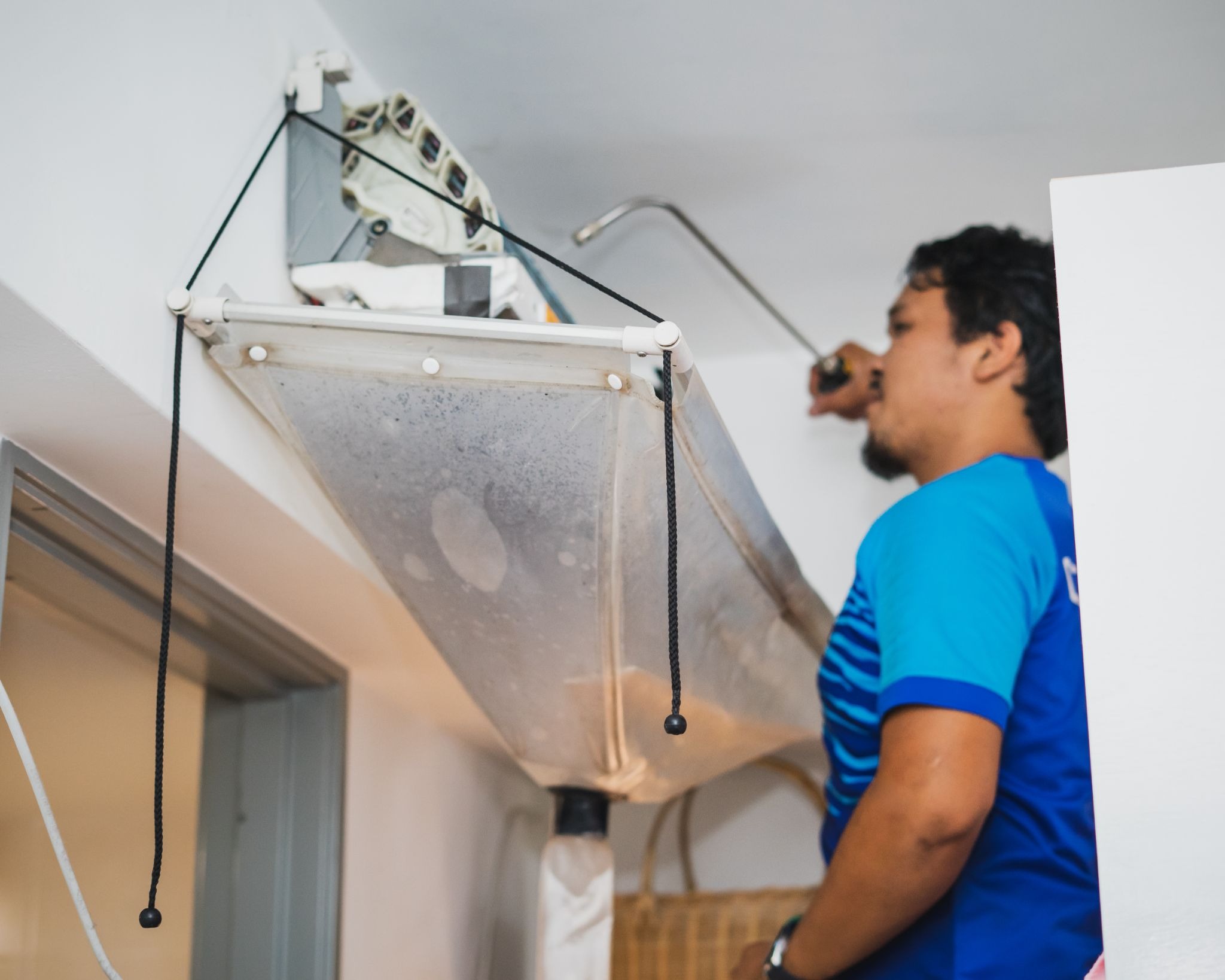
Cooling repairs feel less urgent once comfortable outdoor temperatures reduce dependence on air conditioning. Reduced pressure gives homeowners time to review recommendations and understand available repair options. Major repairs may require ordering components or coordinating longer appointments with an HVAC technician. Fall provides room for those steps without leaving the household uncomfortable during hot weather. Homeowners considering replacement can also evaluate equipment choices before an unexpected failure forces a rushed purchase. More planning time supports informed decisions about repair costs, efficiency, system size, and replacement timing.
Summer is less convenient for routine maintenance, but some situations require prompt service. Systems running frequently can reveal problems that remained hidden during milder spring temperatures. Strange sounds, weak airflow, poor cooling, and frequent cycling deserve attention regardless of seasonal timing. Homeowners should treat these warning signs differently from routine maintenance that can wait for quieter periods.
Cooling systems often run longer hours as temperatures rise in early summer. That heavier workload can expose weaknesses that were not noticeable during shorter spring operating cycles. Weak airflow may indicate restricted filters, blower issues, duct problems, or other conditions that require diagnosis. Unusual noises can also signal loose components, motor wear, debris, or developing mechanical problems. Addressing these symptoms early may prevent greater disruption during hotter periods later in the season. Homeowners should arrange professional service when cooling performance changes noticeably as summer begins.
Months of continuous cooling can place considerable strain on air conditioning components by late summer. Longer runtimes may expose electrical wear, drainage issues, declining airflow, or inconsistent cooling performance. Homeowners should not postpone service when the system struggles to maintain comfortable indoor temperatures. Continuing to run the system under poor conditions can increase wear and may lead to more extensive repairs. HVAC schedules may remain busy, so clearly describing active symptoms can help providers understand the service need. Prompt attention can keep a developing problem from becoming a complete cooling failure.
Calendar seasons provide useful guidance, but local weather patterns matter more than a specific month. Cooling seasons begin earlier in some areas and continue much longer in others. Homeowners should schedule maintenance before their system enters its regular period of heavy daily operation. This climate-based approach makes seasonal recommendations more useful across different household environments and equipment demands.
Homes in warmer climates may rely on air conditioning long before traditional summer officially begins. Waiting until late spring can mean scheduling maintenance after the system already faces substantial workloads. An earlier appointment gives technicians a chance to inspect equipment before prolonged operation becomes routine. Some systems in warm areas also run during winter, leaving fewer completely inactive months. Those households may benefit from maintenance schedules based on operating hours rather than traditional seasonal labels. An HVAC professional can recommend suitable intervals after considering equipment age, usage, and local conditions.
Homes in milder climates often have more freedom when choosing annual air conditioner maintenance dates. Shorter cooling seasons can create larger windows for scheduling inspections before sustained warm weather arrives. Homeowners may choose late winter, spring, or another period with comfortable outdoor temperatures. The main goal remains completing maintenance before regular cooling demand places greater stress on components. Annual consistency matters more than selecting the same calendar date used by households elsewhere. A predictable maintenance routine also makes service history easier to track as equipment grows older.
Seasonal timing matters, but equipment age, condition, and workload also determine appropriate service frequency. Older systems often need closer monitoring as motors, electrical parts, and other components accumulate wear. Heavy cooling demand can also increase dirt buildup and strain, especially during long cooling seasons. Pets, nearby construction, vegetation, and dusty conditions may further affect filters, coils, and airflow. Maintenance records can reveal recurring repairs or declining performance that deserves closer professional attention. A qualified HVAC technician can recommend suitable intervals based on system age, usage, environment, and repair history.
Waiting for a cooling problem can leave you facing higher repair pressure during the hottest days. Schedule air conditioning servicing early so technicians can address developing issues before heavy seasonal use begins. Professional HVAC services can inspect, clean, test, and repair your system based on its condition. Book your service before peak demand arrives and keep reliable home cooling within easier reach.
Stay informed about AC maintenance, home comfort, and HVAC care. Explore the Bee Cool blog for straightforward advice that helps you care for your system.