A malfunctioning air conditioner can quickly turn a comfortable home into an unpleasant place to live. Rising energy bills and uneven cooling often signal problems that homeowners cannot easily identify. An AC service technician helps address these concerns through professional inspections, maintenance, repairs, and system adjustments. Their work goes beyond fixing breakdowns; proper servicing also supports efficiency and equipment reliability. Understanding their responsibilities helps property owners make informed decisions about air conditioning care and maintenance.
An AC service technician installs, inspects, maintains, diagnoses, and repairs air conditioning equipment. Their responsibilities involve mechanical components, electrical systems, refrigerant circuits, and airflow performance. Technicians work with residential and commercial cooling systems that require different maintenance approaches. Their daily tasks focus on restoring cooling performance while identifying conditions that could cause future problems.
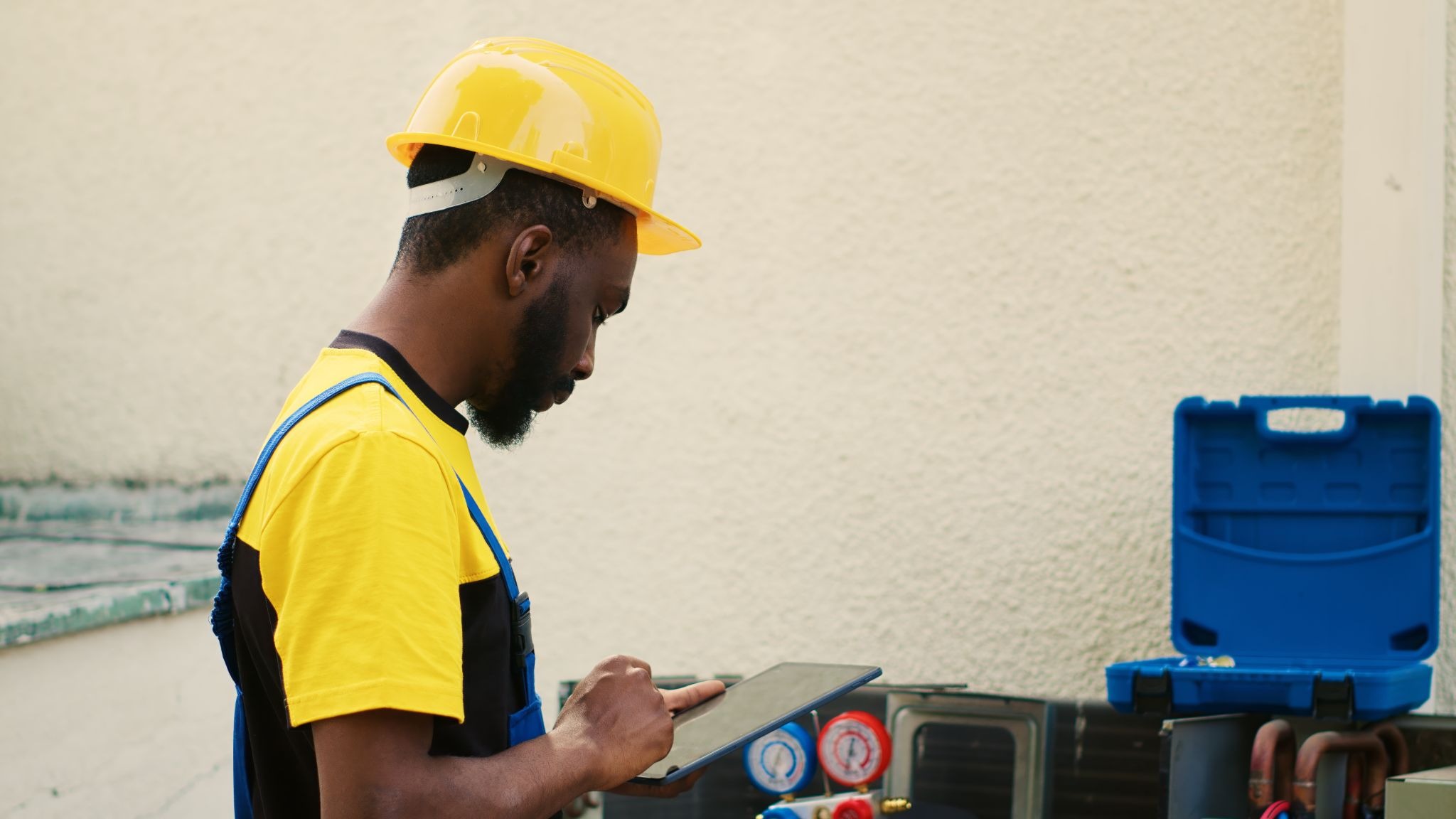
A technician typically begins an appointment by examining the air conditioning system’s overall condition. They inspect the indoor and outdoor units for visible damage, deterioration, and unusual operating conditions. During the inspection, they check electrical connections, refrigerant lines, filters, and drainage components. The technician also checks thermostat operation and observes how the equipment responds to cooling demands. These findings help identify existing problems and components that may require additional testing. A thorough inspection provides a clearer understanding of the system before repairs or adjustments begin.
Air conditioning problems often produce similar symptoms despite having different underlying causes. For example, weak cooling may result from restricted airflow, refrigerant issues, or failing components. Technicians use diagnostic instruments to check temperatures, electrical readings, pressures, and system operation. They compare their measurements with manufacturer specifications to identify possible faults. Once they determine the likely cause, they explain the problem and recommend appropriate repairs. Accurate diagnosis reduces unnecessary component replacements and helps address the actual source of the malfunction.
Air conditioning systems contain several components that can wear out or fail during operation. Technicians repair or replace faulty capacitors, contactors, fan motors, sensors, and other serviceable parts. They also address damaged wiring, drainage problems, and certain faults in the refrigerant circuit. Before completing repairs, technicians follow appropriate electrical and refrigerant safety procedures. They then test the equipment to confirm that the repaired components operate correctly. Successful repairs restore cooling performance while reducing the likelihood of recurring problems.
Regular air conditioning maintenance helps equipment run more consistently. Dust accumulation, worn components, and restricted airflow can gradually affect cooling performance. Technicians address developing problems before they place additional strain on the system. Their maintenance services also help property owners understand equipment conditions and plan necessary repairs.
Air conditioning coils transfer heat between indoor air and the surrounding environment. Dirt buildup interferes with heat transfer and may reduce the system’s cooling capacity. Technicians inspect the evaporator and condenser coils to determine whether they need cleaning. They use suitable cleaning methods that protect delicate fins and surrounding components. Clean coils allow the system to exchange heat more effectively during normal operation. Proper coil maintenance can also reduce unnecessary strain on compressors and other mechanical parts.
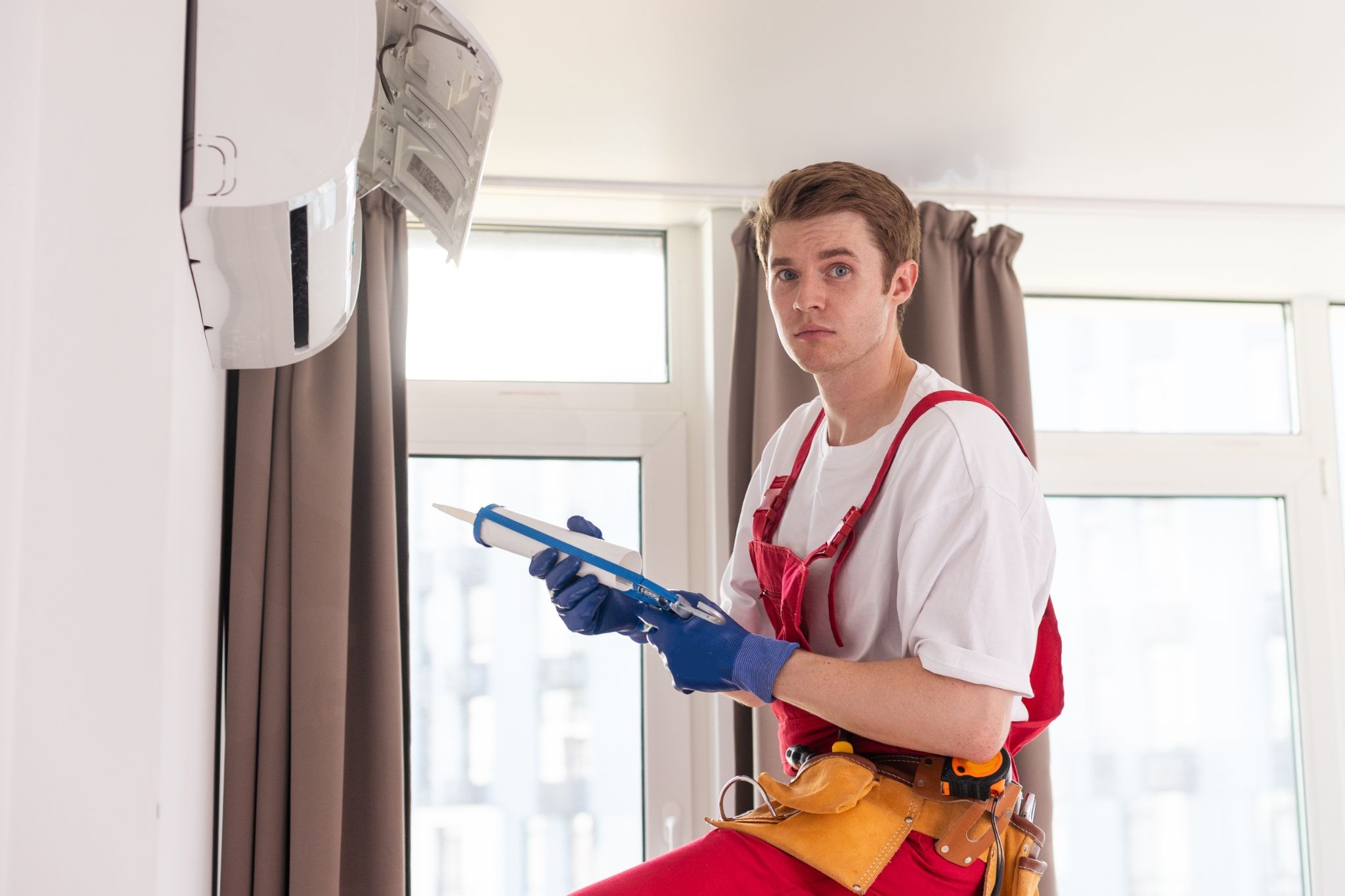
Restricted airflow can affect cooling comfort and contribute to equipment problems. Technicians examine air filters for excessive dust and replace them when appropriate. They also inspect accessible duct connections, registers, and blower components for airflow restrictions. When needed, they measure airflow or static pressure to investigate persistent performance concerns. These checks help determine whether conditioned air reaches occupied spaces as intended. Proper airflow helps maintain consistent temperatures and protects sensitive cooling components.
Air conditioners remove moisture from indoor air during cooling. The collected water normally travels through a drain pan and condensate line. Dirt, algae, or debris can block drainage and cause water to back up. Technicians inspect these components and clear blockages using appropriate service methods. They may also test condensate safety switches that help prevent overflow damage. Proper drainage maintenance reduces the risk of leaks, water damage, and unexpected cooling interruptions.
Not every air conditioning problem causes the system to stop working completely. Some faults develop gradually, showing up as longer cooling cycles or inconsistent temperatures. Technicians investigate these symptoms with measurements, not assumptions. Their diagnostic process connects visible performance problems with specific mechanical or electrical conditions.
Refrigerant absorbs indoor heat and releases it outdoors during the cooling cycle. An incorrect refrigerant charge can disrupt heat transfer and reduce system efficiency. Technicians examine operating pressures, temperatures, and other readings to evaluate refrigerant performance. When measurements indicate a possible leak, they investigate the refrigerant circuit using suitable detection methods. Repairs must address the leak before the technician restores the correct refrigerant charge. Proper refrigerant handling also requires applicable certification and compliance with environmental regulations.
Air conditioning equipment relies on electrical controls to start, operate, and stop safely. Loose connections or deteriorating components can interrupt cooling and create potential hazards. Technicians inspect accessible electrical connections and test components using appropriate instruments. During troubleshooting, they may evaluate capacitors, contactors, relays, and electrical readings from the motor. These measurements help distinguish electrical failures from mechanical or airflow-related problems. Professional electrical testing supports reliable operation and reduces the risk of unsafe repairs.
A thermostat communicates cooling demands to the air conditioning system. Incorrect settings, faulty sensors, or wiring problems can affect how equipment responds. Technicians verify thermostat settings and compare displayed temperatures with actual room conditions. They also check control signals when the cooling system fails to start or stop correctly. Some appointments involve replacing defective thermostats or correcting incompatible control connections. Proper thermostat operation helps maintain comfortable temperatures without unnecessary cooling cycles.
Installing air conditioning equipment involves more than connecting a new unit to existing components. Equipment size, airflow requirements, electrical capacity, and installation conditions affect performance. Technicians follow manufacturer instructions and applicable codes throughout the installation process. Their work helps new equipment operate correctly from its first cooling cycle.
Before installation, professionals evaluate the property’s cooling needs and existing system conditions. Building size, insulation, windows, occupancy, and local climate influence cooling demand. A proper load calculation helps determine the equipment capacity needed for comfortable operation. Oversized systems may cycle frequently, while undersized equipment can struggle during high cooling demand. Technicians also consider ductwork compatibility and available installation space. These assessments help match equipment capabilities with the property’s actual requirements.
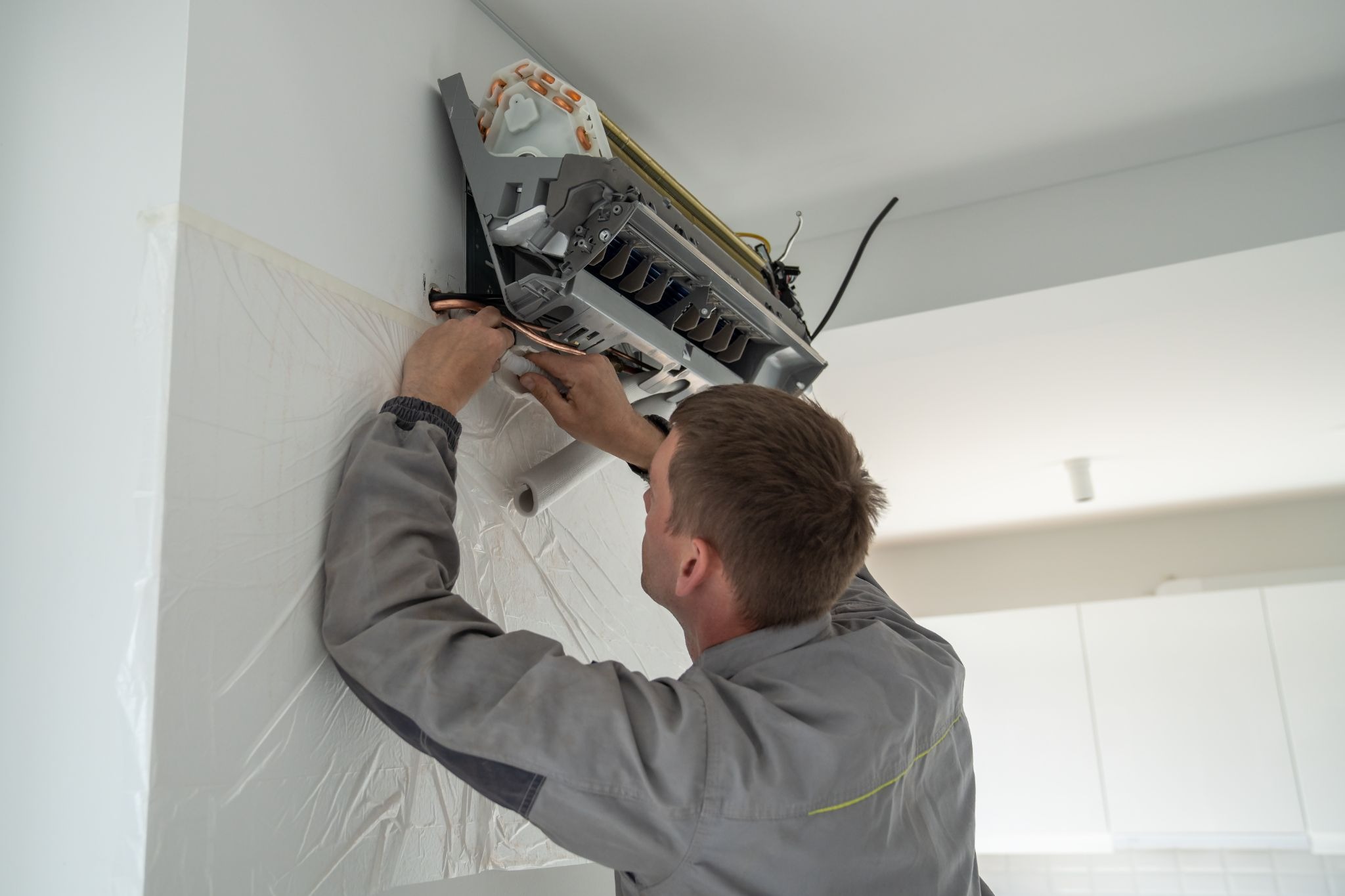
Air conditioning installation requires careful placement of indoor and outdoor components. Technicians connect refrigerant piping, condensate drainage, electrical wiring, and compatible controls as needed. They also verify that equipment has suitable clearance for airflow and future servicing. Refrigerant lines require proper preparation, leak testing, and evacuation before commissioning the system. Installers follow applicable safety standards and manufacturer procedures throughout the work. Correct installation reduces avoidable performance problems and supports dependable operation.
A new air conditioner needs operational testing before regular use. Technicians check electrical operation, airflow, refrigerant performance, and thermostat communication. They measure relevant system conditions and compare results with manufacturer requirements. The testing process may reveal needed adjustments to airflow or control settings. Technicians also explain basic operation and routine maintenance requirements to the property owner. These final checks help confirm that the system operates as intended.
Air conditioning equipment contains electrical components, pressurized refrigerants, and moving mechanical parts. Improper servicing can damage equipment or expose people to avoidable hazards. Qualified technicians use established procedures and appropriate protective equipment during service appointments. Their responsibilities include recognizing unsafe conditions and explaining necessary corrective work.
Air conditioning electrical systems can contain hazardous voltage even when equipment appears inactive. Technicians identify appropriate disconnects before accessing components that require electrical servicing. They follow applicable lockout procedures and verify electrical conditions with suitable testing equipment. Capacitors may retain an electrical charge and require special handling. Technicians also inspect wiring and connections for damage that could affect safe operation. These precautions protect workers, occupants, and equipment during maintenance and repairs.
Refrigerant servicing requires specialized equipment, training, and careful handling practices. Technicians must follow applicable rules when recovering, recycling, or handling regulated refrigerants. Many refrigerant-related service activities require EPA Section 608 certification. Professionals use approved recovery equipment instead of intentionally releasing refrigerant during routine servicing. They also follow refrigerant-specific safety requirements, including those for newer, mildly flammable refrigerants. Responsible handling protects equipment performance while limiting environmental and safety risks.
Air conditioning problems rarely improve when homeowners ignore persistent warning signs. Unusual sounds, declining cooling performance, and repeated shutdowns often indicate developing equipment faults. Scheduling professional service early may prevent a manageable problem from becoming more expensive. Recognizing these warning signs helps property owners respond before cooling reliability deteriorates.
An air conditioner may run continuously without reaching the desired indoor temperature. Clogged filters, blower issues, or refrigerant faults can cause weak cooling. Technicians investigate these possibilities rather than assuming the equipment needs replacement. They evaluate system operation and recommend repairs that address the identified cause. Property owners should also report rooms that remain noticeably warmer than surrounding areas. Early troubleshooting may restore comfort before the equipment experiences additional strain.
Unusual grinding, rattling, buzzing, or squealing sounds deserve professional attention. These noises may indicate loose components, motor problems, or other mechanical faults. Frequent starting and stopping can also signal thermostat, electrical, or airflow issues. Technicians review operating conditions to determine the cause. Continuing to operate malfunctioning equipment may increase wear or worsen existing damage. Prompt service helps identify the problem before it affects additional components.
Water around an indoor cooling unit may indicate a blocked condensate drain. A damaged drain pan or frozen evaporator coil can produce similar symptoms. Technicians inspect the drainage system and investigate the conditions causing excess moisture. Unexpected shutdowns may involve electrical protection devices, safety switches, or overheating components. Repeated circuit breaker trips require professional evaluation, not repeated resetting. Addressing these problems promptly helps limit water damage and unsafe operating conditions.
Small cooling problems rarely stay small if you ignore them. Delaying professional attention can raise repair costs and lead to unexpected system failures. A qualified AC service tech can identify developing issues before they disrupt your comfort. Timely maintenance also extends equipment life and keeps cooling performance consistent. Schedule professional service early to protect your equipment and avoid unnecessary expenses.
Learn more about air conditioning maintenance, common cooling problems, and practical care tips. Visit the Bee Cool blog for helpful insights from HVAC professionals.