Your home’s ductwork quietly moves heated and cooled air through rooms every day. Over time, dust and debris can collect inside these hidden passages. Those materials may affect airflow, cleanliness, and the performance of your heating and cooling system. Professional duct maintenance addresses buildup that ordinary household cleaning cannot easily reach. Knowing its practical benefits helps homeowners decide when professional service makes financial and practical sense.
What Does Professional Duct Cleaning Include?
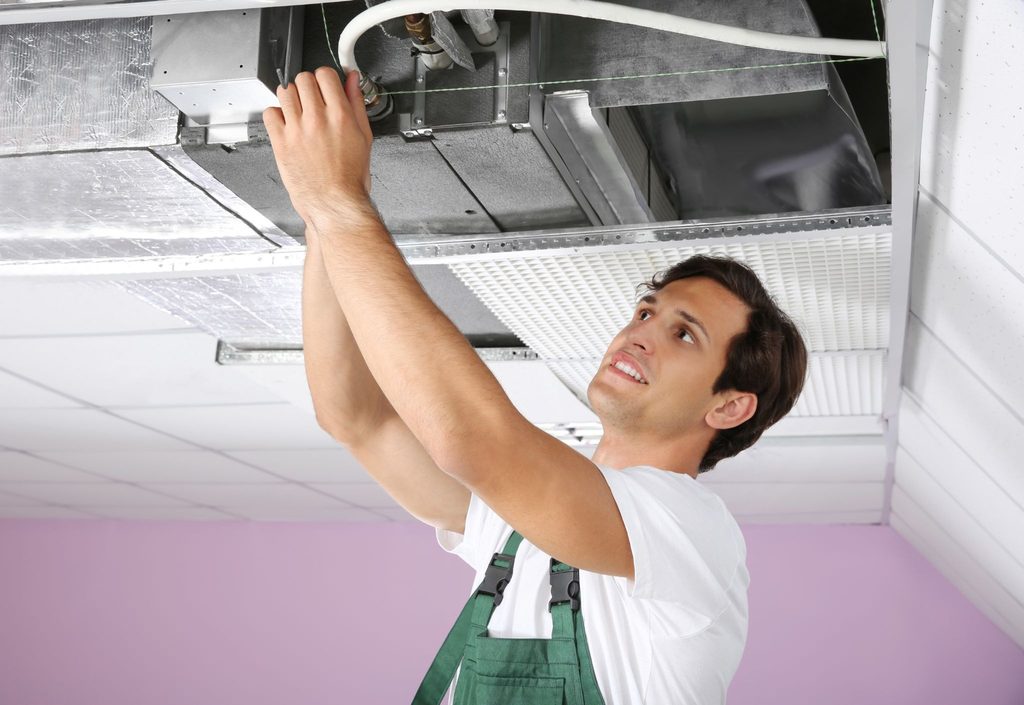
Professional duct cleaning removes contaminants from accessible HVAC system components using specialized equipment. A complete service may cover supply ducts, return ducts, registers, coils, and air-handling components. Technicians loosen accumulated material before collecting it with controlled vacuum equipment. The exact service scope depends on system design and existing contamination. Professional cleaning differs from simply vacuuming registers or replacing an HVAC filter. A qualified provider should explain which components require cleaning before beginning the work.
Top 10 Reasons for Professional Air Duct Cleaning
Professional duct cleaning can address hidden buildup that ordinary household maintenance cannot reach. Its benefits become clearer when debris, contamination, or airflow concerns affect the HVAC system. A trained technician can target these conditions using specialized equipment and proven cleaning methods. These ten reasons explain why professional service can be a worthwhile investment.
1. Improves the Air Circulating Indoors
Indoor air repeatedly travels through supply and return ducts during normal HVAC operation. Dust inside those passages can reenter occupied rooms when the system runs. Professional cleaning removes accessible buildup from areas homeowners rarely see or reach. Cleaner duct surfaces can support a cleaner indoor environment when contamination exists.
Removes Accumulated Dust and Debris
Household dust contains fibers, skin particles, dirt, and other materials from everyday activities. Some particles eventually settle within ductwork instead of remaining on visible surfaces. Professional technicians use specialized equipment to loosen and collect accessible debris inside the system. Their equipment reaches deeper areas than household vacuums or standard cleaning tools. Removing substantial deposits prevents those materials from remaining inside the air distribution network. The result gives homeowners a cleaner starting point for ongoing HVAC maintenance.
Reduces Recirculating Airborne Particles
Airflow can disturb loose particles that have collected inside certain duct sections. Some particles may then travel through vents and settle on nearby household surfaces. Professional duct cleaning targets removable deposits before normal airflow can redistribute them. Proper filtration remains necessary because ducts represent only one source of indoor particles. Regular housekeeping also controls dust originating from furniture, flooring, pets, and outdoor air. Together, these measures create a more complete approach to indoor cleanliness.
2. Addresses Hidden Mold and Moisture Problems
Moisture inside HVAC components can create conditions that support unwanted microbial growth. Condensation, leaks, or high humidity may contribute to damp areas within the system. Cleaning can remove confirmed contamination from suitable duct surfaces when professionals use appropriate methods. However, homeowners must also correct the moisture source to prevent recurring problems.
Removes Contaminants From Affected Areas
Visible microbial growth deserves attention because HVAC airflow reaches multiple areas throughout a property. Qualified technicians can inspect accessible components and determine which surfaces require professional treatment. They use equipment designed to contain removed material during cleaning. Containment helps prevent loosened debris from spreading unnecessarily into occupied rooms. Some contaminated insulation may require replacement instead of surface cleaning. A careful inspection helps determine the appropriate response for each affected HVAC component.
Identifies Problems Behind Moisture Buildup
Duct contamination can signal a larger moisture problem elsewhere in the HVAC system. Condensation may develop around cooling components, drain systems, insulation, or poorly sealed areas. A professional visit can reveal visible conditions that homeowners might otherwise overlook. Cleaning alone cannot correct leaking pipes, drainage failures, or persistent indoor humidity. Those underlying conditions require repairs or moisture-control measures alongside duct service. Addressing both the cause and the contamination provides a more practical long-term solution.
3. Restores Better Airflow Through the System
Air distribution depends on clear pathways throughout the heating and cooling system. Heavy debris can sometimes restrict airflow within ducts or around HVAC components. Professional cleaning removes accessible obstructions that may interfere with normal air movement. The benefit becomes especially relevant when inspections reveal substantial buildup or blocked passages.
lears Restrictive Debris From Ductwork
Construction debris, excessive dust, and other materials can occasionally accumulate inside air distribution systems. Larger deposits may create resistance when they obstruct narrow sections or register openings. Technicians can locate problem areas before choosing the appropriate cleaning equipment. Specialized tools loosen stubborn material without relying on ordinary household cleaning methods. Removing real restrictions lets air move more freely through the affected passages. However, duct design and equipment condition also influence overall airflow throughout the property.
Helps Rooms Receive More Consistent Air
Uneven room temperatures often have several possible causes beyond dirty ductwork. Blocked vents, damaged ducts, poor insulation, or equipment problems may also affect comfort. Professional inspection helps separate contamination issues from unrelated HVAC performance concerns. When debris restricts airflow, cleaning can help restore movement through those affected areas. More consistent circulation may help conditioned air reach rooms as the system intended. Technicians can also recommend further evaluation when cleaning cannot solve the underlying imbalance.
4. Eliminates Odors Trapped Inside Ductwork
Unpleasant household odors sometimes settle within dust and debris inside HVAC passages. Each heating or cooling cycle may circulate those smells through occupied spaces. Professional duct service can remove contaminated material when duct deposits cause the problem. Odor removal works best when you identify the actual source rather than masking symptoms.
Targets Odors Trapped in Duct Debris
Cooking residue, smoke particles, pet debris, and other materials can contribute to lingering smells. Some residues settle inside ducts and remain there even after surrounding rooms are cleaned. Technicians can remove accessible deposits that continue holding unwanted odors within the system. Mechanical removal addresses the material instead of covering smells with fragrances or sprays. However, cleaning will not eliminate odors caused by active leaks or ongoing contamination. Finding the source first prevents homeowners from paying for an ineffective solution.
Refreshes Air After Property Changes
Certain property events can leave HVAC systems carrying dust or odors afterward. Renovations may introduce drywall dust, sawdust, insulation fibers, and other construction materials. Smoke incidents or pest problems can also leave unwanted debris within accessible ductwork. Professional cleaning may make sense after those sources have been fully corrected. Technicians can inspect the system and remove remaining material where appropriate. That approach supports a cleaner transition after substantial work or contamination inside the property.
5. Reduces Recurring Dust Around the Home
Frequent surface dust can come from several indoor and outdoor sources. Duct deposits may contribute when loose material becomes disturbed during HVAC operation. Professional cleaning can reduce that source when inspections confirm significant contamination inside the system. Homeowners should combine duct maintenance with filtration and routine household cleaning.
Limits Dust Released Through Supply Vents
Supply vents deliver conditioned air directly into bedrooms, living areas, and other occupied spaces. Loose debris near these pathways may occasionally enter rooms during system operation. Professional equipment can remove accessible deposits from ducts, registers, and related HVAC components. Removing those materials reduces the amount available for later redistribution through vents. New dust will still enter homes through daily activities and outdoor air. Effective filters and regular cleaning remain necessary after professional duct service.
Keeps Registers and Nearby Areas Cleaner
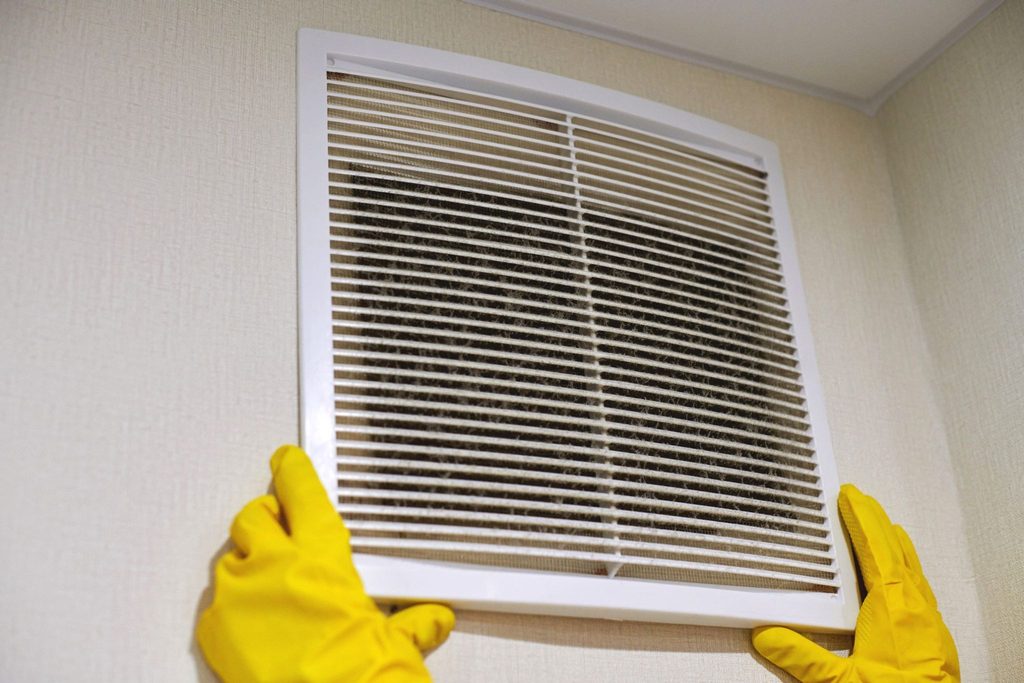
Dust buildup around registers can make recently cleaned rooms appear dirty again quickly. Some residue comes directly from indoor activities rather than deeper duct contamination. However, heavy deposits behind registers may indicate that a professional inspection is warranted. Cleaning accessible duct surfaces removes one potential contributor to recurring debris around vents. Technicians can also identify damaged connections or gaps that may draw unwanted particles inward. Correcting those problems may provide greater value than repeatedly wiping dusty vent covers.
6. Helps the HVAC System Operate More Smoothly
Heating and cooling equipment performs best when air can move through appropriate pathways. Dirty components and severe debris can create additional resistance within an HVAC system. Professional cleaning may improve operating conditions when contamination contributes to airflow problems. Still, equipment maintenance and filter replacement remain equally important for dependable performance.
Reduces Unnecessary Airflow Resistance
An HVAC blower must move air through filters, equipment, ducts, and registers. Restrictions anywhere along that route can make normal circulation more difficult. Heavy duct deposits represent one possible restriction among several potential system problems. Professional cleaning removes those deposits when technicians confirm they affect accessible passages. Clean pathways cannot correct undersized ducts, failing motors, or clogged filters. A broader HVAC assessment may therefore provide better answers when performance remains poor afterward.
Supports Efficient System Maintenance
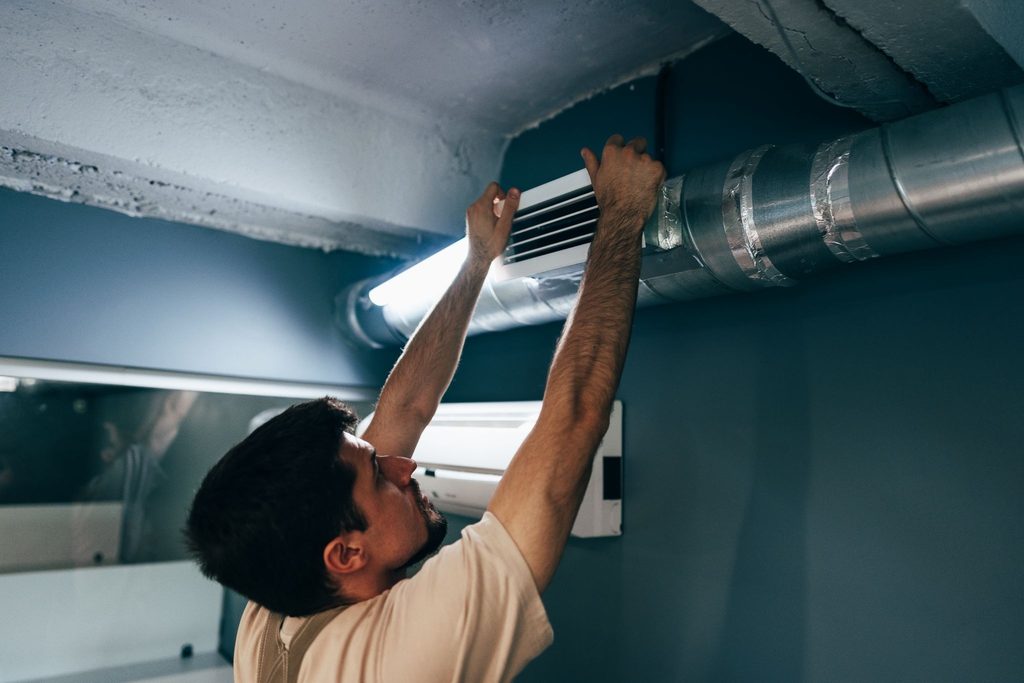
Duct cleaning works best as one part of responsible heating and cooling maintenance. Technicians may gain useful visibility into accessible areas while completing the service. They can notice disconnected sections, damaged insulation, or unusual debris during the process. These observations can alert homeowners to problems that require separate repair or evaluation. Regular filter changes also protect equipment from excessive dust entering the air stream. Combining sensible maintenance practices can help preserve reliable HVAC operation over time.
7. Removes Contamination Left Behind by Pests
Rodents and insects sometimes enter duct systems through damaged or poorly sealed openings. Their presence can leave nesting materials, waste, and other contamination inside air passages. Professional cleaning becomes particularly valuable after pest activity has been confirmed and stopped. The service removes remaining debris while repairs help prevent another infestation.
Removes Debris Left After Pest Activity
Pest control addresses active animals or insects but may leave contaminated material behind. Nests, droppings, food fragments, and disturbed insulation can remain within accessible HVAC areas. Professional technicians use suitable equipment to remove debris without casually dispersing it indoors. Proper procedures matter because some pest waste may present health and sanitation concerns. Homeowners should avoid disturbing suspicious contamination without understanding the potential risks. Coordinating pest control and HVAC cleaning provides a more complete response to infestation damage.
Reveals Openings That Need Attention
Pests usually need an entry point to reach protected areas inside duct systems. Damaged ductwork, loose connections, and unsealed gaps may provide those access routes. A detailed inspection can reveal visible openings as technicians work through the system. Cleaning does not permanently solve pest problems when those openings remain accessible. Appropriate repairs and sealing can reduce the likelihood of future contamination. Preventing repeated entry protects both the ductwork and the money spent cleaning it.
8. Clears Debris Left After Renovation Work
Remodeling projects can generate fine particles that travel far beyond the immediate work area. Drywall sanding, cutting, drilling, and demolition create debris that ordinary cleaning may miss. HVAC systems operating during construction can draw some material toward returns and components. Professional cleaning may help when renovation dust has entered accessible ductwork in substantial amounts.
Removes Construction Dust From Hidden Areas
Construction dust can settle behind registers and inside duct sections long after contractors leave. Fine material may remain hidden even when floors and furnishings look completely clean. Technicians can inspect these spaces and determine whether significant deposits require removal. Specialized tools can capture debris that standard household vacuums cannot conveniently reach. Cleaning becomes especially reasonable after extensive remodeling that produced considerable airborne dust. Homeowners can then maintain cleaner surfaces through normal filtration and routine housekeeping.
Prepares the HVAC System for Normal Use
A finished renovation should not leave the HVAC system carrying unnecessary construction debris. Filters often need inspection or replacement after projects that generate substantial airborne particles. Registers and accessible components may also require cleaning before regular operation resumes. Professional service can address deeper deposits when inspection confirms that debris entered the duct network. Future projects should include dust containment and HVAC protection whenever practical. Preventive planning often costs less than correcting widespread contamination after construction ends.
9. Uncovers Hidden HVAC Problems Earlier
Most homeowners rarely see more than registers and the areas directly behind them. Professional duct service provides access to parts of the system that remain largely hidden. Experienced technicians can identify visible conditions that deserve maintenance, repair, or further investigation. That information can help homeowners make better decisions about their HVAC systems.
Spots Visible Duct Damages Earlier
Air ducts can develop loose connections, damaged insulation, corrosion, or other physical problems. Some issues remain unnoticed because they occur inside attics, crawlspaces, or concealed runs. Technicians working throughout accessible duct areas may notice abnormalities during the cleaning process. Early awareness allows homeowners to arrange appropriate repairs before conditions worsen. Cleaning technicians should not automatically diagnose problems beyond their training or service scope. However, documented observations can help an HVAC professional investigate the issue more efficiently.
Understands the Actual Condition of Ducts
Homeowners should not assume every duct system requires frequent professional cleaning. A reputable provider should explain what contamination exists and why removal makes sense. Inspection findings can help customers distinguish genuine buildup from routine household dust. Photos or other documentation may provide useful evidence before and after appropriate service. That transparency makes it easier to judge the value of recommended work. It also discourages unnecessary services based solely on broad claims or aggressive sales tactics.
10. Protects the HVAC System for the Long Term
Ductwork forms part of a larger system that requires thoughtful maintenance over time. Professional cleaning can support that maintenance when actual contamination justifies the service. Its greatest value comes from solving specific problems rather than following arbitrary schedules. A condition-based approach helps homeowners spend maintenance dollars where they produce meaningful results.
Addresses Problems Before Buildup Gets Worse
Small amounts of ordinary household dust do not automatically demand professional duct cleaning. Significant debris, contamination, or obstruction creates a stronger reason to consider service. An inspection can determine whether current conditions justify professional attention. Acting on confirmed problems prevents removable material from remaining ignored inside the system. Homeowners can also address contributing causes before contamination returns after cleaning. That approach turns duct service into targeted maintenance instead of an unnecessary recurring expense.
Offers More Value From Professional Service
Professional service offers greater value when technicians thoroughly clean the appropriate HVAC components. Homeowners should ask what areas the quoted service includes before approving the work. They should also understand the methods, equipment, pricing, and expected results. Extremely cheap offers may exclude important components or rely on aggressive upselling afterward. Clear explanations and documented findings help customers compare providers on more than price. Choosing carefully protects the investment and reduces the risk of incomplete or unnecessary work.
Schedule Air Duct Cleaning Before Problems Grow
Hidden duct problems can become harder to address when debris and contamination remain unnoticed. A professional inspection can identify conditions that routine household cleaning cannot reach or resolve. Addressing verified problems early can protect HVAC performance and prevent unnecessary complications later. Schedule qualified air duct cleaning when warning signs appear, rather than waiting for buildup to worsen.
Read the BeeCool 247 HVAC blog for useful HVAC insights, seasonal maintenance tips, and expert guidance for a more comfortable home.