
Heating and cooling can consume a large share of a property’s energy. Most conventional systems react to outdoor air, which changes constantly throughout the year. Geothermal systems take a different approach by using the steadier temperatures beneath the ground. One system can heat a building in winter and cool it during warmer months. For property owners considering long-term comfort and energy use, understanding how geothermal HVAC works is a practical starting point.
What is a Geothermal HVAC System?
Geothermal heating and cooling is a system that transfers heat between a building and the ground. It uses a heat pump and underground pipes to provide indoor heating and cooling. Unlike a furnace, it moves existing heat rather than generating most of it from fuel.
The Ground Provides a Stable Energy Source
Outdoor temperatures can change sharply between seasons and even within a single day. Below the surface, ground temperatures remain much more stable throughout the year. A geothermal system uses that stability as a reliable heat-exchange medium. During winter, it collects heat stored in the ground and brings it indoors. During the summer, the process reverses, sending unwanted indoor heat underground. This steady exchange reduces the need to work directly against extreme outdoor temperatures.
One System Handles Heating and Cooling
A geothermal heat pump can provide both heating and cooling through the same equipment. In colder months, the system brings underground heat into the building. When temperatures rise, it reverses direction and removes heat from indoor spaces. This change happens within the system rather than through separate heating and cooling units. Many properties can therefore rely on one central setup for year-round temperature control. The system may also support certain hot water applications when properly designed.
How Does Geothermal Heating and Cooling Work?
A geothermal system does not burn fuel underground or draw heat from deep within the Earth. Instead, it exchanges heat with the relatively shallow ground around a property. The direction of that heat transfer changes with the season.
The System Collects Heat During Winter
Fluid circulates through a network of pipes buried beneath the property. As it travels underground, the fluid absorbs heat stored in the surrounding ground. The system carries that energy to the indoor heat pump. The heat pump raises the temperature to a useful level for indoor comfort. Heated air or water then moves through the building’s distribution system. Because the system transfers available heat, it can use less energy than equipment that creates heat directly.
The Process Reverses During Summer
During warmer weather, the system starts by collecting excess heat from indoor air. The heat pump transfers that energy to the fluid circulating through the ground loop. The underground pipes then release the heat into the cooler surrounding ground. Conditioned air returns indoors to maintain comfortable temperatures. This process avoids sending heat into already hot outdoor air. As a result, geothermal cooling can maintain steady performance during demanding summer conditions.
Refrigerant Moves Heat Inside the Equipment
The underground loop carries heat between the ground and the indoor equipment. Inside the heat pump, refrigerant helps move that energy where the system needs it. Compression raises the refrigerant temperature during the heating process. During cooling, the cycle reverses to remove heat from the indoor air. The refrigerant stays within a closed mechanical system during normal operation. Property owners do not need to manage this process during everyday use.
What Makes Up a Geothermal System?
A geothermal HVAC system combines underground infrastructure with equipment inside the building. Each part handles a different stage of the heat-transfer process. Together, these components provide year-round indoor temperature control.
Ground Loops Exchange Heat Underground
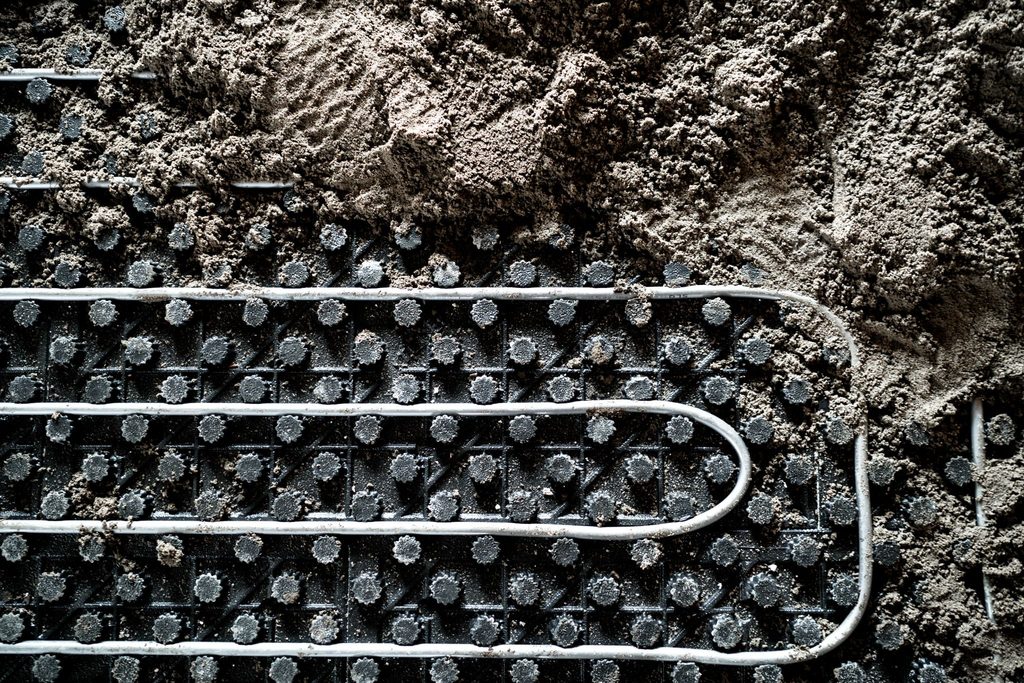
The ground loop consists of durable pipes installed beneath the property. A water-based fluid circulates through the pipes, exchanging heat with the surrounding environment. The amount of piping depends on building demand, soil conditions, climate, and available space. Installers can place loops horizontally, vertically, or within a suitable body of water. Once installed, closed ground loops usually need little direct attention. Their long service life forms a major part of the geothermal system value.
The Heat Pump Manages Heat Transfer
The heat pump connects the underground loop with the building’s indoor comfort system. During winter, it concentrates the ground heat it collects before sending that energy indoors. In summer, it removes indoor heat and transfers it underground. Most geothermal heat pumps operate inside rather than outside the building. This location protects major equipment from rain, debris, and extreme weather. It can also reduce mechanical noise around outdoor living areas.
Ducts or Pipes Distribute Indoor Comfort
Many geothermal systems use ductwork to move heated or cooled air through a building. Others connect with compatible systems that circulate heated water through indoor spaces. The right approach depends on the property and its existing mechanical setup. Older ducts may need sealing, repairs, or other improvements before installation. Poor distribution can reduce comfort even when the geothermal equipment works properly. For that reason, a complete evaluation should include the entire indoor system.
How Efficient Is Geothermal Heating and Cooling?
Geothermal systems improve efficiency by moving existing heat rather than generating all thermal energy directly. Stable underground conditions also reduce the strain caused by extreme outdoor temperatures. Actual results still depend on proper sizing, installation, and building conditions.
Heat Transfer Requires Less Energy
A furnace must create heat through combustion or electric resistance. A geothermal heat pump collects available heat and moves it where needed. Electricity powers the heat pump, circulation equipment, and indoor distribution system. However, the system can deliver more heating energy than the electricity it directly consumes. This relationship is often described through the coefficient of performance, or COP. Higher COP values generally indicate greater heating output per unit of energy used.
Cooling Efficiency Uses Another Rating
Cooling performance often appears as an energy efficiency ratio, commonly called EER. This rating compares cooling output with the electricity required to produce it. A higher rating generally reflects better energy efficiency under tested conditions. However, ratings alone cannot predict actual utility savings for every property. Climate, thermostat settings, insulation, and energy prices also influence real-world results. Equipment should therefore be evaluated within the context of the entire building.
Building Conditions Affect Real Performance
A geothermal system cannot correct every source of energy waste. Poor insulation allows indoor heat to escape during winter and enter during summer. Leaky ducts can also lose conditioned air before it reaches occupied rooms. Older windows and uncontrolled air leaks may further increase heating and cooling demand. Correcting these problems can improve comfort and reduce unnecessary system workload. A building assessment should therefore accompany geothermal system planning.
Benefits of Geothermal HVAC Systems
Geothermal technology attracts attention for more than potential energy savings. Comfort, equipment location, noise, and service life can also influence the decision. These advantages depend heavily on good design and professional installation.
Indoor Temperatures Can Feel More Consistent
Geothermal systems often operate in longer, steadier cycles than some conventional equipment. This operation can reduce noticeable temperature swings between heating and cooling cycles. Properly designed systems also deliver comfort in line with the building’s actual needs. Rooms may feel more balanced when the distribution system works correctly. However, damaged ducts or poor airflow can still create uneven temperatures. The entire system must work together to produce consistent results.
Outdoor Areas Can Become Quieter
Most major geothermal equipment is installed indoors rather than beside the building. The absence of a conventional outdoor condensing unit can reduce mechanical noise outside. This difference may matter near bedrooms, patios, offices, or neighboring properties. Indoor equipment also avoids direct exposure to rain, snow, and outdoor debris. Protection from the weather can reduce some forms of equipment wear. The underground loop itself operates silently during normal use.
Long Service Life Can Support Value
Underground loops can remain useful for several decades when properly installed. Indoor heat pumps contain moving parts and usually need replacement sooner. However, their protected location can reduce exposure-related deterioration. A working ground loop may serve multiple generations of indoor equipment. This long service potential can spread infrastructure costs across many years. Routine maintenance remains necessary for dependable operation.
What Does Geothermal Installation Involve?
Installing geothermal HVAC requires more planning than replacing a furnace or air conditioner. Contractors must evaluate the building and the surrounding property before selecting equipment. The process then moves from site planning to underground work and indoor connections.
Site Evaluation Comes Before System Design
Contractors first examine the property and calculate its heating and cooling needs. They review available land, soil conditions, access, utilities, and existing structures. The indoor assessment may include insulation, ductwork, electrical capacity, and current HVAC equipment. Building size alone does not determine the correct geothermal system. Windows, occupancy, construction, and air leakage also affect demand. These findings guide equipment sizing and ground loop design.
Underground Work Creates the Most Disruption
Horizontal installations require trenches across part of the property. Vertical systems need drilling equipment and access for specialized machinery. Existing pavement, landscaping, drainage, and underground utilities can complicate the work. Contractors should identify these conditions before major installation begins. Property owners should also discuss cleanup and site restoration in advance. Clear planning reduces surprises once excavation or drilling starts.
Indoor Connections Complete the System
After installing the loop, technicians connect it to the indoor heat pump. They also integrate the equipment with compatible ducts or another distribution system. Electrical connections and controls must support safe, reliable operation. Technicians then test fluid circulation, airflow, temperatures, and system responses. This commissioning process confirms that the equipment operates according to its design. Any necessary adjustments should be made before regular use begins.
How Much Does a Geothermal System Cost?
Geothermal systems usually require a larger upfront investment than conventional HVAC replacements. Underground piping, drilling, excavation, and site restoration contribute to the difference. The complete cost depends on the property and system design.
Site Conditions Shape Installation Costs
Ground loop design strongly influences the total project price. Vertical systems often involve specialized drilling, while horizontal loops require sufficient excavation space. Difficult ground conditions can increase labor and equipment needs. Larger buildings may also require more system capacity and underground piping. Duct repairs or electrical upgrades can add further expenses. A detailed property assessment provides a more useful estimate than a broad national average.
Ownership Costs Extend Beyond Installation
The purchase price represents only one part of the financial decision. Energy use, maintenance, service life, and future replacement costs also matter. A ground loop may persist even after multiple indoor equipment replacements. Lower utility expenses can offset part of the initial investment over time. However, actual savings depend on energy prices and the system being replaced. A useful comparison should examine long-term ownership rather than installation cost alone.
Incentives Can Change the Final Cost
Available incentives may reduce the effective cost of qualifying geothermal projects. These programs can include tax benefits, rebates, financing, or utility incentives. Requirements and available amounts can change over time. Equipment qualifications and installation dates may also affect eligibility. Property owners should verify current program details before including savings in their budget. Confirmed information supports more accurate financial planning.
Choose Geothermal HVAC With the Full Picture
A geothermal system can influence comfort, energy use, and equipment costs for decades. That makes careful planning more important than choosing equipment from a brochure or general estimate. Have the building, ground conditions, existing HVAC setup, and long-term costs evaluated before committing to installation. A well-matched geothermal heating and cooling system starts with the property itself, not a one-size-fits-all recommendation.
Build better knowledge about indoor comfort. Read the Bee Cool blog for useful explanations and expert HVAC insights.