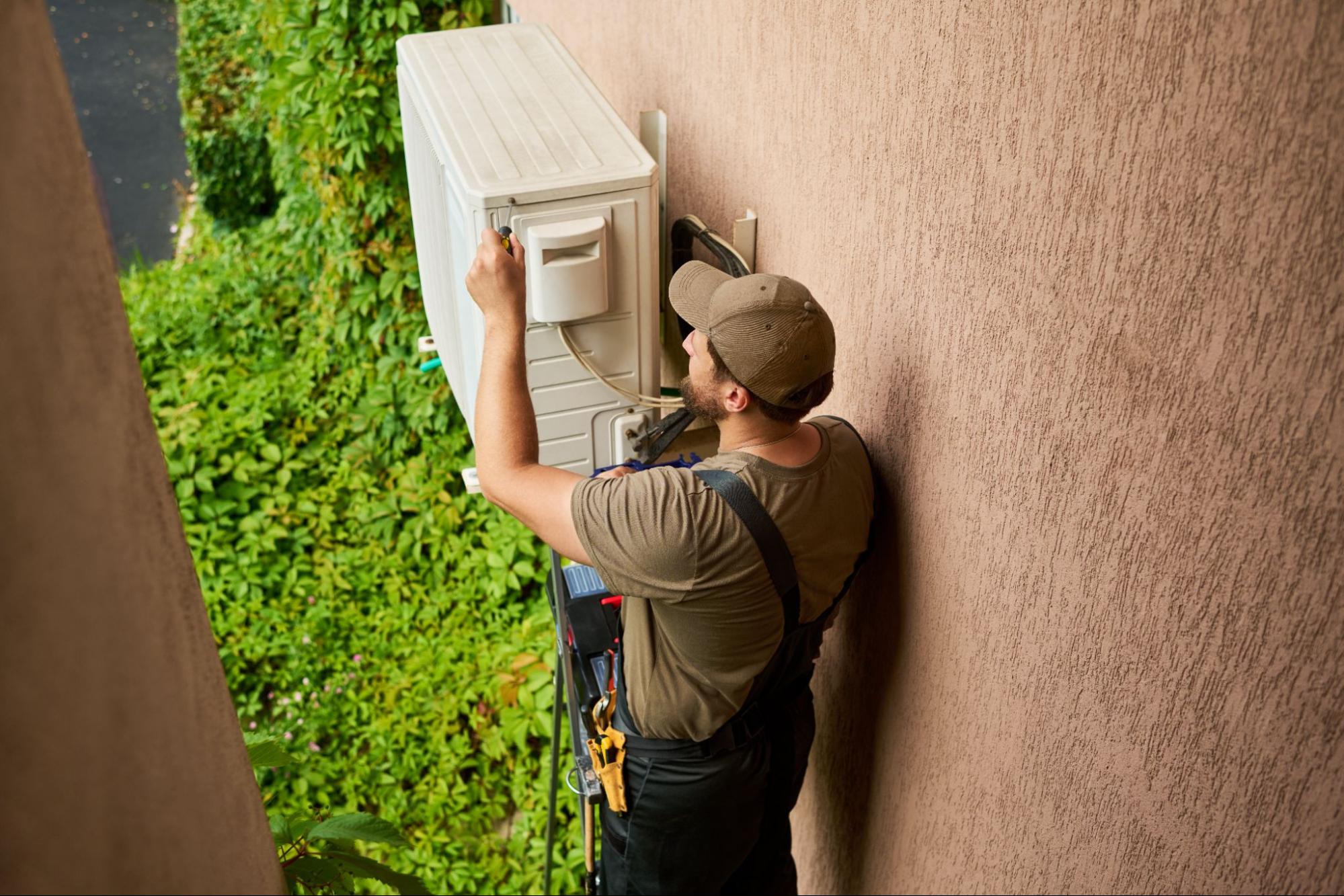
Replacing an air conditioner can feel overwhelming, especially when unexpected expenses disrupt your household budget. An aging cooling system may struggle with rising temperatures while driving up monthly energy bills. Frequent repairs can also leave homeowners questioning whether another service call makes financial sense. Understanding replacement costs helps you decide without sacrificing comfort or overstretching your finances. Knowing what drives the final price also makes it easier to compare equipment, installation services, and long-term savings.
How Much Does AC Unit Replacement Cost?
Air conditioner replacement costs vary based on equipment, installation requirements, and the condition of your existing system. Most homeowners spend about $5,000 to $12,000 to replace a complete central air conditioning system. However, complex installations and premium equipment can push the total beyond this estimated range. Understanding typical pricing helps homeowners establish realistic budgets before requesting estimates from HVAC contractors.
Average Costs for Different AC Systems
Different cooling systems come with different equipment prices and installation requirements. A central air conditioning replacement typically costs $5,000 to $12,000, including professional installation. Ductless mini-split systems may cost $3,000 to $7,000 for a single-zone installation. Multi-zone ductless systems often cost considerably more because they require additional indoor units. Window air conditioners generally cost several hundred dollars and require much less installation work. These estimates provide starting points, but actual quotes depend on your home’s cooling requirements.
Equipment Costs Versus Installation Charges
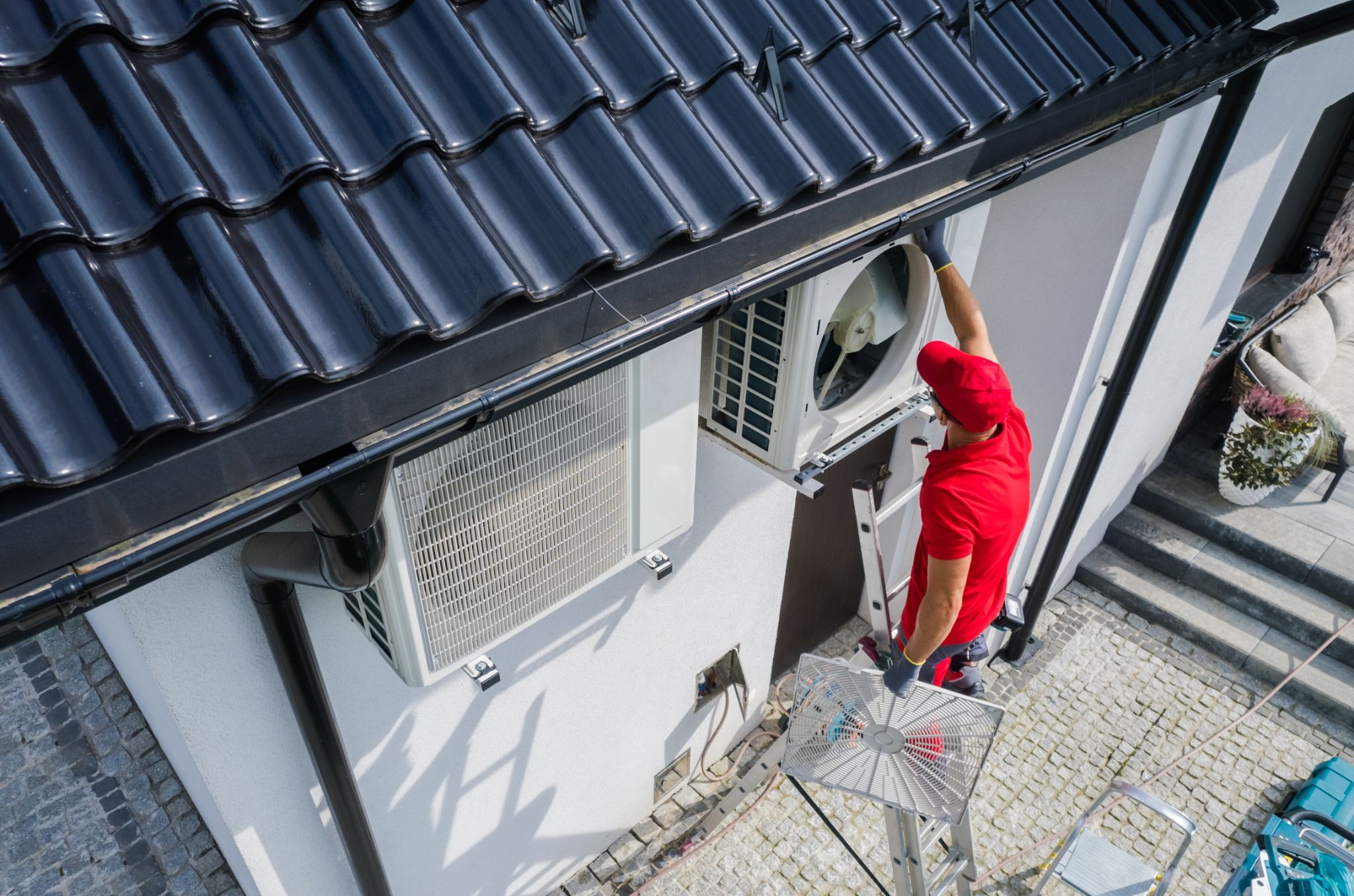
The equipment price represents only part of the total replacement expense. Homeowners must also account for labor, installation materials, permits, and necessary system modifications. Equipment costs vary based on cooling capacity, efficiency ratings, and manufacturer specifications. Labor costs depend on installation complexity and how long technicians need to complete the work. Replacing an existing system usually costs less than installing air conditioning in an unfinished space. Requesting itemized estimates helps homeowners understand how contractors calculate their final installation charges.
Why Replacement Quotes Vary
Two contractors may recommend different equipment and provide noticeably different prices for the same home. Their estimates may reflect different labor rates, equipment brands, warranties, and installation procedures. One contractor might include electrical upgrades, while another lists those services as additional expenses. The condition of existing ductwork can also affect how much preparation is needed before installation. Some estimates include removing old equipment and disposing of refrigerant, while others charge separately. Comparing detailed proposals helps homeowners spot meaningful differences instead of choosing based on price alone.
Factors That Influence Air Conditioner Pricing
Several household and equipment characteristics influence the cost of replacing an air conditioning system. Home size affects cooling needs, while efficiency ratings affect equipment prices and operating costs. Installation conditions also determine how much labor and additional materials contractors need. Evaluating these factors helps homeowners understand why replacement estimates differ between properties.
Home Size and Cooling Capacity
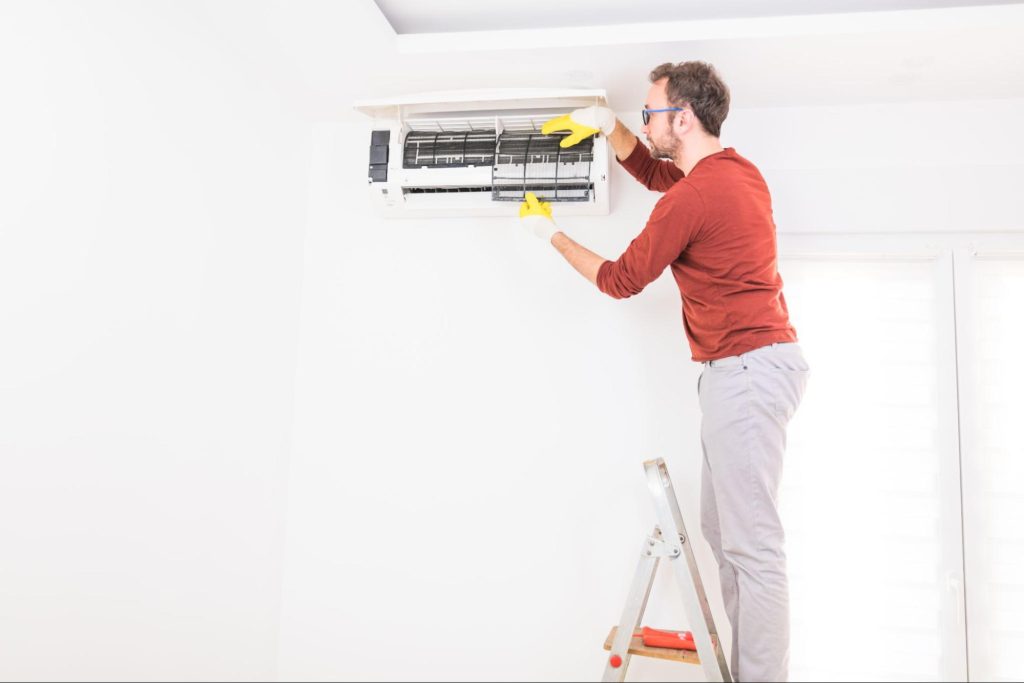
Larger homes generally require cooling systems with greater capacity to maintain comfortable indoor temperatures. HVAC professionals measure air conditioner cooling capacity in British thermal units (BTUs). They also describe system capacity in tons, with one ton equaling 12,000 BTUs per hour. However, square footage alone cannot determine the correct equipment size for every property. Insulation quality, window placement, ceiling height, and local climate also affect cooling requirements. Professional load calculations help prevent purchasing oversized equipment that wastes energy and struggles with humidity control.
Energy Efficiency Ratings
Modern air conditioners carry efficiency ratings that help homeowners compare expected cooling performance. The Seasonal Energy Efficiency Ratio 2 (SEER2) measures cooling efficiency under updated testing conditions. Higher SEER2 ratings generally indicate better efficiency, although actual savings depend on household usage. More efficient systems often cost more upfront than comparable standard-efficiency equipment. However, lower electricity consumption may offset part of that additional expense over time. Comparing estimated operating costs alongside equipment prices provides a clearer picture of long-term value.
Brand, Features, and Equipment Quality
Air conditioner manufacturers offer product lines for different budgets and comfort preferences. Entry-level models typically offer basic cooling without many advanced features. Premium systems may include variable-speed compressors, enhanced humidity control, and quieter operation. These features can improve comfort, but they also increase equipment and potential repair costs. When comparing manufacturers, consider warranty coverage, replacement part availability, and contractor familiarity. A dependable midrange system may provide better overall value than the most expensive available model.
Installation Expenses That Affect Your Budget
Replacing cooling equipment involves more than connecting a new outdoor unit to existing components. Technicians must evaluate the surrounding infrastructure before determining whether the installation can proceed smoothly. Older homes may need modifications that increase labor requirements and overall replacement expenses. Understanding these potential charges reduces the likelihood of unexpected costs during installation.
Ductwork Repairs and Modifications
Existing air ducts influence how efficiently conditioned air reaches different rooms throughout your home. Leaking connections, damaged sections, and poor duct sizing can reduce cooling performance. Contractors may recommend sealing accessible leaks or replacing deteriorated ductwork during system installation. Minor repairs generally cost less than extensive duct replacements in hard-to-reach areas. Homes without suitable ductwork may require a different cooling system or substantial additional construction. Inspecting ducts before replacement helps identify problems that could compromise new equipment’s performance.
Electrical and Refrigerant Line Upgrades
New air conditioning equipment must operate with compatible electrical connections and properly sized components. Some installations require updated wiring, disconnect switches, circuit breakers, or electrical panel modifications. Refrigerant lines may also need replacement when existing materials cannot meet manufacturer requirements. Technicians must inspect the line’s condition, compatibility, and sizing before deciding whether to reuse it. These modifications increase upfront costs but support safe operation and reliable cooling performance. A detailed installation assessment should identify necessary upgrades before homeowners approve the replacement project.
Permits and Old Equipment Removal
Many jurisdictions require permits when homeowners replace central air conditioning equipment. Permit fees vary by local regulations and the scope of the installation work. Contractors may include permit expenses in their estimates or charge them separately. Removing old equipment also requires proper refrigerant handling and disposal of system components. Licensed technicians must follow applicable refrigerant recovery requirements during equipment removal. Confirming these responsibilities beforehand helps prevent extra charges and avoids installation delays.
When Replacing Your AC Makes Financial Sense
An expensive repair does not automatically mean your air conditioner needs immediate replacement. However, recurring breakdowns and declining efficiency can make continued repairs increasingly costly. Homeowners should compare repair expenses against equipment age, reliability, and expected operating costs. Evaluating these considerations together helps determine when replacement becomes the more practical financial decision.
Repair Costs and System Age
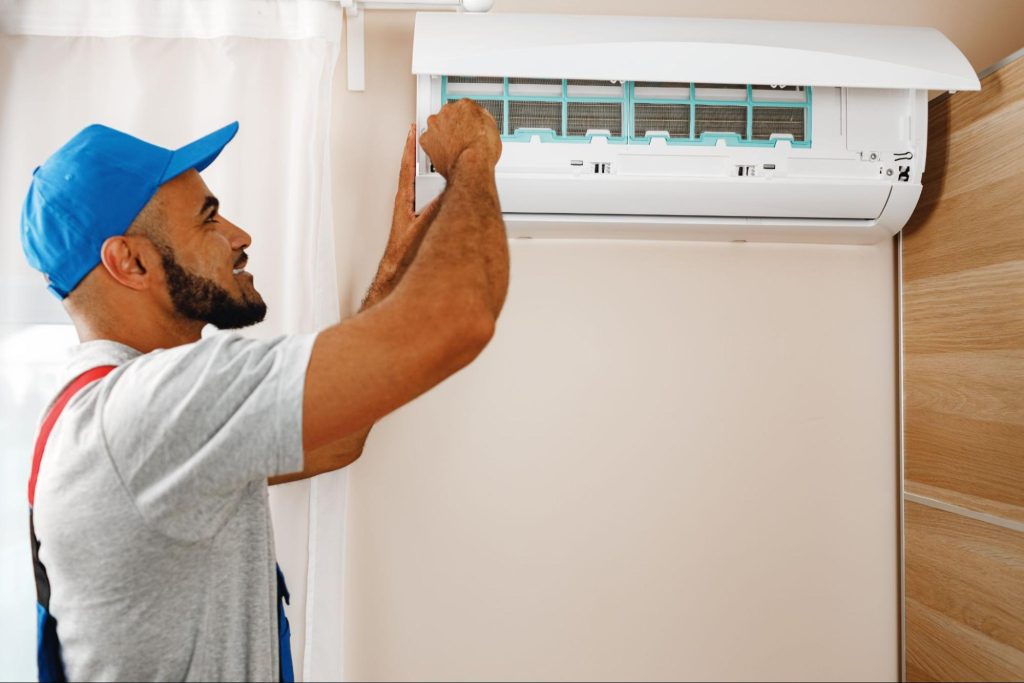
Central air conditioners commonly operate for approximately 15 to 20 years under favorable conditions. Actual service life varies depending on maintenance, climate, installation quality, and operating demands. Older equipment may require increasingly expensive repairs as major components begin wearing out. Replacing a failed compressor can be hard to justify as the system approaches retirement. A relatively inexpensive repair may still make sense when other components remain reliable. Comparing repair costs with replacement estimates helps homeowners avoid spending excessively on aging equipment.
Rising Energy Bills and Poor Performance
An inefficient air conditioner may consume more electricity while delivering less consistent cooling. Dirty components, refrigerant issues, and worn mechanical parts can reduce performance. Some homeowners notice longer cooling cycles or uneven temperatures between different rooms. However, changing weather or electricity rates can also increase utility bills. A professional inspection can determine whether maintenance or repairs might restore acceptable efficiency. When performance problems persist despite proper servicing, replacement may offer better long-term operating value.
Frequent Breakdowns and Repair Delays
Repeated cooling failures create expenses beyond the cost of individual replacement parts. Homeowners may face emergency service charges and uncomfortable indoor conditions during extended breakdowns. Older systems may also require discontinued components that are hard to find. Waiting for specialized replacement parts may prolong repairs during periods of heavy cooling demand. A newer system can reduce uncertainty when existing equipment repeatedly fails despite professional maintenance. Reviewing recent repair invoices provides useful evidence when deciding whether another repair remains worthwhile.
The Hidden Cost of Mismatched AC Components
Replacing only part of an air conditioning system may seem affordable. However, older indoor components may not work properly with newer outdoor equipment. Compatibility issues can increase energy use, reduce cooling performance, and create unexpected repair costs. Understanding these risks helps homeowners determine when a complete system replacement offers better value.
Why Indoor and Outdoor Units Must Match
Central air conditioning systems rely on indoor and outdoor components working together efficiently. The outdoor condenser must match the indoor evaporator coil and other connected equipment. Incompatible components can affect refrigerant flow, cooling capacity, and overall system performance. Newer equipment may also require specifications that older indoor components cannot meet. Contractors should verify manufacturer compatibility requirements before recommending a partial system replacement. Choosing properly matched components helps homeowners avoid performance problems and unnecessary installation expenses.
How Component Mismatches Affect Efficiency
An air conditioner may not deliver its advertised efficiency when components don’t match. Manufacturers set efficiency ratings based on specific indoor-outdoor equipment combinations. Mixing incompatible components can reduce cooling performance and increase electricity consumption during regular operation. The system may also struggle to maintain comfortable temperatures under demanding conditions. These problems can gradually offset the savings homeowners expected from replacing fewer components. Checking certified equipment combinations helps buyers understand the efficiency they can reasonably expect.
When Partial Replacement Costs More
In some situations, replacing only the outdoor unit can reduce immediate installation costs. However, keeping aging indoor components may increase the likelihood of later repairs. Homeowners could face another installation charge if the existing evaporator coil fails unexpectedly. Separate replacement projects may also involve repeated labor costs and refrigerant handling expenses. Partial replacement can still make financial sense when existing components remain compatible and reliable. Comparing complete and partial replacement estimates helps homeowners identify the more economical long-term option.
How Home Conditions Affect AC Replacement Costs
A home’s condition can affect cooling expenses before new equipment even starts operating. Poor insulation, uncontrolled air leaks, and restricted airflow can increase the system’s workload. These problems may also affect the cooling capacity contractors recommend during replacement. Addressing underlying conditions can help homeowners avoid unnecessary equipment expenses and improve long-term efficiency.
How Air Leaks Increase Cooling Expenses
Air leaks allow conditioned indoor air to escape while warmer outdoor air enters. Common problem areas include attic openings, window frames, exterior doors, and utility penetrations. These gaps increase cooling demand and make it harder to maintain comfortable indoor temperatures. An HVAC contractor may recommend greater cooling capacity when significant air leakage affects the home’s load; sealing accessible leaks before selecting equipment can reduce cooling requirements in some homes. Lower cooling demand may support smaller equipment and reduce electricity expenses over time.
Why Return Airflow Affects System Performance
An air conditioner needs adequate return airflow to circulate and cool indoor air effectively. Blocked return vents, undersized ducts, and restrictive filters can interfere with proper circulation. Insufficient airflow may reduce cooling performance and contribute to frozen evaporator coils. These conditions can also strain equipment and increase maintenance costs. Installing a larger air conditioner will not automatically correct an existing airflow restriction. Evaluating return airflow before replacement helps homeowners identify necessary improvements and avoid preventable performance problems.
When Home Improvements Reduce AC Costs
Certain home improvements can lower cooling demand before homeowners invest in replacement equipment. Adding insulation, sealing air leaks, and reducing excessive solar heat gain may improve indoor comfort. These changes can also affect the cooling capacity needed for efficient operation. However, homeowners should not assume every improvement justifies buying a smaller air conditioner. HVAC contractors must evaluate the updated building conditions through an appropriate cooling load calculation. Coordinating home improvements with equipment selection can reduce unnecessary spending and support better long-term performance.
Prepare for AC Unit Replacement Before a Breakdown
Waiting until your air conditioner fails can leave you facing urgent repairs and limited replacement options. Planning early gives you time to compare estimates, assess equipment needs, and avoid unnecessary expenses. A professional HVAC assessment can catch developing problems before they cause costly disruptions. Schedule an AC unit replacement consultation while you can still control your budget and timing.
Smart cooling decisions start with the right information. Explore the BeeCool 24/7 HVAC blog for expert advice on AC maintenance, energy efficiency, and getting the most from your cooling system.